A home doesn’t need a dramatic makeover to feel better. Sometimes the biggest difference comes from fixing the things you’ve been quietly putting up with for months. The door that never closes properly. The damaged patch on the hallway wall. The room that always feels too dark.
These details may seem small, but homes are experienced through hundreds of little interactions every day. When those interactions become easier, the entire property can feel more comfortable.
Good home improvement is rarely about chasing perfection. It’s about making sensible changes that improve how a space works, looks, and holds up over time. And, frankly, that can be more satisfying than an expensive renovation that looks great in photos but doesn’t solve much.
Start With the Problems You Notice Most
Walk through your home slowly and pay attention to what annoys you.
Maybe a cabinet sticks. Perhaps the bathroom floor feels slightly loose underfoot. A bedroom door might scrape against the frame. You may have learned to work around these things without even thinking about them.
Those little habits are useful clues.
Professional residential services can cover everything from basic repairs and maintenance to larger improvement projects. But before calling anyone, make a simple list of what actually needs attention. Prioritize problems that affect safety, water resistance, security, or everyday function.
Cosmetic improvements can come later.
Walls Take a Lot of Abuse
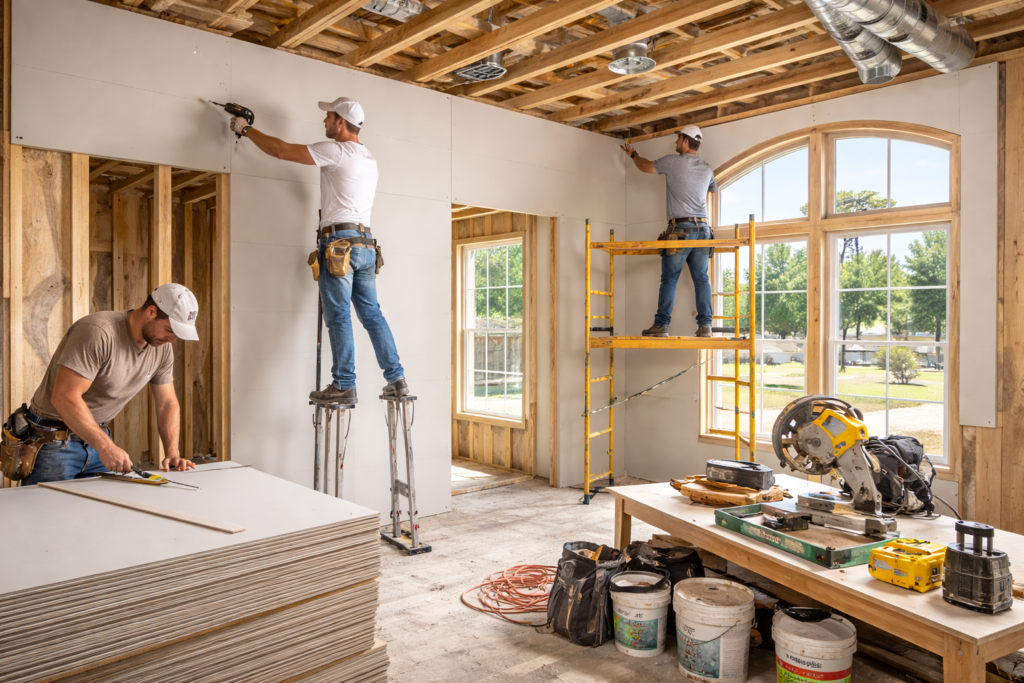
Drywall is one of those materials you don’t appreciate until something damages it. Moving furniture, installing shelves, removing wall anchors, or simply living in a busy household can leave dents and holes behind.
Small imperfections aren’t a crisis, of course. But damaged walls can make a room look unfinished, particularly when you’re preparing to sell or simply trying to make your home feel more cared for.
A professional drywall repair can involve filling holes, replacing damaged sections, sanding, priming, and matching the surrounding texture. That last part is important. A repair can be technically solid and still stand out if the texture doesn’t blend properly.
If the damage came from water, though, don’t stop at the drywall. Find and address the moisture source first.
Doors Affect More Than Appearance
A door is something you interact with constantly, yet it often gets overlooked when planning improvements.
A poorly fitted door can stick, swing open unexpectedly, let in drafts, or fail to latch securely. Exterior doors have an even bigger job because they contribute to security, weather protection, and energy efficiency.
When replacing a door, measurements need to be accurate. The opening should be checked for squareness, the frame should be properly supported, and hinges and hardware need to be installed correctly.
Good door installation isn’t simply about hanging a slab in an opening. Alignment, clearance, weatherstripping, locks, and finishing all affect how the finished door performs.
You’ll notice the difference every time you open it.
Don’t Underestimate Lighting
Lighting can completely change the mood of a room without changing its size.
A dim hallway can feel narrow. A kitchen with poor task lighting can be frustrating to work in. A bedroom may feel more comfortable with warm, layered lighting rather than a single bright fixture overhead.
Think about how each space is actually used.
Task lighting works well over counters and desks. Ambient lighting provides general illumination. Accent lighting can highlight artwork, architectural details, or shelving.
And if you’re updating fixtures, consider energy-efficient options. Good lighting should make the home easier to use, not just prettier.
Flooring Deserves Attention
Flooring receives constant punishment, particularly in entryways, kitchens, hallways, and living rooms.
Scratches and minor marks are normal. But loose tiles, lifted boards, soft areas, or persistent squeaking may point to something that needs attention.
Water is particularly important. If flooring has started warping near a bathroom, kitchen appliance, or exterior door, don’t simply replace the visible section without checking what caused the damage.
A localized repair may be enough if the underlying problem is addressed early. Leave it too long, and moisture can spread into subflooring or nearby materials.
Kitchens Are Full of Improvement Opportunities
You don’t necessarily need a full kitchen renovation to make the room work better.
Changing cabinet hardware, improving lighting, adding storage organizers, repairing damaged countertops, or replacing a worn faucet can make everyday tasks easier.
Storage is often the biggest issue. If countertops are constantly covered with appliances and cooking equipment, look for unused wall or cabinet space before assuming you need a larger kitchen.
Sometimes better organization solves what appears to be a space problem.
Bathrooms Need a Little More Attention
Bathrooms combine plumbing, electricity, moisture, and frequent use, so small problems shouldn’t be ignored.
Check around toilets, sinks, tubs, showers, and supply connections. Look for stains, loose fixtures, soft flooring, peeling paint, or persistent damp smells.
Ventilation matters as well. A bathroom fan that doesn’t remove moisture effectively can contribute to mold growth and deteriorating finishes.
When upgrading a bathroom, think beyond appearance. Proper ventilation, water-resistant materials, safe electrical fixtures, and reliable plumbing are more important than choosing the trendiest tile.
Exterior Improvements Count, Too
It’s easy to focus entirely on the inside of a home and forget the exterior.
Walk around the property occasionally. Check siding, trim, steps, railings, fences, gutters, windows, and exterior doors.
Look for loose components, peeling finishes, damaged wood, clogged gutters, or areas where water collects against the foundation.
Exterior maintenance protects the parts of the home you can’t easily see. A little attention to drainage and weatherproofing can prevent expensive interior damage later.
Know When to Call a Professional
There are plenty of jobs homeowners can tackle themselves. Painting a room or replacing simple hardware can be rewarding.
But some projects are better left to trained professionals.
Electrical work, significant plumbing repairs, structural modifications, roofing problems, and major moisture damage can carry real safety risks. Incorrect work may also create problems that aren’t immediately visible.
A professional assessment doesn’t always mean a major project. Sometimes you’ll discover that the repair is actually quite simple. The value is knowing what you’re dealing with before you start.
Plan Improvements Around Your Life
The best renovation isn’t necessarily the one that impresses visitors. It’s the one that makes your daily routine easier.
If you cook frequently, prioritize kitchen function. If you work from home, improve lighting, outlets, sound control, and storage in your workspace. If mobility is becoming a concern, think about safer flooring, better lighting, handrails, and easier door operation.
Your home should fit your life rather than forcing your life to fit the house.
That may sound obvious, but it’s easy to lose sight of when renovation decisions are driven entirely by trends.
Make Changes That You’ll Appreciate Later
Home improvement doesn’t have to happen all at once.
Start with the repairs that affect safety and function. Then move toward improvements that add comfort or efficiency. Cosmetic changes can follow when the budget and timing make sense.
A properly fitted door, a cleanly repaired wall, better lighting, or a safer bathroom may not produce the dramatic before-and-after moment seen in renovation shows. But you’ll appreciate those improvements every day.
And that’s really what a good home upgrade should accomplish.
Not just a prettier house, but a home that works a little better, feels a little more comfortable, and gives you fewer things to worry about when you walk through the door.