Water can look completely clean and still create problems throughout a home. If you have noticed cloudy shower doors, stiff laundry, dry skin, or a chalky ring around your faucets, hard water may be the reason. It is a common issue in many areas, and while it is not usually considered a major health concern, it can affect cleaning, plumbing, appliances, and the overall comfort of daily life.
The good news is that hard water is manageable. Understanding what causes it and how treatment equipment works makes it easier to choose a solution that fits your household. For many homeowners, a properly selected softening system can reduce mineral-related problems and make routine chores a little less frustrating.
What Exactly Is Hard Water?
Hard water contains dissolved minerals, mainly calcium and magnesium. As groundwater moves through soil and rock, it naturally picks up these minerals before entering a private well or municipal water supply. The amount varies by location, which is why some homes experience severe scaling while others barely notice it.
Hard water is not always obvious when you fill a glass. It may have no unusual color or smell. The clues often appear later, after the water has been heated or mixed with soap. Mineral deposits can accumulate on fixtures, inside pipes, and in appliances that use hot water.
Although hardness is generally more of a household maintenance issue than a direct health threat, it can still affect the way water feels and performs. Soap may not lather easily, dishes may show spots, and showers can leave skin feeling tight. Over time, these small inconveniences add up.
The Everyday Effects of Hard Water
One of the most visible signs of hard water buildup is the white or gray scale that forms around faucets, showerheads, and glass doors. This residue develops when water evaporates and leaves behind calcium and magnesium deposits. Once it becomes established, removing it can take considerable effort.
Hard water can also affect water heaters and other appliances. When minerals settle on heating elements or collect inside tanks, the equipment may need to work harder to transfer heat. In some cases, this can reduce efficiency and shorten the lifespan of the appliance.
Laundry is another area where hard water makes itself known. Minerals can interfere with detergents, preventing them from working as effectively. Clothes may feel rough, look dull, or develop a stale smell even after washing. Hair can also feel coated, and skin may become dry, especially during colder months.
Not every household experiences all of these problems, but recurring scale and cleaning difficulties are worth investigating rather than simply accepting as normal.
How Water Softener Systems Address Hardness
The most common solution is one of the many water softener systems available for residential use. These systems are designed specifically to reduce calcium and magnesium, the minerals responsible for most hard-water problems.
Traditional softeners use a resin tank filled with small beads that carry a negative electrical charge. As hard water passes through the tank, the resin attracts positively charged calcium and magnesium ions. The minerals remain in the tank while softened water continues into the home.
Over time, the resin becomes loaded with hardness minerals and must be regenerated. During regeneration, a concentrated salt solution or potassium chloride solution is passed through the resin. This process removes the collected minerals and restores the resin’s ability to soften water. The system then rinses itself before returning to normal operation.
The basic process is straightforward, but system design matters. A softener should be sized according to water hardness and household consumption. An undersized unit may regenerate too often, while an oversized system may cost more than necessary.
Understanding the Ion-Exchange Process
The science behind most conventional softeners is called ion exchange. While the term may sound technical, the concept is fairly simple: certain ions in the water are exchanged for other ions held by the treatment material.
In a standard softener, calcium and magnesium are exchanged for sodium or potassium. The hardness minerals are responsible for scale, so removing them changes how the water behaves. Softened water usually allows soap to lather more easily and reduces mineral deposits on fixtures and appliances.
It is important to understand that ion exchange does not remove every possible contaminant. A softener is not the same as a drinking-water purifier, carbon filter, or reverse osmosis system. Its primary purpose is hardness reduction.
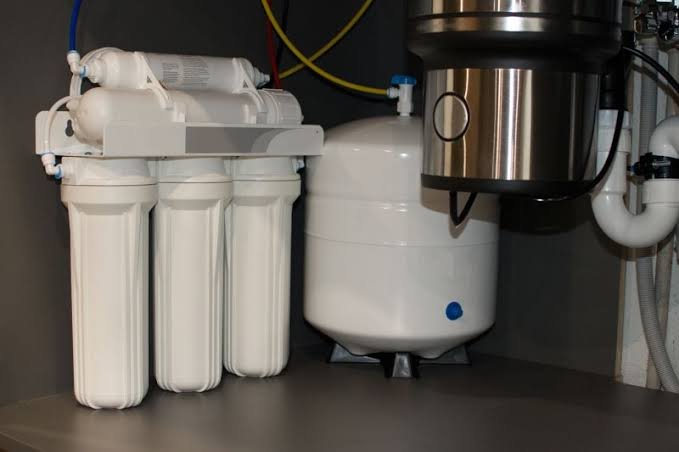
Homeowners who need broader water treatment may combine a softener with other equipment. For example, a sediment filter can help reduce suspended particles, while a carbon filter may improve chlorine taste and odor. Each component should have a clear purpose rather than being added simply because more equipment seems better.
Salt-Based and Alternative Conditioning Options
Salt-based softeners remain widely used because ion exchange is a well-established method for reducing hardness. However, they require regular salt replenishment and produce wastewater during regeneration. Some homeowners prefer systems that reduce salt handling or use less water.
Salt-free conditioners are often marketed as alternatives. These systems typically do not remove calcium and magnesium. Instead, they may alter the behavior of minerals to reduce their tendency to form certain types of scale. Their results can vary depending on water chemistry, temperature, flow, and the technology used.
That distinction matters. If your goal is to reduce actual hardness, a salt-free conditioner may not perform the same function as a conventional softener. If your concern is mainly scale control and you want to avoid salt, it may still be worth investigating.
Ask for clear information about what the equipment does and does not remove. A reputable provider should explain the difference without making exaggerated claims.
Choosing the Right System for Your Home
Before purchasing a softener, start with a water hardness test. Knowing the hardness level helps determine the treatment capacity required. If the home uses well water, testing for iron and manganese may also be useful because these substances can affect system performance.
Household size and water usage are equally important. A family of five will generally use more water than a single occupant, and a home with multiple bathrooms may need a higher-capacity system. Available installation space, drainage access, electrical requirements, and plumbing configuration should also be considered.
Look for systems with demand-initiated regeneration when possible. These units monitor water usage and regenerate based on actual demand rather than following a fixed timer. This can help reduce unnecessary salt and water consumption.
Maintenance should be part of the conversation from the beginning. Ask how often salt must be added, whether filters need replacement, how frequently the system should be serviced, and what happens if a component fails.
Is Softened Water Right for Everyone?
Softened water can make household cleaning easier, but it is not automatically necessary in every home. If water hardness is low, the cost and maintenance of a softener may not provide much practical benefit.
People following sodium-restricted diets may also want to discuss the system with a healthcare professional, particularly if softened water is used for drinking and cooking. Some households choose to install a separate drinking-water tap that bypasses the softener or uses additional filtration.
The important point is to consider the needs of the entire household. A treatment decision should account for water quality, plumbing, appliances, personal preferences, and ongoing maintenance.
A Practical Investment in Home Comfort
Hard water is a natural part of many water supplies, but homeowners do not have to live with its most irritating effects. Once you understand the signs of mineral hardness, it becomes easier to identify whether treatment is necessary and which approach makes sense.
A properly sized water softener can reduce scale, improve soap performance, protect appliances, and make everyday cleaning less demanding. The best results come from testing the water first, choosing equipment based on actual conditions, and maintaining it consistently.
In the end, water treatment is not about buying the most advanced system on the market. It is about finding a dependable solution that fits your home and quietly does its job, day after day.