Water is one of those things we rarely think about until something goes wrong. A strange smell from the tap, white buildup around the showerhead, or dry-feeling skin after a bath can make us wonder what’s actually flowing through the plumbing. While a glass of drinking water gets most of the attention, the water used for bathing, washing clothes, cooking, and cleaning matters, too. That’s where whole-home water treatment systems can make a meaningful difference.
Rather than treating water at just one faucet, these systems are designed to address water quality as it enters the home. Depending on the setup, they may reduce sediment, chlorine, minerals, or other unwanted substances. The right solution depends on the water source and the specific concerns a household is trying to solve.
Water Quality Is About More Than Drinking
When people hear “water quality,” they often think about whether water is safe to drink. That’s certainly important, but household water affects much more than what goes into a glass.
Consider a normal morning. You wash your face, take a shower, brush your teeth, and make coffee. Later, you run a load of laundry and wash dishes. Every one of those activities involves water, and its characteristics can influence the experience.
Hard water, for example, contains elevated levels of minerals such as calcium and magnesium. These minerals aren’t generally considered a health concern at typical household levels, but they can create scale on fixtures and appliances. Over time, that buildup may affect water flow, cleaning performance, and maintenance needs.
A well-designed treatment approach can help improve water quality throughout your entire home, making water more consistent for everyday uses instead of focusing on a single point of consumption.
Understanding What a Whole-Home System Can Do
Not every water treatment system performs the same job. Some are designed to filter particles, while others target specific chemicals or address hardness. Understanding these differences is essential before choosing equipment.
A sediment filter can capture materials such as sand, dirt, and rust particles. This may be particularly useful for homes with older plumbing or water supplies that carry visible sediment. Carbon filtration, meanwhile, is often used to reduce certain chemicals and improve taste and odor.
Water softeners work differently. They are designed to reduce hardness minerals, helping limit scale formation in plumbing fixtures, water heaters, and appliances. A softener is not the same as a filter, and it should not be treated as a universal solution for every water concern.
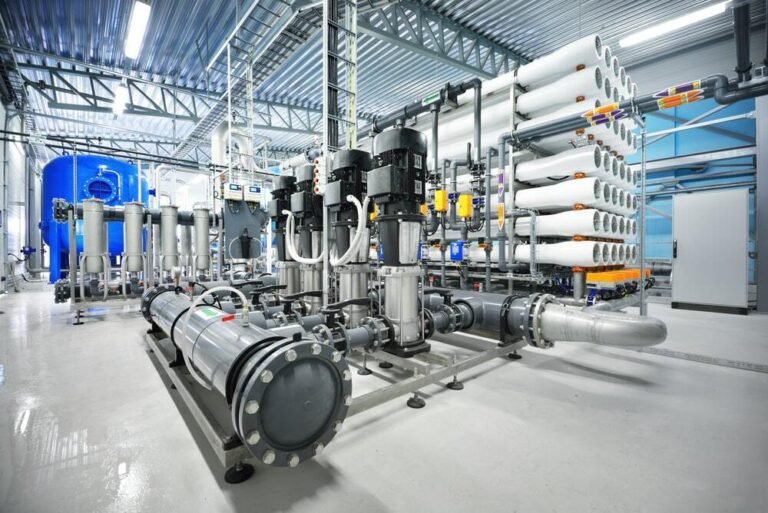
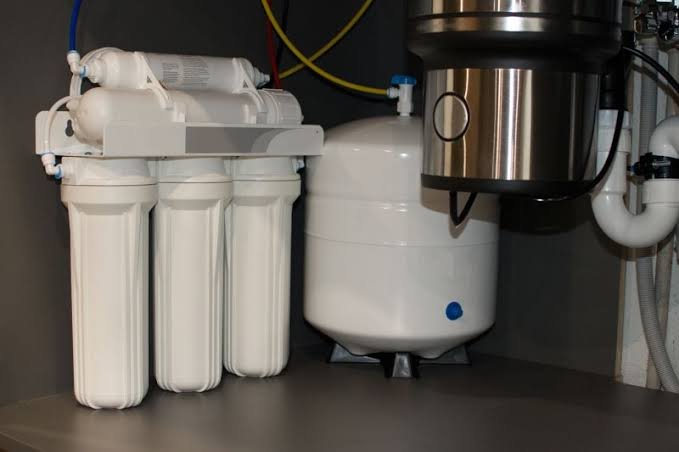
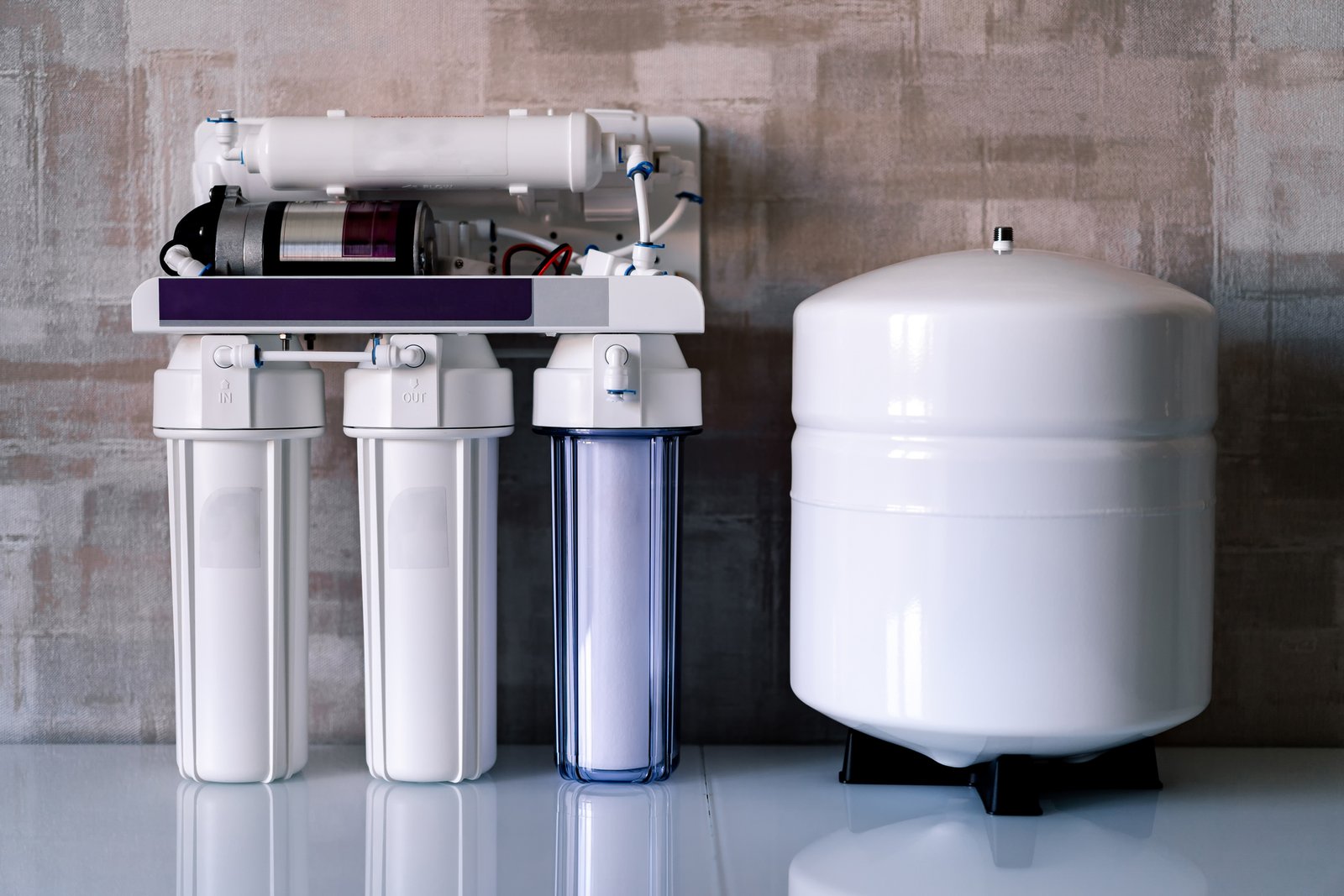
Some households may also benefit from specialized treatment, such as reverse osmosis for drinking water or systems designed to address particular contaminants identified through testing. The key is matching the technology to the actual problem.
The Everyday Benefits Can Be Surprisingly Practical
The benefits of treated water aren’t always dramatic or immediately visible. Sometimes, they show up in small household details.
Soap and shampoo may rinse differently when water hardness is reduced. Glassware might come out of the dishwasher with fewer mineral spots. Faucets and shower doors may require less frequent scrubbing when scale buildup is controlled.
Laundry is another area where water quality can matter. Hard water can interfere with how soaps and detergents work, potentially leaving fabrics feeling less soft or looking dull over time. Treatment may help improve washing performance, although results depend on the water chemistry, detergent, and appliance settings.
There’s also the comfort factor. Some people notice that untreated water leaves their skin feeling tight or their hair feeling less manageable. These experiences vary from person to person, and water treatment isn’t a replacement for medical care or proper skin care. Still, changing the water quality can be one practical step worth exploring.
Don’t Ignore Chlorine Taste and Odor
Municipal water supplies are commonly disinfected to help control harmful microorganisms. Chlorine plays an important role in that process, but some people dislike the taste or smell it can leave behind.
If your water has a noticeable chlorine taste and odor, carbon filtration may be worth considering. Activated carbon can reduce chlorine and certain other compounds that affect the sensory quality of water. The effectiveness depends on the filter design, contact time, water flow, and maintenance.
It’s important to remember that a change in taste or smell doesn’t automatically mean water is unsafe. Likewise, water that tastes clean isn’t necessarily free from every contaminant. Taste is only one part of water quality, not a complete safety test.
Start With Water Testing, Not Guesswork
One of the most common mistakes homeowners make is buying treatment equipment before understanding what their water actually contains. A neighbor’s solution may not be the right fit for your home, even if the homes are nearby.
Water quality can vary depending on whether the property uses municipal water or a private well. Plumbing age, local geology, seasonal changes, and water source conditions can also influence what’s present.
A basic water test may provide information about hardness, pH, iron, manganese, chlorine, and other characteristics. Depending on the location and concerns involved, more specialized testing may be appropriate.
The results help determine whether filtration, softening, disinfection, or another approach makes sense. They can also prevent unnecessary spending on equipment that doesn’t address the real issue.
Maintenance Is Part of the Solution
Even a high-quality treatment system needs attention. Filters have replacement schedules, softeners may require salt or other supplies, and some equipment needs periodic inspection or sanitization.
Ignoring maintenance can reduce performance and, in certain systems, create additional water-quality concerns. Homeowners should understand how often components need servicing and whether replacement parts are readily available.
It’s also wise to ask about water pressure, installation space, drainage requirements, and ongoing operating costs. A system that looks affordable at first may require more maintenance than expected. A reliable installer should explain those details clearly rather than making promises that sound too good to be true.
Choosing a System That Fits Your Home
The best water treatment setup is not necessarily the largest or most expensive one. It’s the one that addresses the household’s needs without adding unnecessary complexity.
Start by identifying the main concern. Is it hard water? Sediment? A chemical taste? A specific contaminant? Once that’s clear, compare technologies based on performance, certification where applicable, maintenance, warranty coverage, and total cost of ownership.
Be cautious of vague claims that a system can remove “everything.” No single treatment method handles every contaminant, and performance claims should be supported by credible testing or certification.
A thoughtful decision may take a little more time, but it usually leads to a system that is easier to manage and more useful in the long run.
A Better Approach to Everyday Water
Water treatment isn’t about chasing perfection. It’s about understanding what comes into your home and making practical improvements where they matter most. For some households, that may mean reducing scale. For others, it may involve improving taste, filtering sediment, or addressing a documented water-quality concern.
With proper testing, suitable equipment, and regular maintenance, homeowners can create a more comfortable and manageable water environment. And that’s really the point: not just cleaner-looking fixtures or better-tasting water, but a home where everyday water works the way you expect it to.