Most people don’t think about water until it starts behaving strangely.
A glass might have an unusual taste. The shower may leave white spots everywhere. A sink could develop orange stains, or the water pressure might suddenly feel weaker than it did last month. These things can be irritating, but they can also be useful clues.
Water quality isn’t identical from one property to another. Your source, plumbing, local geology, household usage, and existing equipment can all play a part. That’s why choosing a treatment system simply because a neighbor has one isn’t always the best idea.
The smarter approach is to understand the water first, then choose treatment around what you actually need.
Start With Testing, Not Guesswork
A clear glass of water doesn’t necessarily tell you everything you need to know.
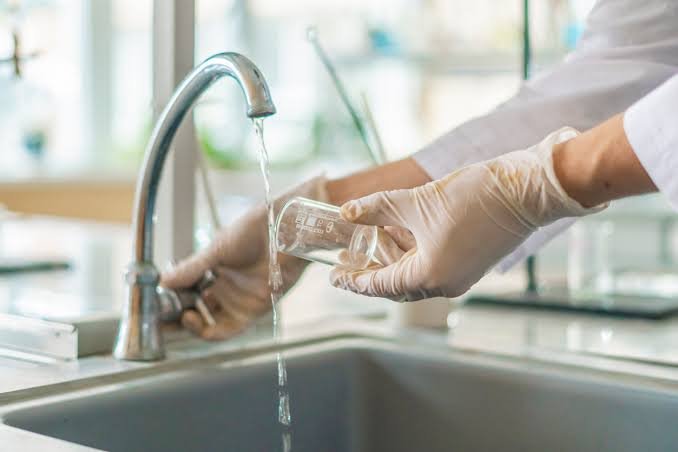
Some characteristics are visible, such as sediment or discoloration. Others, including dissolved minerals and certain chemical properties, aren’t visible at all. A proper water test can help identify hardness, pH, dissolved solids, iron, and other factors that may affect treatment decisions.
Testing also creates a useful baseline. If the water changes later, you’ll have something to compare with rather than relying on memory.
This first step can save money, too. There isn’t much value in installing equipment designed to solve a problem that isn’t actually present.
Well Water Has Its Own Challenges
Private wells can provide a dependable source of water, but they also require attention. Underground water passes through soil and rock, picking up naturally occurring minerals along the way. Conditions around the property can also influence water quality.
For homeowners relying on wells, well water treatment should be based on current testing and the specific characteristics of the supply.
Common concerns can include hardness, iron, manganese, sediment, and sulfur-related odors. Each issue may require a different treatment approach, so assuming one filter will solve everything can lead to disappointing results.
Periodic testing is particularly useful for well owners because water conditions aren’t necessarily fixed forever.
Hard Water Doesn’t Always Announce Itself
Hard water tends to create problems gradually.
At first, you might notice spots on glasses or deposits around faucets. Then shower doors become harder to clean. Soap doesn’t rinse quite the same way, and appliances may begin accumulating scale internally.
Calcium and magnesium are the primary minerals associated with water hardness. When levels are high enough to create problems, softening can be one possible solution.
But choosing a softener requires more than knowing that the water is hard. The system should be matched to water hardness and household demand. A system that can’t keep up will struggle, while an unnecessarily large unit may cost more without providing a useful advantage.
Filtration Should Have a Purpose
“Filtration” sounds like one simple category, but it really isn’t.
A sediment filter is designed to capture physical particles. Carbon filtration can address certain tastes and odors. Other filtration technologies are designed for specific water-quality concerns.
The important question is: what are you trying to remove?
Once that is clear, selecting equipment becomes much easier. Instead of buying a system because it has several stages and an impressive specification sheet, you can focus on whether those stages are relevant to your water.
Sometimes simple is better.
Look Beyond the Main Treatment System
Water treatment doesn’t always stop with a filter or softener.
Depending on the property, homeowners may also need equipment or services related to pressure, plumbing connections, drinking-water filtration, replacement components, or water-quality testing.
That’s where additional services can be useful. A provider that can inspect existing equipment, troubleshoot performance issues, replace worn components, and provide follow-up testing may offer more practical value than one focused only on installation.
The goal isn’t to add services just for the sake of it. It’s about having support when something changes or when the treatment system needs attention.
Drinking Water Is a Different Conversation
The water used to fill a drinking glass doesn’t necessarily need the same treatment as every other gallon in the house.
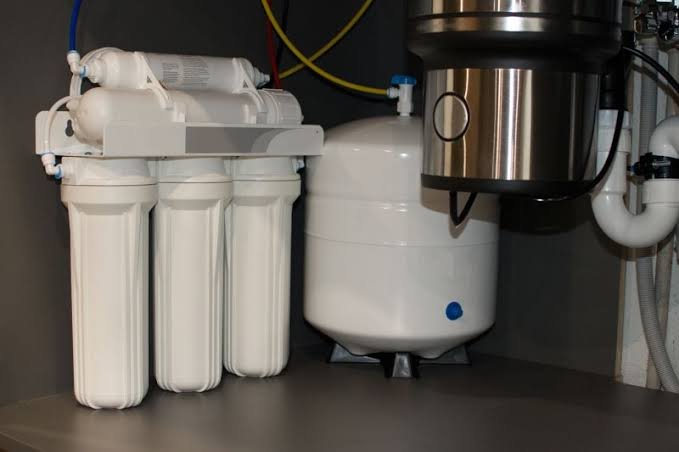
If your main concern involves taste, odor, or a specific dissolved substance, a point-of-use system may be enough. Reverse osmosis is another option sometimes used when testing indicates that reducing certain dissolved substances is appropriate.
Treating only drinking and cooking water can be practical when the concern is limited to those uses.
Still, every system comes with responsibilities. Filters need changing, membranes eventually require replacement, and equipment should be inspected according to the manufacturer’s requirements.
Commercial Water Needs More Planning
Businesses often have very different water demands from homes.
A restaurant may use water for cooking, beverages, dishwashing, cleaning, and ice production. Hotels can have substantial demand throughout the day. Manufacturing facilities may require water with specific characteristics for equipment or production processes.
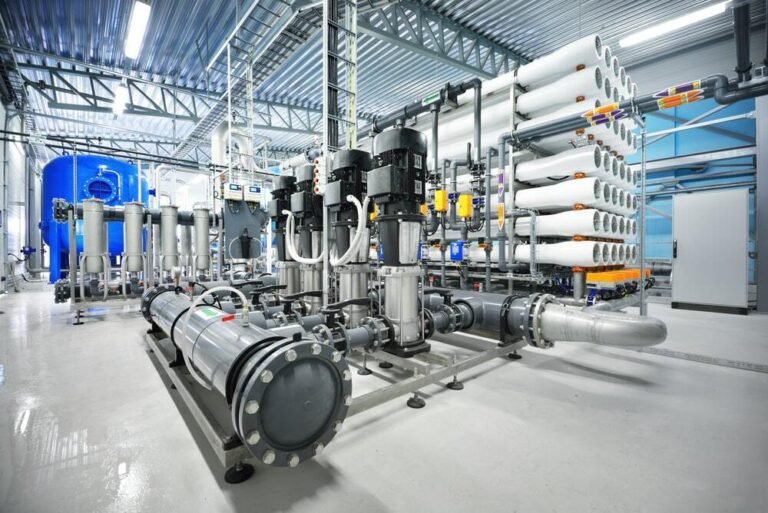
In these environments, commercial water services may involve more than simply installing a filter. System capacity, flow rates, water chemistry, operating schedules, maintenance requirements, and future demand all deserve consideration.
A system that performs well in a small home can be completely unsuitable for a busy commercial property.
Good planning starts by understanding how the water is actually being used.
Don’t Ignore Pressure Changes
Water pressure can provide an early warning when something isn’t right.
A clogged filter is one possible cause of reduced pressure, but it isn’t the only one. Plumbing restrictions, partially closed valves, leaks, and equipment problems can also affect flow.
Before replacing a treatment system, identify the cause.
This is especially important when pressure changes gradually. A small restriction may not seem serious at first, but it can become increasingly noticeable and may place additional strain on equipment.
Installation Can Make or Break Performance
Even high-quality equipment needs to be installed properly.
Connections have to be correct. Flow direction matters. Pressure requirements need to be considered. Drainage, electrical components, bypass valves, and access for future maintenance all play a role.
Installation should also leave enough room for servicing. A filter that requires someone to squeeze behind a water heater every few months isn’t exactly a thoughtful design.
A qualified installer can help make sure the system is configured correctly and show the property owner how basic controls work.
Maintenance Is Where Good Systems Stay Good
Water treatment equipment doesn’t maintain itself.
Filters become loaded. Softener components require checks. Reverse osmosis systems have parts with specific replacement intervals. Valves and fittings can eventually wear.
Routine service helps catch problems before they become expensive failures.
Keep a simple record of filter changes and service appointments. Pay attention to changes in taste, odor, pressure, or appearance. If something feels different, don’t simply assume the system will sort itself out.
Usually, early attention is easier and cheaper.
Think About Total Cost
The purchase price is only the beginning.
Consider replacement filters, salt, electricity, servicing, repairs, and expected component life. For commercial properties, add potential downtime and the effect of water quality on equipment and operations.
A cheaper system isn’t necessarily cheaper to own.
Likewise, the most expensive system isn’t automatically the best. The sweet spot is equipment that matches the water, handles the property’s demand, and can be maintained without unnecessary hassle.
Better Water Starts With Better Decisions
Water treatment works best when it is approached as a practical problem rather than a sales pitch.
Test the water. Understand what’s causing the issue. Choose technology for a specific reason. Make sure the equipment is installed properly, and keep up with maintenance afterward.
For well owners, that approach can make changing water conditions easier to manage. For households, it can reduce scale, improve everyday water quality, and protect appliances. For businesses, the right system can support operations and help avoid unnecessary equipment problems.
You don’t need to treat every possible problem. You don’t need the biggest system on the market.
You need the right solution for the water in front of you.
And once that solution is properly selected and cared for, good water treatment becomes almost invisible — which, in many ways, is exactly how it should be.