Good drinking water is easy to take for granted. Most days, you turn on the kitchen faucet, fill a glass, and get on with whatever comes next. But when water starts tasting strange, leaves spots on dishes, or makes you wonder what you’re actually drinking, that simple routine suddenly feels a little less simple.
That’s usually when people start looking into filtration.
The good news is that today’s treatment options can be quite effective when they’re matched to the right water-quality problem. The not-so-good news? There are a lot of products and a lot of promises out there. It can be difficult to know which features matter and which ones are mostly marketing.
A sensible place to begin is with your water itself. Test it, understand it, then choose the technology that makes sense.
Technology Is Useful When It Solves a Real Problem
Water treatment has come a long way. Modern systems can combine different filtration methods, monitoring features, improved membranes, and more efficient designs.
Some companies describe this progress as best-in-class technological innovation, and while marketing language should always be viewed with a little common sense, there really have been meaningful improvements in residential water treatment.
Better materials can improve filtration performance. More compact components can make installation easier. Monitoring systems can help homeowners keep track of maintenance. In some cases, newer equipment can also operate more efficiently than older designs.
But technology shouldn’t be the starting point.
A sophisticated system isn’t automatically the right system. If your water only needs basic sediment or taste-and-odor filtration, installing a complicated setup may add expense without providing much additional benefit.
Start With a Water Test
Before choosing equipment, find out what you’re actually dealing with.
Water can contain naturally occurring minerals, sediment, disinfectants, and other substances. Private well water can have characteristics that differ considerably from municipal supplies. Even water from the same public system can taste different once it passes through older household plumbing.
Testing helps separate assumptions from facts.
A water test may identify hardness, pH, dissolved solids, iron, manganese, or other characteristics that influence treatment decisions. If a specific contaminant is suspected, more targeted laboratory testing may be appropriate.
This information is valuable because treatment technologies are designed for particular jobs.
You wouldn’t use a vacuum cleaner to mop a floor. Water treatment works on much the same principle.
Understanding Reverse Osmosis
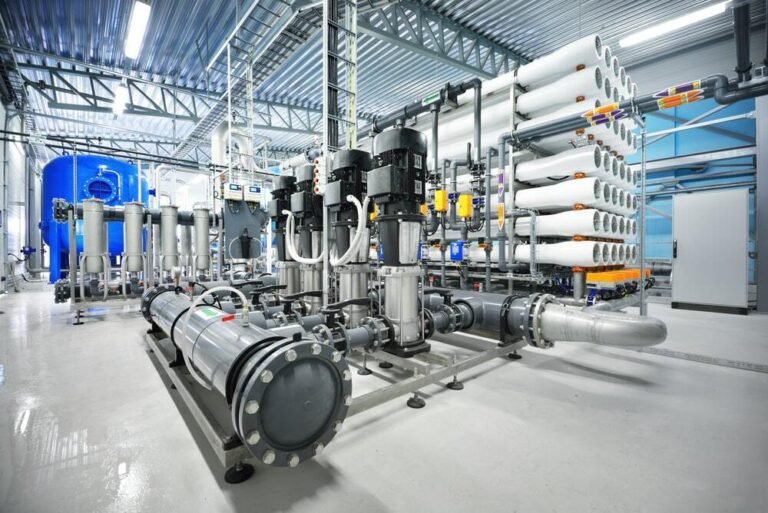
Reverse osmosis is one of the more comprehensive treatment methods commonly used for drinking water. The process pushes water through a semipermeable membrane under pressure, reducing many dissolved substances from the treated water.
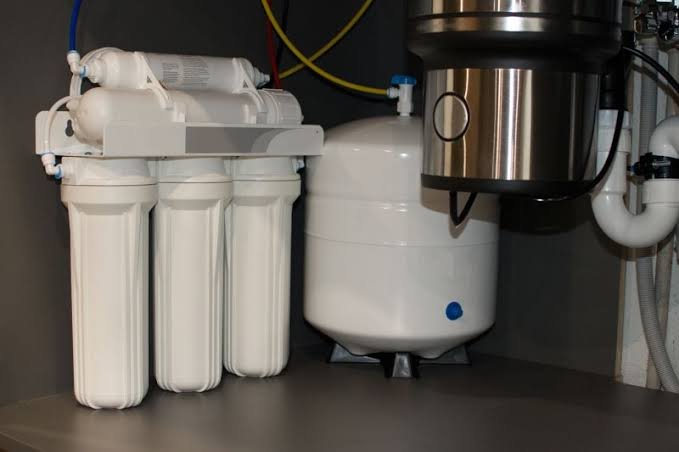
Reverse osmosis water filters are often installed beneath kitchen sinks and paired with a dedicated drinking-water faucet. They’re popular because they can provide an additional level of treatment for households concerned about certain dissolved substances.
The membrane is the key component, but a complete system may also include pre-filters and post-filters. These stages can protect the membrane, improve taste, and polish the treated water before it reaches the faucet.
Like any technology, reverse osmosis has trade-offs. Filters and membranes need regular replacement, and the system’s performance depends on water pressure, incoming water quality, and proper maintenance.
It can be an excellent option, but only when it fits the household’s actual needs.
Taste Is Part of the Experience
Water quality isn’t only something measured in a laboratory. You experience it every time you take a sip.
A strong chlorine taste can make water unpleasant. Certain minerals may give water a metallic or earthy flavor. Even when the water is safe, an unusual taste may encourage people to drink less of it.
That matters.
People are more likely to keep a glass or reusable bottle nearby when they genuinely enjoy the water. Better-tasting water can also improve coffee, tea, soups, and other foods where water is a major ingredient.
Still, taste shouldn’t be confused with safety. Water that tastes wonderful isn’t necessarily free of every contaminant, and unpleasant-tasting water isn’t automatically dangerous.
Testing remains the smarter way to evaluate quality.
Clear Water Isn’t Always Enough
Visual appearance can be reassuring, but it doesn’t tell the whole story.
Particles and sediment may make water visibly cloudy, while many dissolved substances remain completely invisible. Some contaminants don’t affect taste or odor either.
That’s why filtration should be based on identified water conditions rather than appearance alone.
If testing shows that sediment is the issue, a sediment filter may be appropriate. If taste and odor are the concern, carbon filtration may help. If dissolved substances need to be reduced, a different technology may be necessary.
There’s no universal cartridge that handles every water-quality concern equally well.
Consider Where You Need Treatment
Not every home needs whole-house drinking-water treatment.
If your main concern is the water used for drinking and cooking, point-of-use treatment can be an efficient choice. It focuses the treatment where it matters most and can reduce the amount of specialized equipment needed elsewhere.
On the other hand, if you have hardness, iron staining, sediment, or other problems throughout the plumbing, whole-house treatment may be worth considering.
Think about the problem in practical terms.
Is the kitchen faucet the issue? Are shower doors covered with mineral deposits? Does laundry show staining? Do multiple faucets have the same odor?
Those details can help determine whether you need targeted treatment or something broader.
Good Filtration Can Reduce Dependence on Bottled Water
Bottled water has its place, particularly for travel and emergencies. But relying on it every day can become expensive and inconvenient.
Cases take up storage space. Bottles have to be transported home. Empty containers pile up surprisingly quickly.
A properly designed drinking-water system can provide an alternative by treating water directly in the home.
For many households, the appeal isn’t simply saving money. It’s convenience. There’s no need to remember whether the refrigerator is stocked with enough bottles. You just turn on the faucet.
That small change can make a difference in daily routines.
Maintenance Still Matters
Even advanced filtration technology needs regular attention.
Filters become loaded with the substances they’re designed to reduce. Reverse osmosis membranes eventually need replacement. Connections, housings, tanks, and other components should be checked according to the system’s maintenance requirements.
Ignoring maintenance can gradually reduce performance.
It’s worth keeping a simple record of installation and filter-change dates. If your system has a monitoring feature, use it. If something about the water suddenly changes, don’t assume the equipment will correct itself.
A little maintenance is far easier than troubleshooting a neglected system later.
Don’t Choose Based on Features Alone
Digital displays, multiple stages, automatic functions, and advanced controls can all sound impressive. Some are genuinely useful. Others may not make much difference in your particular home.
Ask what each feature actually does.
Does it solve a water-quality problem? Does it make maintenance easier? Does it improve reliability? Will you realistically use it?
These questions help keep the focus on value rather than novelty.
The best system isn’t necessarily the one with the longest feature list. It’s the one that does the right job consistently.
Installation Is Part of Performance
Even excellent equipment can disappoint if it’s poorly installed.
Water pressure, plumbing configuration, drain connections, available cabinet space, and flow requirements all need to be considered. A professional installer can also make sure filtration stages are arranged appropriately and that future maintenance is practical.
That last point is easy to overlook.
If a filter housing is buried behind pipes or a storage tank is awkwardly positioned, routine maintenance becomes a chore. Good installation should make ownership easier, not harder.
The Real Goal Is Simple
At the end of all this technology and testing, the goal is surprisingly ordinary: clear, clean drinking water that you feel comfortable using every day.
Getting there doesn’t require buying every treatment technology available. It requires understanding the water, identifying the actual concern, and selecting equipment that addresses it.
Start with testing. Consider your household’s water usage. Look at installation and maintenance, not just the initial price. And be skeptical of any product that claims to solve every possible water problem with one magic filter.
When the right system is installed and cared for properly, water treatment fades into the background. You fill your glass, brew your coffee, cook dinner, and move on.
Honestly, that’s how it should be. Good water treatment doesn’t need to demand attention. It just needs to quietly make everyday water better.