There are few things more ordinary than filling a glass from the kitchen tap. We do it without thinking, often several times a day. But when the water tastes different, leaves a strange smell behind, or simply doesn’t feel as appealing as it should, that little routine can suddenly become a question: Is there a better way to handle the water we drink?
For many households, the answer isn’t about finding some magical purification method. It’s about understanding the water first and then choosing a treatment system that fits the home’s actual needs. A family with hard water has different priorities from one concerned about a specific contaminant. Someone who mainly wants better taste may need a much simpler solution than someone looking for more comprehensive purification.
The good news is that modern water treatment offers plenty of choices. The challenge is knowing which ones are worth considering.
Start With What You Know
Before shopping for equipment, learn something about your water.
Municipal water is treated before it reaches homes, but its characteristics can still vary depending on the source, local infrastructure, and plumbing inside the property. Private wells can have an even wider range of conditions, from mineral content and hardness to sediment and naturally occurring substances.
A water test can provide useful information. Depending on the situation, testing may examine hardness, pH, iron, manganese, chlorine, total dissolved solids, and specific contaminants.
This may sound like an unnecessary extra step when you simply want better-tasting water. It isn’t. Testing can prevent you from buying equipment that solves the wrong problem.
Think About How the Water Will Be Used
Not every gallon of household water needs the same level of treatment.
Water used for laundry, showers, cleaning, and toilets has different requirements from water used for drinking and cooking. That’s one reason point-of-use treatment can be attractive. Instead of treating the entire household supply, you can focus purification where it matters most.
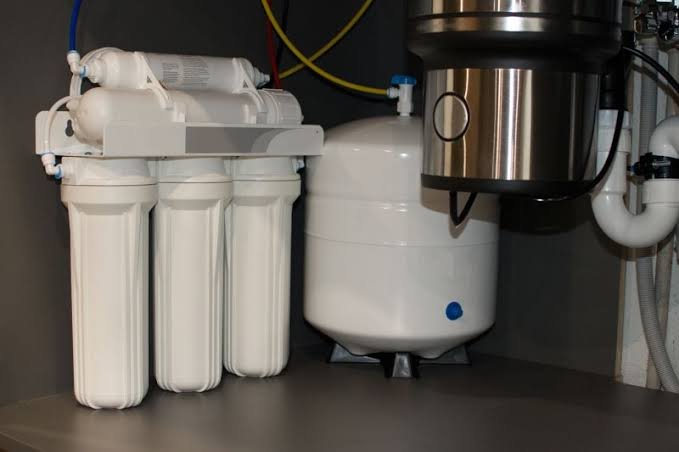
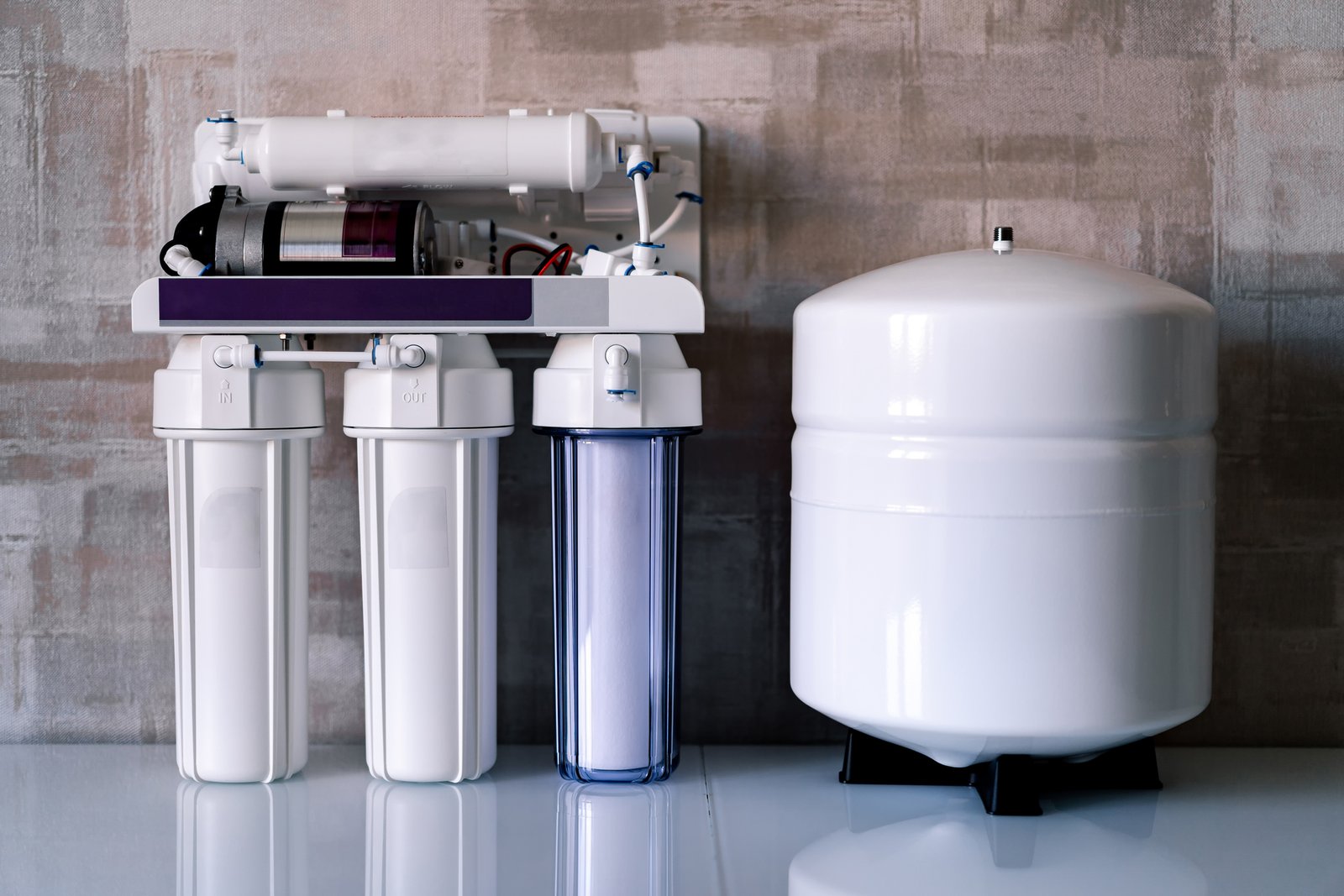
Modern drinking water systems range from simple filtration units to more advanced multi-stage purification equipment. Some are installed beneath the kitchen sink, while others connect directly to a dedicated faucet.
The best choice depends on water quality, household size, available space, maintenance preferences, and what you want the system to accomplish.
A small household that drinks mostly tap water may have very different needs from a large family that fills several reusable bottles every day.
Reverse Osmosis Has a Specific Role
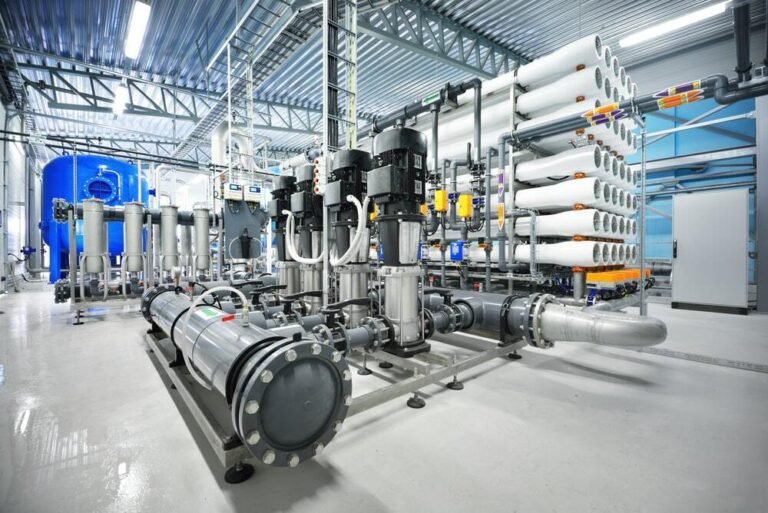
Reverse osmosis is one of the better-known technologies in residential drinking-water treatment. It works by pushing water under pressure through a semipermeable membrane that can reduce many dissolved substances.
The appeal of reverse osmosis technology is its ability to address a broad range of dissolved contaminants when the system is properly designed and maintained. Many RO systems also use additional sediment and carbon filters before and after the membrane.
That doesn’t mean reverse osmosis is automatically the right choice for everyone.
RO systems can require regular filter and membrane replacement. They also produce wastewater as part of the purification process, although system efficiency varies between models. Storage tanks may be used, and installation requires suitable plumbing and space.
For some households, those trade-offs are completely worthwhile. For others, a simpler filtration method may be more practical.
Taste Matters More Than People Admit
Water quality isn’t purely a scientific conversation.
If water smells strongly of chlorine or has a metallic, earthy, or otherwise unpleasant taste, people may simply drink less of it. That can be particularly frustrating when the water is technically acceptable but unappealing.
Carbon filtration is commonly used to improve taste and odor by reducing certain compounds that affect how water smells or tastes. For many homes, this can make a noticeable difference without requiring a complicated purification setup.
Once people enjoy the taste, they’re often more willing to keep a reusable bottle nearby and refill it throughout the day. It’s a small behavioral change, but sometimes convenience is exactly what makes a healthy habit stick.
Hard Water Is Another Piece of the Puzzle
Hard water contains elevated amounts of minerals such as calcium and magnesium. It isn’t usually considered a health emergency, but it can cause plenty of household frustration.
Scale may build up around faucets, showerheads, coffee machines, dishwashers, and water heaters. Soap may not lather as easily, and glassware can develop cloudy spots.
A water softener may help when hardness is significant. But it’s important to remember that softening and drinking-water purification are different jobs.
If your main concern is scale, a softener may be useful. If you’re concerned about a specific dissolved contaminant, another treatment technology may be more appropriate. Sometimes a household uses both.
Filtered Water Still Needs Attention
Installing a system doesn’t mean the work is finished.
Even good filtered water depends on equipment that is properly maintained. Filters eventually reach their capacity. Membranes need replacement. Housings may need inspection and cleaning. Neglecting these tasks can reduce system performance over time.
Fortunately, maintenance doesn’t have to be complicated.
Keep track of installation dates and filter changes. Set reminders on your phone if necessary. Follow the manufacturer’s replacement recommendations rather than waiting until the water tastes strange again.
For systems serving a large household, professional maintenance may be worthwhile. A technician can check connections, flow rates, pressure, and components that aren’t always obvious to the homeowner.
Don’t Believe Every Filtration Claim
The water-treatment market has plenty of impressive-sounding claims.
Some products promise to remove almost everything. Others use vague phrases such as “advanced purification” without explaining exactly what the system is designed to reduce.
Look for measurable information instead.
If you’re concerned about a particular contaminant, check whether the system has been independently tested or certified for reducing that substance. Review performance data and understand the conditions under which those results were achieved.
This doesn’t mean becoming suspicious of every product. It simply means making decisions based on evidence instead of clever packaging.
Efficiency Should Be Part of the Decision
Cost isn’t limited to the purchase price.
Think about replacement filters, electricity, installation, servicing, and water consumption. Reverse osmosis systems, for instance, can send some water to the drain during purification. More efficient designs may reduce that waste.
Consider your household’s actual drinking-water habits, too. A system that requires frequent replacement of expensive cartridges might not be the best fit for a large family.
Sometimes the cheapest system isn’t the most economical one. And the most sophisticated system isn’t necessarily the best value either.
The Right System Should Fit Your Routine
The best drinking-water setup is one you can live with comfortably.
If filters are difficult to replace, you’ll probably postpone them. If the faucet is awkward to use, people may stop using it. If the system takes up too much cabinet space, frustration grows.
Practical details matter.
Think about where the system will be installed, who will maintain it, how much water your household consumes, and whether replacement parts are easy to obtain. These aren’t glamorous questions, but they’re the ones that matter after the salesperson has gone home.
Better Water Starts With Better Decisions
There is no universal answer to the question of what makes the perfect drinking-water system.
For one home, simple carbon filtration may be enough. Another may benefit from reverse osmosis. A household dealing with significant hardness might need whole-home treatment combined with a dedicated drinking-water system.
The common thread is understanding the water before choosing the technology.
Test when appropriate. Know what you want to improve. Compare treatment methods honestly. Keep the equipment maintained, and don’t let marketing claims make the decision for you.
Water is something we depend on every day, so getting it right is worth a little thought. Once you have a treatment approach that matches your home’s needs, clean, pleasant drinking water can become ordinary again—which, in this case, is exactly what you want.