Buying a water treatment system is often treated as the finish line. You choose the equipment, pay for it, and expect better water to follow. In reality, that’s only the beginning. The way a system is installed — and what happens after the installer leaves — can have a surprisingly big impact on performance.
A treatment system has to work with your home’s plumbing, water pressure, drainage, electrical setup, and daily water usage. If those details are overlooked, even good equipment may not perform as expected. And that’s frustrating, especially after you’ve already invested money in solving a problem.
The smarter approach is to think about installation as part of the entire water-treatment journey, not as a separate task.
Start With the Water, Not the Equipment
Before anyone recommends equipment, they should understand your water.
Hardness, pH, sediment, chlorine, iron, odors, and dissolved minerals can all influence what type of treatment makes sense. A softener, for example, is designed mainly to address hardness. It isn’t a universal answer for every water-quality concern.
Testing provides a useful starting point. It helps identify the actual issue instead of relying on assumptions based on what the water looks or tastes like.
This matters because two homes can have very different water conditions, even when they’re only a few streets apart. A system that works beautifully for one household might be unnecessary or poorly suited to another.
Installation Is More Than Connecting Pipes
At first glance, installing treatment equipment may seem straightforward. Connect the inlet, connect the outlet, arrange drainage, plug the unit in, and you’re done.
Except it’s rarely that simple.
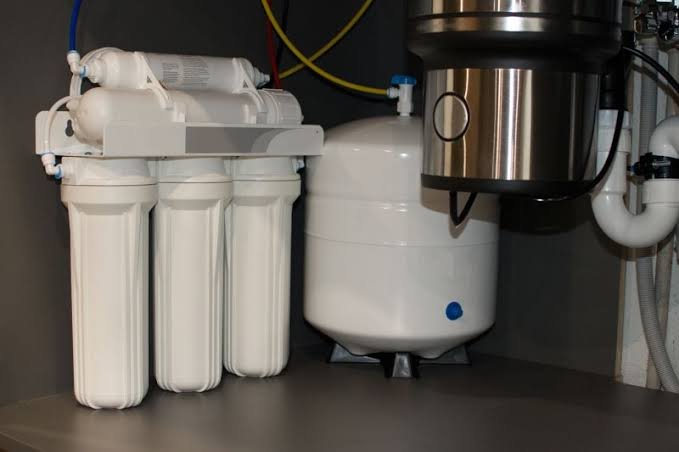
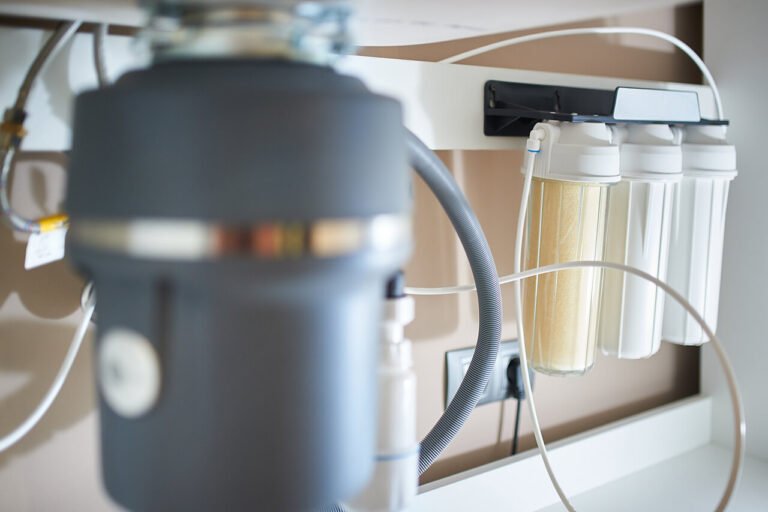
Installers need to consider water flow, pressure, pipe size, drainage, shutoff valves, available space, and accessibility for future servicing. A system also needs to be positioned somewhere practical. You don’t want equipment blocking a walkway or tucked into a corner where nobody can reach it when maintenance is needed.
A careful water treatment system installation takes all of these details into account before the equipment is put into place.
Small installation decisions can have long-term consequences. A poorly positioned unit may make filter changes difficult. An incorrect connection could cause leaks or reduce performance. Good installation is usually quiet work — when it’s done properly, you barely notice it.
Correct Sizing Makes a Difference
One of the most overlooked parts of installation is choosing the right system size.
Water treatment equipment needs to match the household. A small family with modest water consumption doesn’t necessarily need the same capacity as a busy household with several bathrooms and frequent laundry loads.
Sizing can also depend on water hardness and the specific technology being used. For softeners, for instance, capacity and regeneration settings influence how efficiently the system operates.
Oversizing isn’t always better. An unnecessarily large system may cost more to purchase and operate. Undersizing can lead to frequent regeneration, reduced performance, or greater wear.
The goal is simple: enough capacity to handle normal demand without paying for more than you need.
Think About Drainage and Water Pressure
These aren’t particularly exciting topics, but they matter.
Many treatment systems need a drain connection for regeneration or flushing. If drainage isn’t properly planned, installation can become inconvenient or, worse, create operational problems.
Water pressure is another consideration. Treatment equipment adds components to the plumbing system, and certain systems require adequate pressure to work correctly.
A professional installer should check these conditions before finalizing the setup. If adjustments are necessary, it’s much easier to address them during installation than after the equipment is already operating.
What Happens After Installation?
This is where the second half of the story begins.
Water treatment equipment isn’t completely maintenance-free. Filters need replacing. Salt-based softeners need replenishment. Connections should occasionally be checked. Settings may need adjustment as household water use changes.
That’s why installation & maintenance should really be viewed as two sides of the same investment. A system can be perfectly installed and still lose effectiveness if routine care is ignored.
Maintenance doesn’t have to become a major chore, either. A simple schedule can make things manageable. Keep track of filter replacement dates, check consumables regularly, and pay attention to changes in water taste, pressure, or appearance.
If something seems different, don’t simply ignore it.
Know the Signs Your System Needs Attention
Water treatment equipment often gives you clues before a serious problem develops.
You might notice water becoming harder again, unusual odors returning, slower flow from a filtered faucet, or more scale appearing around fixtures. Sometimes the issue is as simple as a filter that has reached the end of its useful life.
Other times, equipment may need professional servicing.
The important thing is not to wait until a small issue turns into a major repair. Regular checks can help catch problems earlier and keep the system working closer to its intended performance.
Professional Care Can Protect Your Investment
There’s plenty homeowners can handle themselves. Checking salt levels, replacing accessible filters, and keeping the equipment area clean are reasonable routine tasks.
More complicated work is different.
A professional can inspect connections, valves, tanks, controls, and other components that may not be obvious to someone without technical experience. They can also identify whether performance issues are caused by the treatment system or by something else in the home’s plumbing.
For homeowners who want fewer surprises, professional water treatment installation & ongoing care can provide a more complete approach. Instead of treating installation and service as unrelated jobs, everything is considered as part of the system’s lifespan.
That continuity can be especially useful when equipment is under warranty or when replacement parts and service history need to be tracked.
Keep Your System Accessible
A surprisingly simple piece of advice: don’t hide the equipment.
Homeowners sometimes want treatment systems tucked away so they’re out of sight. That’s understandable, but accessibility matters.
Leave enough space around the equipment for inspections, filter changes, salt filling, and repairs. Keep the surrounding area reasonably dry and free from clutter.
If a technician can reach everything easily, maintenance is quicker. And if you can see the system yourself, you’re more likely to notice something unusual.
Good Installation Pays Off Quietly
The best water treatment installation usually isn’t dramatic. There’s no flashy moment when everything suddenly feels different.
Instead, the benefits show up gradually.
Fixtures may stay cleaner. Scale may become less noticeable. Filtered water may taste better. Appliances may experience less mineral buildup. And perhaps most importantly, you know that the system is set up correctly and being looked after.
Water treatment is an investment in something you use every day, often without thinking about it. That’s exactly why installation and ongoing care deserve attention.
Choose equipment based on actual water conditions, make sure it’s properly sized, have it installed with the home’s plumbing in mind, and keep up with routine maintenance. It’s not the most glamorous part of home improvement, admittedly.
But done well, it can make a real difference for years.