There’s a certain kind of household annoyance that starts small. A few white marks around the kitchen faucet. A shower door that never quite looks clean, no matter how much you wipe it. Maybe the coffee maker needs descaling more often than it used to. Then one day, you notice your skin feels dry after a shower, and you start wondering if the water has something to do with it.
It might.
Hard water is extremely common, and in many homes it becomes part of everyday life without anyone giving it much thought. It usually isn’t dangerous to drink, but the minerals dissolved in the water can affect plumbing, appliances, cleaning, and the general feel of water around the house. The good news is that hard water is one of those problems that can often be managed quite effectively once you understand what’s causing it.
What Actually Makes Water Hard?
Hardness is mainly caused by naturally occurring calcium and magnesium dissolved in water. As rainwater moves through soil and rock, it can pick up minerals along the way. Groundwater tends to have more hardness because it spends considerable time in contact with underground geological formations.
The amount varies widely from one location to another. Some households barely notice it. Others deal with mineral deposits almost everywhere water is used.
These hard water minerals can also affect how soap behaves. Instead of producing a rich lather easily, soap can react with calcium and magnesium and leave behind residue. That may explain why you sometimes feel like you need more soap, shampoo, or detergent just to get the same result.
It’s a small thing, perhaps, but small things add up over years.
The Signs Are Often Hiding in Plain Sight
Hard water doesn’t always announce itself. There’s no flashing warning light on the tap. Instead, you tend to notice a collection of little clues.
White or chalky deposits around faucets are common. Glassware may come out of the dishwasher looking cloudy. Shower fixtures can develop crusty mineral deposits. Laundry may feel less soft than expected, and soap scum can become stubborn.
Then there are appliances.
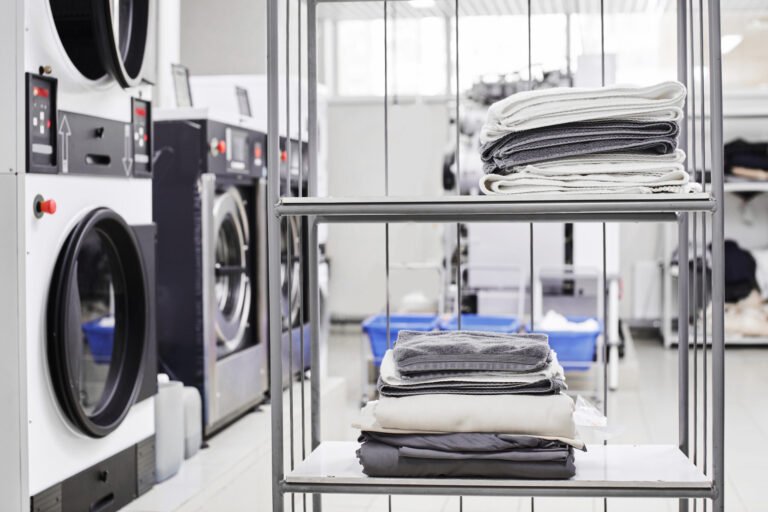
Water heaters, dishwashers, washing machines, coffee makers, and other equipment that repeatedly uses water can be affected by mineral deposits. The severity depends on the hardness level and how much water the equipment handles.
If several of these signs are happening at once, it may be worth testing the water rather than simply reaching for stronger cleaning products.
Why Scale Buildup Can Become Expensive
Minerals dissolved in cold water don’t always cause immediate trouble. The situation changes when water is heated or evaporates. Minerals can come out of solution and stick to surfaces, gradually creating scale buildup inside pipes, heating elements, fixtures, and appliances.
Think of the white crust you see around a faucet, but imagine that same material accumulating somewhere you can’t see.
In a water heater, for example, deposits can form around heating surfaces. That can interfere with heat transfer and potentially make the equipment work harder. Inside plumbing or small passages, deposits may restrict water flow.
None of this happens overnight. That’s part of the problem. A little buildup today, another layer next year, and suddenly an appliance isn’t performing the way it once did.
What a Water Softener Actually Does
A water softener is designed specifically to reduce hardness. Traditional ion-exchange softeners work by replacing calcium and magnesium ions with sodium or, in some systems, potassium ions.
The process happens inside a tank containing specialized resin. As hard water passes through, the resin attracts hardness minerals. Eventually, the resin becomes loaded and needs to be regenerated, typically using a salt-based solution.
Modern water softener systems come in different sizes and configurations, so choosing one isn’t simply a matter of picking the largest model available. Household water consumption, hardness level, peak flow, and available installation space all influence the right choice.
Oversizing can unnecessarily increase cost, while undersizing may mean the system struggles to keep up.
Is Softened Water Better for the Whole House?
For many households, the main advantage of softening is not necessarily the drinking water. It’s everything else.
Softer water can make soaps and detergents work more effectively, reduce mineral residue, and help limit deposits on fixtures and appliances. People often notice that showers feel different, glassware looks cleaner, and cleaning becomes slightly less of a battle.
There are also practical plumbing benefits. Reducing hardness before it enters water-using appliances can help minimize mineral deposition over time.
That said, softening isn’t the right answer for every water problem. A softener doesn’t remove every possible contaminant, and it isn’t a substitute for a general water-quality test.
Don’t Confuse Filtration With Softening
This distinction trips up plenty of homeowners.
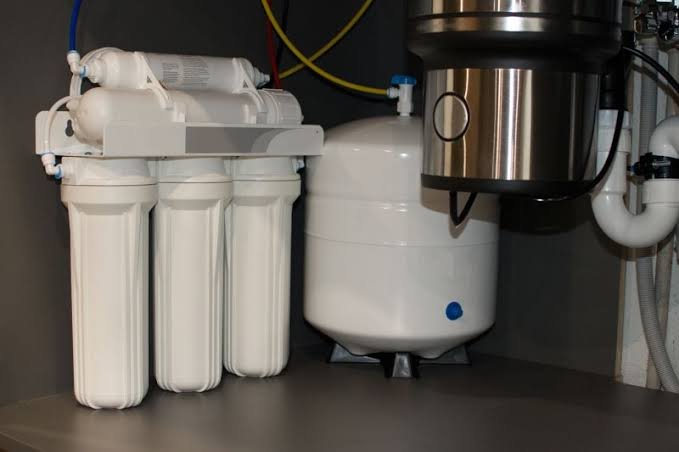
A water filter and a water softener perform different jobs. Filtration can target sediment, certain chemicals, taste, odor, and other contaminants depending on the technology used. Softening is primarily concerned with hardness minerals.
So, if you’re dealing with cloudy water caused by sediment, installing a softener may not solve it. Likewise, if hard water is leaving mineral deposits everywhere, a basic carbon filter may improve taste but won’t necessarily address the underlying hardness.
In some homes, both technologies make sense. The important thing is to understand what each system is designed to accomplish.
Testing Makes the Decision Easier
Before purchasing equipment, get the water tested.
A hardness test can tell you how much calcium and magnesium are present and give you a clearer idea of whether treatment is necessary. If the property uses well water, broader testing can be especially helpful because hardness may be only one part of the water-quality picture.
Testing also helps with system sizing. A professional can use the results along with household water consumption to determine the appropriate treatment capacity.
It’s a little like taking measurements before buying furniture. You can guess, but measuring first usually saves trouble later.
Maintenance Should Be Part of the Plan
Water treatment equipment needs attention. Salt-based softeners require regular salt replenishment, while the resin bed and control components may eventually need service. Other filtration equipment may have cartridges or media that need replacement.
The easiest way to avoid problems is to build maintenance into your routine. Keep an eye on salt levels, follow the manufacturer’s service recommendations, and don’t ignore changes in water quality or system performance.
A system that receives basic care can be far less troublesome than one that’s forgotten in a garage corner for years.
A Small Change Can Make a Noticeable Difference
Hard water isn’t usually an emergency. It’s more of a long-term nuisance—one that can quietly affect cleaning, fixtures, appliances, and plumbing.
Understanding the problem is the first step. Test the water, identify the hardness level, consider how much water your household uses, and then choose treatment based on those facts.
You may not notice the change dramatically on the first day. But over time, fewer mineral spots, easier cleaning, better-performing appliances, and less worry about deposits can add up.
Sometimes improving a home isn’t about a flashy renovation. Sometimes it’s simply making the water work a little better for the people who use it every day.