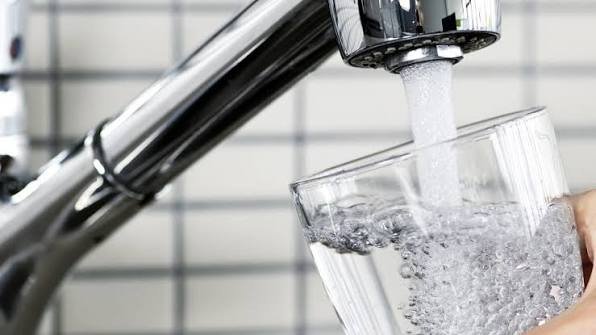
Water is easy to take for granted. You turn on the kitchen faucet, fill a glass, and get on with your morning. You don’t usually stop to wonder where the water came from, what it picked up along the way, or whether the faint taste you noticed yesterday means anything.
Then the white spots on the dishes start getting worse. The showerhead becomes crusty. Maybe there’s a rusty stain around the toilet, or the water suddenly smells a little strange. Those signs don’t necessarily mean you have a serious problem, but they’re worth investigating.
Good water treatment starts with understanding the water itself. Rather than buying equipment because it looks impressive or because someone online called it the “best,” homeowners can make better decisions by testing their supply, identifying the actual concern, and choosing treatment that fits.
Start With a Simple Water Check
The first step doesn’t have to be complicated.
A free water testing opportunity can be a useful starting point for homeowners who want to learn more about their supply before investing in treatment equipment. Depending on the provider and type of test, you may receive information about hardness, pH, iron, chlorine, sediment, or other water characteristics.
It’s important to understand the limits of any basic screening. Free or inexpensive tests aren’t necessarily a substitute for comprehensive laboratory testing, particularly when you’re concerned about health-related contaminants or private-well safety.
Still, an initial test can point you in the right direction. If the results show a clear hardness issue, for example, you can investigate softening. If sediment is a concern, filtration may be appropriate. The point is to make the next decision with more information than you had before.
Why Water Can Look Fine and Still Need Attention
One of the most misleading things about water is how normal it can look.
A glass of water may be perfectly clear while containing dissolved minerals or other substances that aren’t visible. On the flip side, slight cloudiness isn’t automatically a sign that the water is dangerous.
Taste and smell provide clues, but they’re not reliable testing methods. Chlorine may be noticeable by smell, while other substances can be present without any obvious sensory change.
This is why testing matters. It separates what you think is happening from what the water actually shows.
For private wells, regular testing becomes even more important because groundwater conditions can vary. Heavy rain, flooding, changes in the surrounding environment, or problems with the well itself can affect the supply.
Look at the Whole House
If the water problem affects more than one faucet, treating a single kitchen tap probably won’t solve it.
A whole-home water filtration system treats water as it enters the house, depending on the design and installation. This means treated water can be distributed to showers, bathroom sinks, laundry areas, and other fixtures.
That can be helpful when the concern involves sediment, chlorine taste and odor, or another issue that is suitable for whole-house filtration.
But whole-home filtration isn’t automatically the right choice for everyone. If your only concern is drinking-water taste, a point-of-use filter might be more practical. Treating every gallon of water requires additional equipment, maintenance, and expense, so there should be a clear reason for doing it.
Think about where the problem exists before deciding how broadly to treat the water.
Hard Water Has a Familiar Look
Hard water tends to leave evidence behind.
White scale around faucets. Cloudy glasses. Soap that doesn’t seem to rinse cleanly. Mineral buildup inside appliances. These are classic signs that calcium and magnesium are present at elevated levels.
Hard water isn’t usually a dramatic health concern, but it can make household cleaning more frustrating and contribute to scale buildup over time.
This is where softening can make a noticeable difference. Water softening systems are designed to reduce hardness minerals and can help protect plumbing fixtures and water-using appliances from scale.
Sizing is important. A system should be selected according to water hardness and household consumption. A small household with moderate hardness may need a very different setup from a large family using substantial amounts of water every day.
Not Every Filter Does the Same Job
The word “filter” can make water treatment sound simpler than it really is.
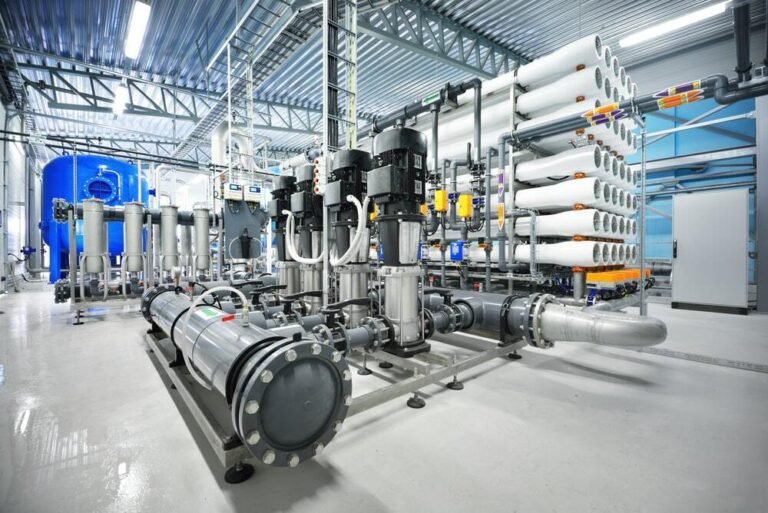
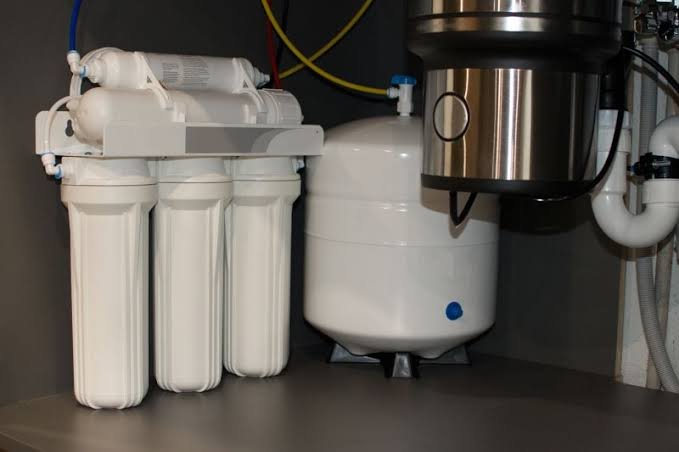
Sediment filters capture particles. Carbon filtration can help reduce certain chemicals, tastes, and odors. Reverse osmosis systems can reduce many dissolved substances. Specialized media can target concerns such as iron or sulfur under suitable water conditions.
Choosing the wrong technology can mean spending money without solving the original problem.
For instance, a standard sediment filter isn’t designed to remove every dissolved contaminant. A water softener is primarily intended to address hardness rather than act as a universal purifier.
Knowing what the equipment is designed to do is just as important as knowing its price.
Private Wells Need a Little More Attention
If your home depends on a private well, the water supply is ultimately your responsibility.
That doesn’t mean constantly worrying about it. It means paying attention to changes and maintaining the well and associated equipment properly.
A sudden change in taste, odor, color, or pressure deserves investigation. After flooding or other events that could affect the well, appropriate testing may be especially important.
The area around the well matters, too. Proper drainage and a secure wellhead can help reduce the chance of surface contaminants entering the water source.
And if treatment equipment is already installed, don’t assume the equipment is always the culprit when water quality changes. Sometimes the source has changed.
Installation Matters More Than It Seems
Even good equipment can perform poorly when installation isn’t handled correctly.
Water pressure, flow rate, pipe sizing, drainage, electrical requirements, and available space all influence how a system works. Filters should also be positioned so they can be replaced without turning maintenance into a weekend plumbing project.
Professional installation can help ensure that the treatment system is properly matched to the home’s water demand.
It’s a small detail people sometimes overlook because the equipment itself gets all the attention. But installation is where the theory meets real life.
Maintenance Is Part of the Package
Water treatment isn’t completely hands-off.
Filters collect sediment and other materials. Softener components need routine attention. Reverse osmosis membranes eventually require replacement. Different treatment media have different service schedules.
Keep a basic record of maintenance dates. If water pressure suddenly falls or an unpleasant taste returns, you’ll have a better idea of whether a filter or other component may be due for service.
Don’t wait for a complete system failure before doing something. Small performance changes are often easier to address.
Choose the Solution That Makes Sense
There is no single treatment system that belongs in every home.
Some properties need basic filtration. Others benefit from softening. Homes with private wells may require specialized treatment based on test results. Some households want additional drinking-water filtration at the kitchen sink.
The smartest approach is to test first, understand the source, identify the actual problem, and then choose equipment designed to address it.
Water treatment should make life easier, not more complicated. When the right system is installed and maintained properly, you may barely notice it — and that’s a good thing.
The water tastes better. Fixtures stay cleaner. Appliances don’t have to fight through unnecessary mineral buildup. Most importantly, you have a clearer understanding of what is coming through your taps.