Water has a funny way of becoming invisible in our daily routines. We use it to shower, wash dishes, make coffee, run the laundry, water plants and fill pots without giving much thought to what’s happening inside the pipes.
Then hard water starts making itself known.
Maybe there’s a white ring around the faucet. The shower door needs cleaning again, even though you cleaned it yesterday. Soap doesn’t seem to lather properly. Your water heater makes an occasional popping sound. None of these things necessarily happens overnight. Hard-water effects tend to creep in gradually, which is probably why they’re so easy to ignore.
A properly selected water softener can make a noticeable difference. But getting good results isn’t only about choosing equipment. It’s also about sizing, water usage, settings, and keeping the system maintained.
First, Understand What Hard Water Means
Hard water contains minerals, mainly calcium and magnesium. These minerals occur naturally in many water sources and aren’t automatically a reason for alarm.
The trouble is what they can leave behind.
As hard water moves through plumbing and appliances, minerals can form scale. Heated water can make the buildup particularly noticeable. Faucets, showerheads, water heaters, dishwashers, and other equipment may all be affected.
There are also everyday annoyances. Soap can react with hardness minerals, making it harder to rinse away. Glass surfaces may develop spots, and laundry can sometimes feel less fresh.
Water softening is designed to reduce these hardness minerals before they create so many problems.
Choosing the Right Softener
Not every home needs the same capacity or configuration.
Household size, water hardness, daily consumption and peak water demand all play a role in determining the appropriate equipment. A small household with moderate hardness may have very different requirements from a large family using several bathrooms throughout the day.
Some homeowners researching premium treatment options may come across a signature series water softener as part of a broader range of residential equipment. When comparing a particular model or series, the useful question isn’t simply whether it sounds impressive. Ask whether its capacity, regeneration method and operating requirements actually suit your household.
The best equipment is the equipment that matches the job.
Water Usage Matters More Than You Might Think
People often think of water consumption only in terms of utility bills. But your water use also affects how a softener operates.
Showers, laundry, dishwashing, cooking, cleaning and outdoor use all contribute to household demand. A system needs to account for those patterns so it can provide softened water when you need it.
Learning to monitor your water use can therefore be helpful when evaluating or adjusting a treatment system. You don’t need to become obsessed with every gallon. Even a rough understanding of how much water your household typically uses can help with proper system sizing and settings.
And if your household changes—say, a new family member moves in or several people start working from home—your water usage may change with it.
Regeneration Is Part of the Process
Most traditional ion-exchange softeners eventually need to regenerate their resin. During regeneration, the system restores the resin’s ability to exchange hardness minerals by flushing it with a regenerating solution, commonly a salt-based brine.
The frequency of regeneration depends on the system design and how much hardness the resin has removed.
Modern systems may use metered regeneration, meaning they respond to actual water consumption rather than following a simple fixed schedule. This can help avoid unnecessary regeneration when water use is low.
It also means that accurate settings matter. If the system isn’t programmed correctly for your household and water conditions, it may regenerate too often—or not often enough.
Why Correct Sizing Makes a Difference
Imagine installing a small water softener in a busy household with several bathrooms. It might perform well during quiet periods but struggle when everyone is getting ready in the morning.
On the other hand, an oversized system may cost more than necessary and use resources inefficiently.
Sizing should consider water hardness, household population, average consumption and peak demand. A professional water treatment provider can use these details to determine a more appropriate capacity.
This is one area where guessing isn’t particularly useful.
Salt Efficiency Deserves Attention
For salt-based softeners, salt consumption is an ongoing consideration.
A system that uses more salt than necessary can increase operating costs and require more frequent attention. Efficient regeneration settings can help, but the system needs to be configured correctly.
Salt efficiency isn’t only about saving money, either. Using only the amount necessary for the required treatment can reduce unnecessary resource use.
Ask how much salt a system is expected to use under typical household conditions. Don’t rely solely on a general claim of “high efficiency.” Actual performance depends on water hardness, usage patterns, settings and system capacity.
What About Maintenance?
Water softeners aren’t completely maintenance-free.
Salt levels need to be checked on salt-based systems. The brine tank may need cleaning from time to time. Settings should be reviewed if household water use changes, and components can eventually wear.
It’s also worth paying attention to changes in water quality. If water that was previously soft begins leaving scale again, something may need attention.
Sometimes the solution is as simple as checking salt or settings. Other times, resin, valves, or another component may require professional inspection.
Ignoring a small change for months rarely makes the eventual repair easier.
Softening Doesn’t Remove Everything
Another important point: softening isn’t the same as complete water purification.
A softener is primarily designed to reduce hardness minerals. It isn’t a universal solution for sediment, microorganisms, or every dissolved contaminant.
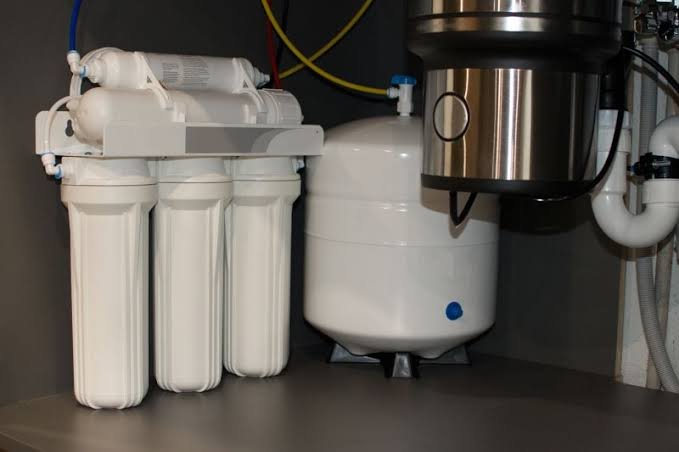
Depending on your water source and test results, you may need additional treatment. Carbon filtration, sediment filtration, reverse osmosis, ultraviolet disinfection, or specialized treatment can serve different purposes.
This is why water testing should come before equipment selection whenever possible.
Knowing the problem makes the solution much clearer.
Don’t Forget Household Habits
Equipment can do a lot, but simple habits still matter.
Fix dripping faucets. Repair leaking toilets. Don’t run half-empty washing machines when a full load is practical. Pay attention to appliances that use unusually large amounts of water.
These steps aren’t specifically about softening, but they help create a more efficient household water system overall.
And when you’re trying to understand why a softener is regenerating more frequently than expected, household water habits can provide part of the answer.
Think Long-Term Before You Buy
A water softener can remain in service for years, so the initial purchase shouldn’t be the only consideration.
Look at installation requirements, maintenance, replacement components, operating costs, warranty coverage and local service availability. Ask how the system handles changes in water usage and whether settings can be adjusted later.
Also consider who will service it. Having access to knowledgeable support can be much more valuable than saving a little money upfront.
A system isn’t a bargain if replacement parts are difficult to find or nobody nearby knows how to work on it.
The Goal Is Simpler Living
Water softening isn’t about making your home more complicated. Quite the opposite.
The point is to reduce the everyday effects of hard water so you spend less time fighting mineral buildup and more time simply using your home.
Start with a water test. Understand the hardness level. Consider how much water your household actually uses. Choose a properly sized system and keep its settings and maintenance under control.
When everything is working as it should, the signs are pleasantly boring. Fewer spots. Less scale. Easier cleaning. Better-performing fixtures.
That’s really the sweet spot: technology doing its job quietly in the background. You shouldn’t have to think about your water softener every day. You should just notice that the water—and perhaps the household chores around it—seems a little easier.