There’s something oddly personal about the water in your home. You notice its taste in your morning coffee, the smell when you fill a glass, and the way it feels during a shower. Most days, though, you don’t think about it. You turn the tap, fill the glass, and move on.
Then one day, the water tastes different.
Maybe there’s a faint mineral flavor. Perhaps a chlorine smell has become more noticeable. Or you’re simply wondering whether the water coming through your pipes is as suitable for drinking as you’d like it to be.
That uncertainty is often what leads homeowners to explore filtration and purification. And while the number of choices can be overwhelming, the basic idea is fairly simple: understand the water first, then choose treatment that makes sense for it.
Don’t Start With the Filter
It sounds strange, but buying a filter shouldn’t necessarily be your first move.
Different treatment technologies are designed for different purposes. Carbon filtration may help with certain taste and odor concerns. Water softeners address hardness. Reverse osmosis can reduce a broad range of dissolved substances. Other systems are designed for iron, sediment, microorganisms, or specific contaminants.
Without knowing what you’re trying to remove, it’s easy to spend money on equipment that doesn’t solve the actual problem.
A little investigation at the beginning can save you from a lot of frustration later.
Understand What Your Water Contains
Water can look perfectly clear while containing dissolved minerals and other substances you can’t see. Appearance alone isn’t a reliable way to judge quality.
This is where professional water analysis can be particularly useful. Depending on the source and concerns involved, an analysis may examine characteristics such as hardness, pH, iron, manganese, chlorine, and other water-quality factors.
For homeowners using private wells, testing can be especially valuable because groundwater conditions can vary over time. Even municipal water users may want testing when they notice a significant change in taste, odor, color, or other characteristics.
Think of testing as a starting map. You don’t need to know every technical detail yourself. You just need enough reliable information to choose the right direction.
Why Reverse Osmosis Gets So Much Attention
Reverse osmosis has become increasingly familiar in residential water treatment, particularly for drinking water.
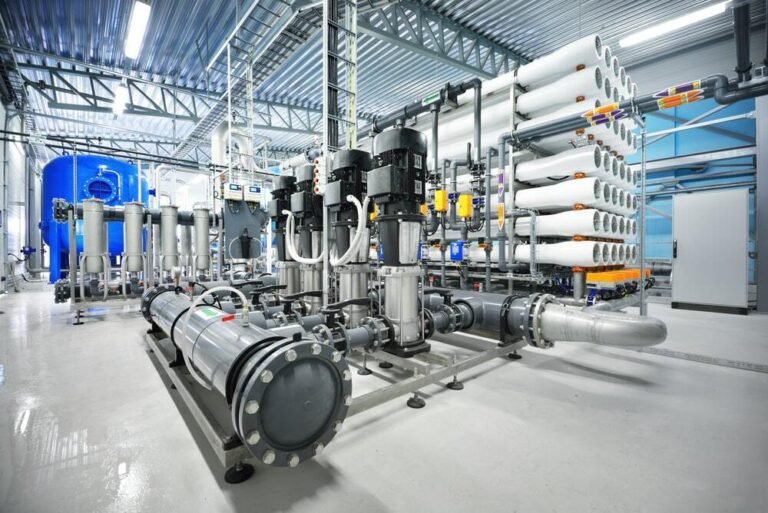
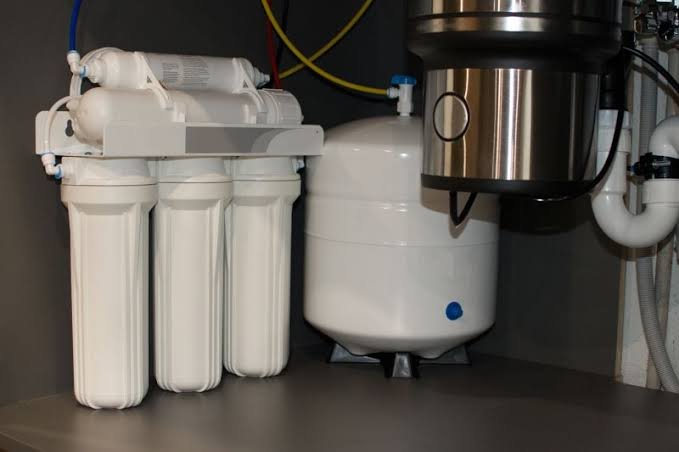
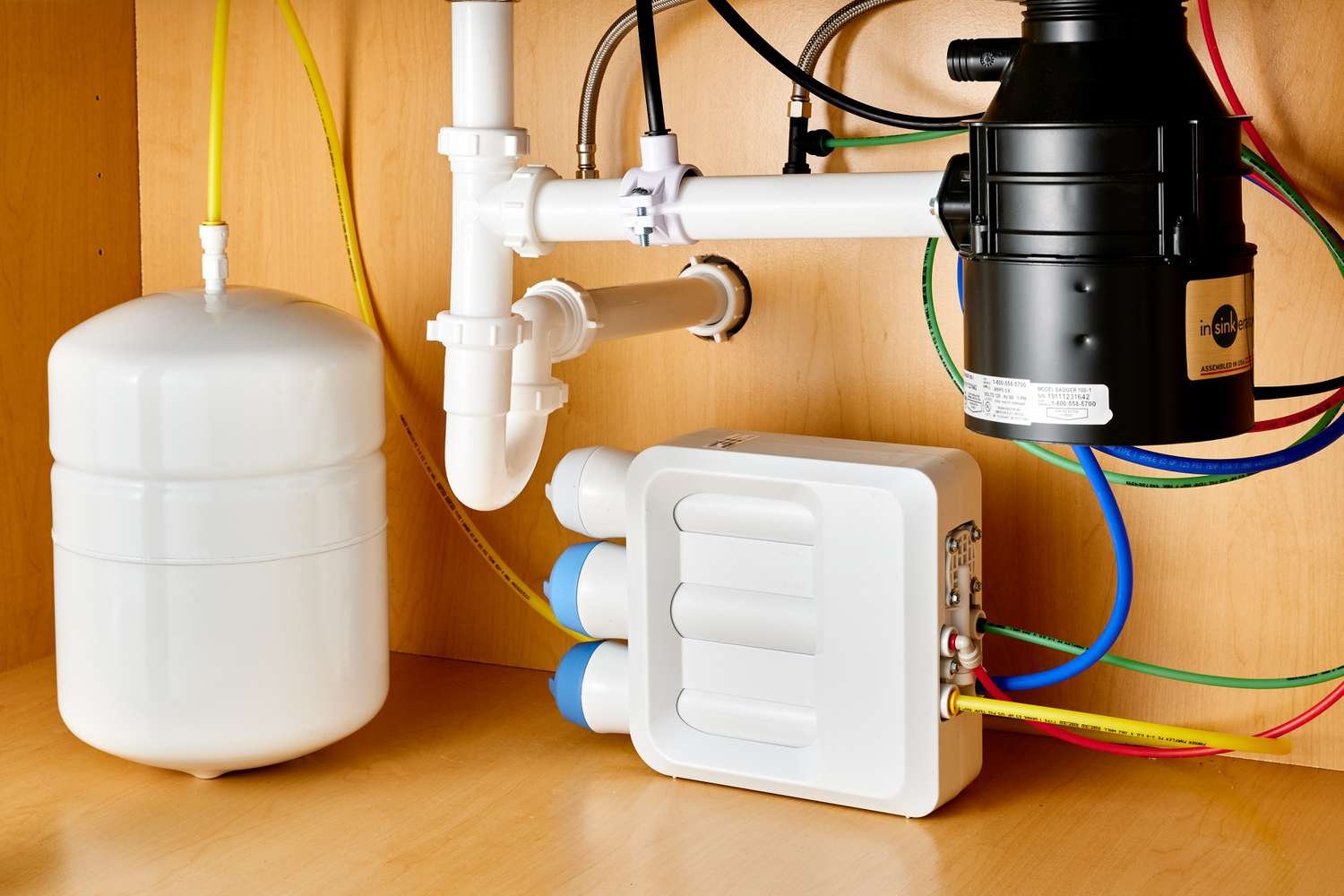
reverse osmosis drinking water systems use pressure to move water through a semipermeable membrane. The membrane can reduce a variety of dissolved substances, while additional filters are often used before or after the membrane.
For households with specific dissolved-contaminant concerns, this can be an effective treatment option. It can also improve the taste of drinking water when the incoming supply contains substances that affect flavor.
But reverse osmosis isn’t a magic solution for every water problem. It has its own requirements, including appropriate pressure, filter maintenance, and membrane replacement. Some systems also produce wastewater as part of the treatment process.
The important question isn’t whether reverse osmosis is “the best.” It’s whether it is appropriate for your water.
Point-of-Use Treatment Can Be Practical
Not everyone needs to treat every gallon of water entering the house.
If your main concern is drinking and cooking, a point-of-use system installed at the kitchen sink may be enough. This approach focuses treatment where you actually consume water instead of applying the same level of treatment throughout the entire plumbing system.
For some households, that can be a practical balance between performance and cost.
On the other hand, if you’re dealing with hard water, sediment, iron, or other concerns affecting showers, appliances, and fixtures, whole-home treatment may deserve consideration.
The best setup depends on the problem you’re trying to solve.
Installation Matters More Than People Think
Water treatment equipment is not simply a box you attach to a pipe.
Plumbing configuration, water pressure, drainage, available space, electrical requirements, and flow rate can all affect how well a system performs.
That’s why professional installation can make a meaningful difference. Proper sizing and configuration help ensure that the equipment works within its intended operating range.
An installer should also be able to explain how the system operates and what routine maintenance will involve.
This is especially important with more complex systems. A technically excellent filter can still perform poorly if it is installed incorrectly or operated under unsuitable conditions.
Don’t Forget Water Pressure
Water pressure tends to become an afterthought until it changes.
A filtration system can create some pressure loss as water passes through its treatment stages. If the equipment isn’t properly sized for the home’s demand, the effect may become noticeable when several fixtures are running at once.
Imagine someone showering while the dishwasher fills and another person turns on the kitchen faucet. That’s normal household behavior, not an unusual test case.
When selecting treatment equipment, ask about maximum flow rate and pressure requirements. A professional assessment can help determine whether the system is suitable for the home’s actual usage.
Maintenance Is Part of the Purchase
Every water-treatment system has some form of maintenance.
Filters need replacement. Reverse osmosis membranes eventually need changing. Connections and valves may require inspection. Storage tanks and other components can have their own service schedules.
Ignoring these tasks can gradually reduce performance.
It’s easy to think of maintenance as an annoying extra expense, but it is really part of owning the equipment. A filter that is past its useful life isn’t a bargain anymore.
Before buying a system, ask what replacement parts cost and how often they’re normally needed. Also find out whether routine servicing can be handled easily by the homeowner or requires professional assistance.
Look for Specific Performance Information
Water treatment marketing can be full of impressive language. “Advanced purification” sounds great, but what does it actually mean?
Look for measurable claims.
What contaminants is the system designed to reduce? Under what testing conditions? Is the equipment independently certified for the performance being advertised? What is its rated capacity?
These questions matter more than flashy product descriptions.
If you’re concerned about a particular contaminant, make sure the treatment technology is actually designed for it. Don’t assume that a general-purpose filter will handle everything.
Think About the Long-Term Picture
The upfront price of a water system is only one part of the cost.
Consider replacement filters, electricity, water consumption, servicing, repairs, and the expected lifespan of the equipment. A system that costs less initially may require more frequent maintenance. Another may have a higher purchase price but lower ongoing costs.
Neither is automatically the better choice.
What matters is the total value over time and whether the system continues to solve the problem you purchased it to address.
Better Water Doesn’t Have to Be Complicated
The most sensible approach to home water treatment is surprisingly straightforward.
Start by identifying what concerns you. Test the water when appropriate. Learn what different treatment technologies actually do. Then choose equipment that matches the results and your household’s needs.
For some people, that may mean a simple drinking-water filter. For others, reverse osmosis or a combination of treatment stages may make more sense.
And don’t overlook installation and maintenance. Those less exciting details are often what determine whether a system performs well years after the initial purchase.
At the end of the day, the goal isn’t to own the most sophisticated water-treatment equipment on the market. It’s to open the tap with confidence.
A good system should quietly do its job while you get on with yours. Your coffee tastes right. Your glass of water is refreshing. There’s no second-guessing every sip. Sometimes, that kind of ordinary is exactly what you’re paying for.