Water and indoor air are two things we rely on constantly, yet we rarely stop to think about them when everything seems normal. We shower, cook, wash dishes, run the laundry, heat or cool our buildings, and breathe the air around us without giving much thought to what may be moving through the pipes or circulating through the HVAC system.
Then something changes. Water starts leaving mineral spots on the faucet. A strange taste appears in a glass. Dust seems to return almost immediately after cleaning. Maybe the building feels stuffy, even though the air conditioner is running.
These aren’t always signs of a serious problem, but they’re worth paying attention to. Good water and air management isn’t about chasing perfection. It’s about understanding what’s happening and choosing practical solutions that make a property easier to maintain.
Start by Understanding the Water
Every water supply is different. Municipal water is treated before it reaches a property, but its characteristics can still vary by location. Private wells have their own considerations, including minerals and naturally occurring substances picked up underground.
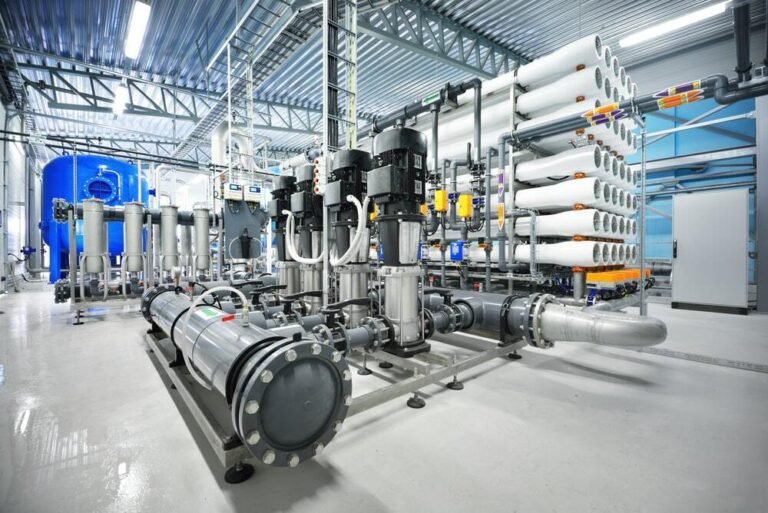
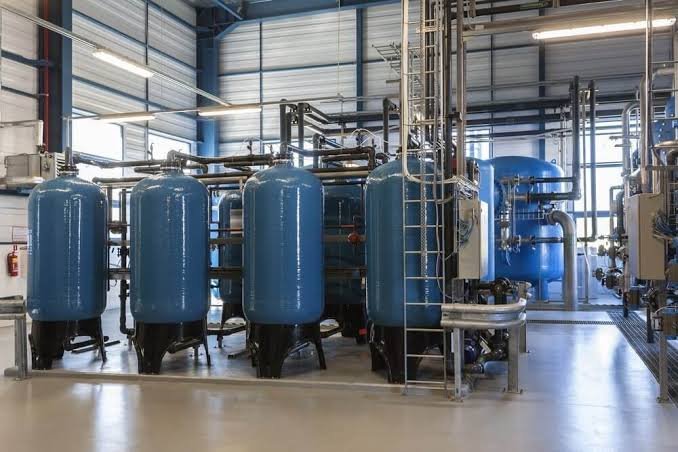
For businesses and larger properties, commercial water treatment systems can be designed around specific needs rather than relying on a generic setup. Depending on water conditions, treatment may involve sediment filtration, carbon filtration, softening, reverse osmosis, or specialized media.
The important word here is “specific.” A restaurant has different water demands from an office building. A hotel has different requirements from a manufacturing facility. Even two buildings with similar square footage can use dramatically different amounts of water.
Testing the supply before selecting equipment gives owners and facility managers a much clearer starting point.
Hard Water Can Create Everyday Problems
Hard water is common in many areas and usually contains higher levels of calcium and magnesium. Those minerals aren’t necessarily a reason for alarm, but they can be a headache.
You may notice white deposits around faucets, scale inside water heaters, or spots on glass shower doors. Soap may also feel harder to rinse away.
A water softener can help address these hardness minerals. But softening doesn’t replace filtration for other contaminants, which is why treatment systems sometimes use more than one technology.
The key is knowing what each component is supposed to accomplish. When equipment has a clear purpose, it’s easier to maintain and easier to troubleshoot when something changes.
Air Quality Deserves Equal Attention
Water isn’t the only utility that can affect comfort and maintenance. Indoor air quality plays a major role in how a building feels.
Dust, airborne particles, odors, and other pollutants can circulate through HVAC systems. In busy offices, schools, retail spaces, or commercial buildings, the volume of people and activity can make filtration especially important.
Professional efficient air filtration services can help assess existing equipment, recommend suitable filters, and establish replacement schedules. This matters because an air filter isn’t useful simply because it’s installed. If it’s overloaded with dust or poorly matched to the HVAC system, airflow and system performance can suffer.
And yes, filter replacement is one of those jobs that’s very easy to forget. It’s tucked away somewhere, quietly doing its job, until it isn’t.
Whole-House Treatment Has a Different Purpose
For homeowners, the water conversation often comes down to whether treatment is needed at one faucet or throughout the property.
A whole house water treatment system treats incoming water before it reaches the various fixtures in the home. Depending on the design, it may address sediment, chlorine, odors, hardness, or other identified concerns.
This approach can be useful when water quality affects more than drinking water. Showers, laundry, appliances, and bathroom fixtures all use the same supply, after all.
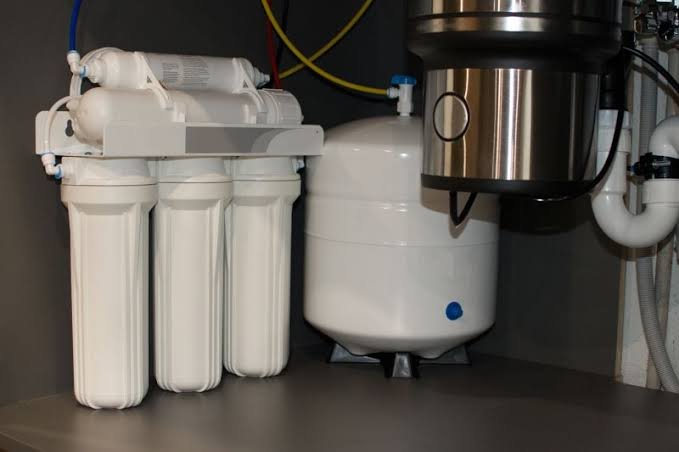
However, whole-house treatment isn’t automatically necessary for every home. If the only concern is drinking water taste, a point-of-use filter may be enough. The best choice depends on testing, household preferences, and the specific water problem.
Choosing the Right Filtration Technology
There are several filtration methods available, and they aren’t interchangeable.
Sediment filters are useful for removing particles. Carbon filters can improve taste and odor and reduce certain chemicals. Water softeners address hardness. Reverse osmosis systems can reduce many dissolved substances from drinking water.
The mistake is choosing a system based purely on a product description.
Instead, ask what the system is designed to remove and whether it has been tested for that purpose. If a supplier can’t explain how the equipment relates to your water conditions, that’s a reason to slow down before buying.
A little skepticism is healthy here.
Capacity Matters More Than Many People Realize
A filtration system needs to handle the amount of water flowing through it. That sounds simple, but peak demand can be very different from average demand.
A household might have two showers, a dishwasher, and a washing machine running around the same time. A commercial property may have dozens of fixtures operating during busy periods.
Equipment that is too small may struggle to maintain flow or require frequent servicing. Oversized equipment can increase installation and operating costs unnecessarily.
Proper sizing should take water demand, pressure, incoming water quality, and future usage into account.
Maintenance Keeps Everything Working
Water and air treatment equipment both need regular attention.
Water filters need replacement. Softening equipment needs appropriate regeneration settings and supplies. RO membranes eventually require servicing. HVAC filters need to be replaced according to usage and system requirements.
A maintenance schedule should be written down rather than left to memory. It sounds basic, but it’s surprisingly effective.
Keep records of filter changes, inspections, repairs, and water testing. These notes can help identify patterns. If a filter suddenly needs replacement twice as often as before, for example, there may be a change in the incoming water or another underlying issue.
Preventive maintenance is usually much less disruptive than emergency repair.
Don’t Ignore Operating Costs
The initial equipment price is only one part of the financial picture.
Consider replacement filters, service visits, water consumption, electricity use, and expected equipment lifespan. For commercial properties, even small differences in operating efficiency can become significant over several years.
Homeowners should think about the same thing on a smaller scale. A system that requires specialized cartridges every few months might cost more to own than expected.
Ask for realistic maintenance estimates before committing to a system. Knowing the long-term cost helps prevent unpleasant surprises.
Better Results Come From Better Planning
Good water and air treatment doesn’t happen simply because equipment was installed. It starts with understanding the problem.
Test the water. Assess indoor air conditions. Identify what needs improvement. Then choose equipment based on those findings.
Avoid the temptation to buy every available filtration technology. More components don’t automatically equal better performance. A properly selected and correctly sized system is usually more useful than a complicated setup with features you don’t actually need.
The same principle applies to maintenance. A straightforward system that is serviced consistently will often perform better than sophisticated equipment that’s forgotten after installation.
A Cleaner Home or Building Should Feel Easier
The best treatment systems don’t demand constant attention. They work quietly in the background, helping maintain water and air quality while people get on with their routines.
For homeowners, that might mean better-tasting water, fewer mineral deposits, and less frustration around the sink or shower. For businesses, it can mean more predictable maintenance and a more comfortable environment for employees, customers, and visitors.
There isn’t one perfect system for every property. That’s actually good news. It means you can choose based on what your home or building genuinely needs.
Start with information rather than assumptions, invest in equipment that has a clear purpose, and keep up with maintenance. It’s a simple approach, but it tends to work.
Clean water and cleaner indoor air don’t need to be complicated projects. With the right planning, they can become just another part of a well-run, comfortable property — doing their job quietly, every day.