Water quality is one of those household subjects that tends to stay in the background until it becomes annoying. A glass of water tastes different. White scale starts building around the faucet. The shower door develops cloudy spots. Maybe there’s an odor you can’t quite put your finger on.
At that point, it’s natural to start looking for a filtration system. But the hardest part isn’t finding a product. There are plenty of them. The real challenge is figuring out what your water actually needs and choosing a solution that fits your home without turning the utility room into a complicated science experiment.
The best water treatment decisions usually begin with a little investigation and end with a system that’s simple enough to live with.
Know What’s in Your Water
Before choosing equipment, start with testing. Water can contain minerals, sediment, disinfectants, metals, microorganisms, and other substances that aren’t necessarily visible in a glass.
Hardness, for instance, may leave scale and affect how soap behaves. Sediment can clog fixtures and filters. Certain dissolved substances may affect taste or odor. Private wells can present a completely different set of considerations from municipal supplies.
A water test gives you a clearer starting point. Instead of guessing, you can select treatment based on measurable conditions.
It’s a bit like diagnosing a persistent car problem. You wouldn’t replace random parts until something worked. You’d figure out what was wrong first. Water deserves that same approach.
Understanding Reverse Osmosis
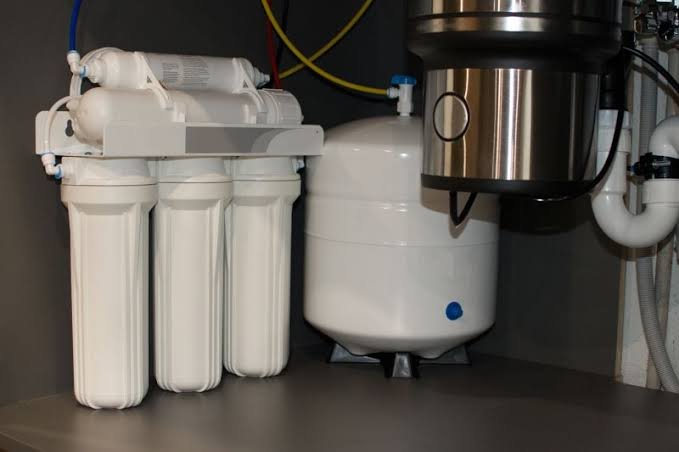
For households looking for highly treated drinking water, reverse osmosis water filtration can be an appealing option. Unlike a basic carbon filter, reverse osmosis uses a semipermeable membrane to reduce many dissolved substances from water.
The technology is particularly useful when a water test shows concerns that require more than taste-and-odor filtration. Many systems also use prefilters and postfilters, creating several stages of treatment before water reaches the dedicated drinking faucet.
There is a trade-off, though. Reverse osmosis systems require maintenance, including periodic filter and membrane replacement. They also need suitable water pressure and proper installation.
That’s not a reason to avoid the technology. It simply means the system should be selected and installed with the household’s actual conditions in mind.
When Treating the Whole House Makes More Sense
Not every water concern belongs at the kitchen sink.
If the water contains noticeable sediment, chlorine odor, or other characteristics you’d prefer to address throughout the house, a point-of-use filter may leave much of the problem untouched. Water used for bathing, laundry, and cleaning still flows through the plumbing untreated.
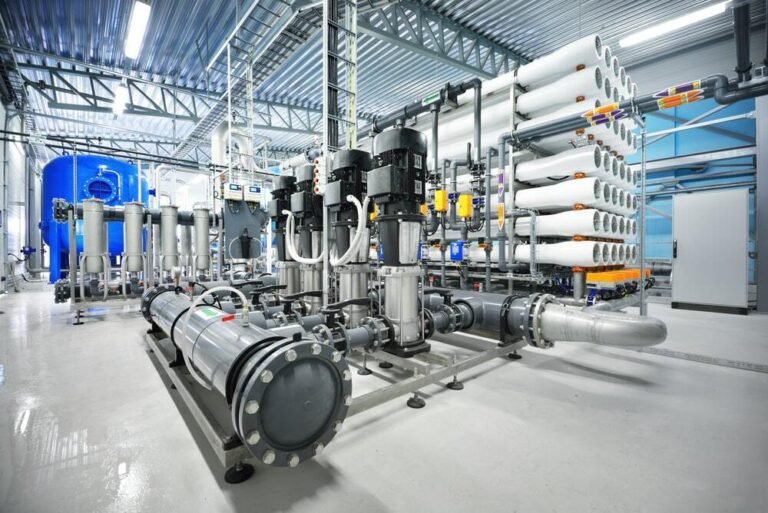
That’s where whole home filtration can make sense. A properly designed system treats water as it enters the property, allowing multiple fixtures to receive filtered water.
The exact filtration method depends on what’s present in the supply. Carbon, sediment filtration, specialty media, and other technologies each have specific purposes. There’s no universal whole-house filter that automatically handles every water-quality concern.
The important thing is matching the treatment method to the test results.
Hard Water Is a Different Problem
Hard water often gets lumped into the general category of “bad water,” but technically it’s a different treatment challenge.
Calcium and magnesium are the primary minerals responsible for hardness. They’re not usually what makes water look dirty. Instead, they create scale, interfere with soap, and can gradually build up inside plumbing and appliances.
This is where water softeners can be useful. A properly sized softener reduces hardness and can help limit mineral buildup throughout the plumbing system. Many homeowners notice the difference in small everyday ways—cleaner shower surfaces, easier soap lathering, and fewer mineral deposits on fixtures.
However, a softener isn’t a substitute for a drinking-water filter. It is designed to address hardness, not every contaminant that might be present.
Pay Attention to Flow Rate
A treatment system can have excellent filtration performance and still be a poor choice if it can’t keep up with household demand.
Imagine someone taking a shower while the washing machine is filling and another faucet is running. Water demand can climb quickly. If the system is undersized, pressure may drop and the whole house feels the difference.
When selecting equipment, consider peak flow requirements, household size, number of bathrooms, and expected water use.
Oversizing isn’t always the answer either. A larger system can cost more, occupy additional space, and sometimes require more maintenance. The goal is balance.
Installation Is More Important Than It Looks
Filtration equipment involves plumbing connections, valves, drains, pressure considerations, and often several treatment stages. Installation errors can affect performance even when the equipment itself is excellent.
The system should be positioned where it can be accessed for maintenance. Filters shouldn’t be buried behind other equipment. Shutoff valves should be practical to reach. Drain connections need to be properly configured where required.
A tidy installation isn’t just about appearances. It makes future servicing easier and reduces the chance that a simple filter change becomes a frustrating plumbing project.
Maintenance Keeps the System Useful
Every filtration system has a maintenance schedule. Some homeowners follow it religiously. Others remember only when the water starts tasting strange again.
It’s better not to wait.
Filters have limited capacity. Once they become exhausted, performance can decline. Reverse osmosis membranes need periodic replacement. Sediment filters can become clogged. Carbon media eventually reaches the point where it should be serviced or replaced.
Write down service dates if you need to. Set a reminder. Keep replacement parts available for common filters.
Five minutes of planning can save an inconvenient weekend problem later.
Don’t Assume More Stages Mean Better Water
A common marketing trap is the idea that a system with more filtration stages must be better.
Not necessarily.
If your water has one clearly identified problem, you don’t automatically need five different treatment technologies. Extra components can increase cost, maintenance, space requirements, and potential points of failure.
A well-designed system should have a reason for every major component.
That’s why professional water testing and thoughtful system design are so useful. They help separate genuine treatment needs from unnecessary features.
Make the System Fit Your Life
A good filtration system should work with your household rather than becoming another chore.
Think about where equipment will be installed, who will maintain it, how often filters need attention, and what happens if something stops working. Consider future changes too. A growing household or home renovation may alter water demand.
For well owners, periodic testing is particularly important because groundwater conditions can change. Even municipal supplies can experience changes that affect taste or appearance.
Water treatment isn’t necessarily a one-time decision. It’s an ongoing part of maintaining the home.
Better Water Starts With Better Decisions
Choosing water filtration equipment doesn’t have to be overwhelming. Start with the water itself. Find out what you’re dealing with, decide which concerns actually matter, and then choose technology that addresses those concerns.
For some homes, a simple sediment or carbon filter may be enough. Others may benefit from whole-house treatment, a dedicated reverse osmosis drinking-water system, a softener, or a combination of approaches.
The smartest solution isn’t always the biggest or most expensive one. It’s the system that fits the water, the plumbing, the household, and the people living there.
Once everything is properly selected and maintained, good water treatment tends to disappear into the background. And honestly, that’s a pretty good sign. You turn on the tap, fill your glass, take a drink—and don’t have to think twice about it.