Water is supposed to be simple. Turn on the tap, fill a glass, and get on with your day.
Yet for many homeowners, the reality is a little messier. There may be white scale around faucets, an odd smell from the kitchen tap, staining in the bathroom, or water that simply doesn’t taste as good as expected. Sometimes the problem is obvious. Other times, everything looks normal until you notice your water heater isn’t performing like it used to.
When that happens, the instinct is often to search for the “best” filter or treatment system. But there really isn’t one universal answer. Water quality varies from house to house, and the right equipment depends on what’s actually in the water, where it comes from, and what you want the system to accomplish.
A thoughtful approach starts with information, not impulse.
Know Your Water Before Buying Anything
The first step is testing.
A water test can reveal characteristics that aren’t visible to the naked eye, including hardness, pH, iron, manganese, sediment, dissolved solids, and other potential concerns. The appropriate testing depends on whether the home uses municipal water or a private well and what symptoms have been noticed.
This matters because different problems call for different technologies.
Buying equipment before testing is a bit like buying eyeglasses without checking your prescription. They might look great. They just might not help much.
A clear understanding of the water makes it easier to narrow down the options and avoid unnecessary equipment.
Not All Treatment Products Do the Same Thing
The water-treatment aisle can be confusing. There are cartridges, tanks, membranes, softeners, UV units, specialty filters, and systems with names that sound like they belong in a laboratory.
The good news is that you don’t need to understand every technology at once.
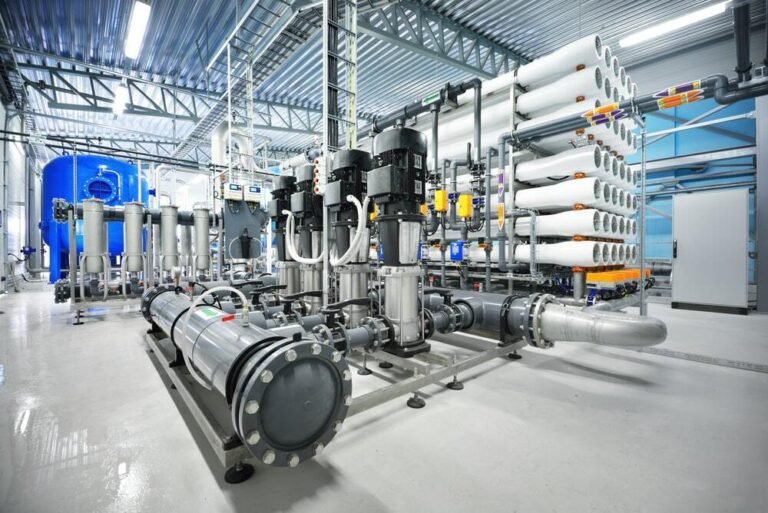
Different water treatment products are designed for different purposes. Sediment filters can address physical particles. Carbon filtration can help with certain tastes and odors. Softening equipment is intended primarily for hardness minerals, while reverse osmosis is commonly used to reduce many dissolved substances from drinking water.
The key is matching the equipment to the problem rather than choosing something simply because it has the longest list of features.
Hard Water Is a Common Household Frustration
If your faucets develop a chalky white buildup, your shower glass constantly looks dirty, or soap doesn’t seem to lather properly, hard water may be part of the story.
Hardness comes primarily from dissolved calcium and magnesium. While hard water isn’t automatically a sign that something is wrong with the water supply, it can create practical problems around the home.
Mineral deposits can accumulate on fixtures and inside water-using appliances. Cleaning becomes more frustrating, and some homeowners simply dislike the way hard water feels on their skin or hair.
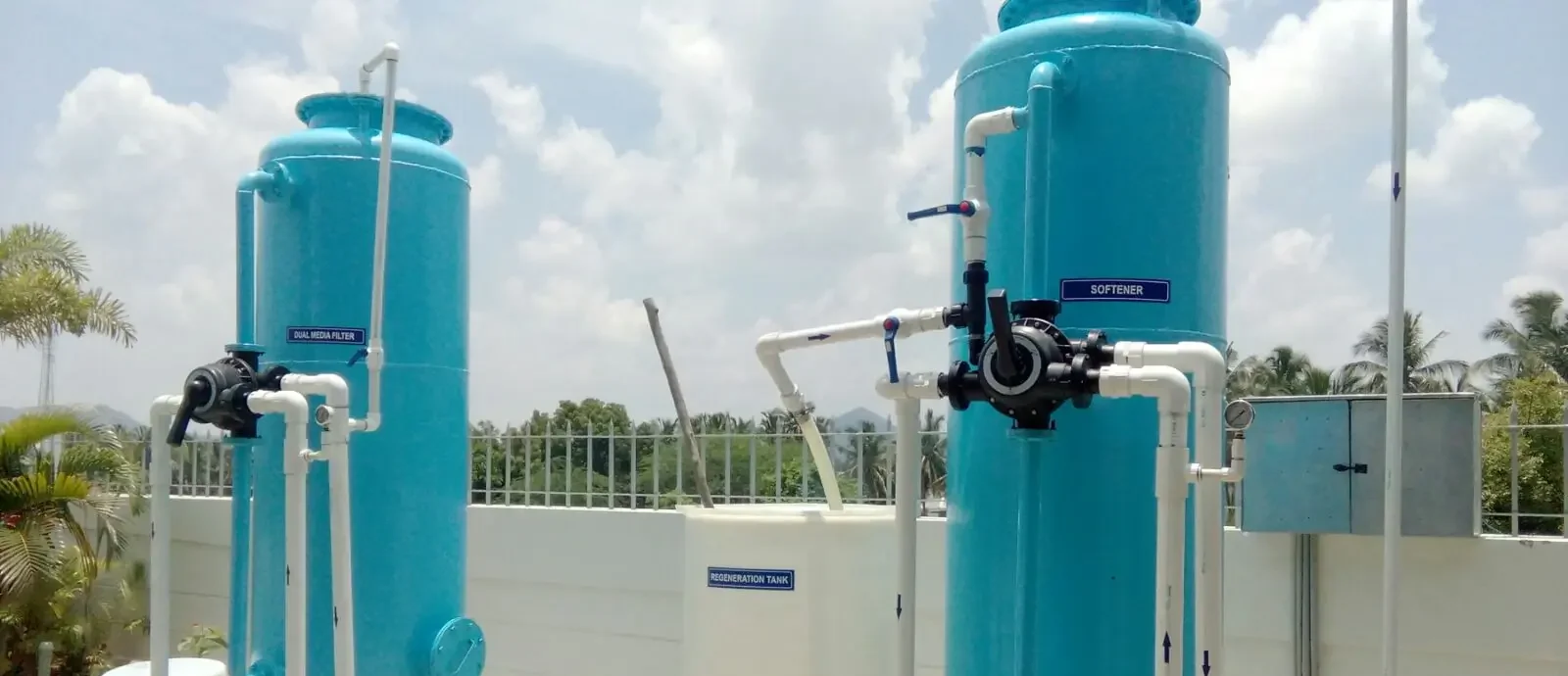
For households dealing with this issue, water softeners can help reduce hardness by exchanging calcium and magnesium ions for other ions, commonly sodium or potassium depending on the system.
The right system should be sized according to household water use and water hardness. Bigger isn’t automatically better.
Drinking Water May Need Its Own Treatment
Whole-house water treatment and drinking-water treatment aren’t necessarily the same thing.
Some homeowners want to address a water-quality issue throughout the property. Others are mainly concerned about the water they drink and use for cooking.
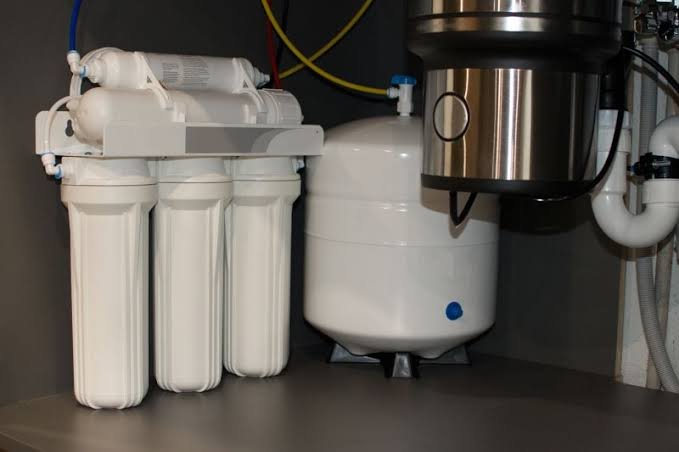
Point-of-use systems can be practical in the second situation. Reverse osmosis, carbon filtration, and other technologies can be selected based on the substances found during testing.
Modern drinking water systems can provide an additional level of treatment at a kitchen faucet without necessarily requiring the entire home’s water supply to go through the same process.
This can be a sensible approach when the concern is specifically related to drinking water. Again, testing should guide the decision.
Consider What Your Plumbing Can Handle
Water-treatment equipment eventually becomes part of the home’s plumbing system.
That means installation isn’t simply a matter of finding an empty corner and connecting a few pipes. Flow rate, pressure, drainage, pipe configuration, and available space all matter.
Older plumbing can also complicate things. A new system may work perfectly, but an existing valve or connection could still be failing.
Before installation, look at the broader picture. If the home already has low water pressure, recurring leaks, or corroded plumbing, those concerns may need to be addressed first.
There’s little benefit in installing a sophisticated treatment system on top of an unresolved plumbing problem.
Think About Household Water Use
A two-person household and a family of six won’t necessarily have the same treatment requirements.
Daily showers, laundry, dishwasher use, outdoor watering, and other activities affect water consumption. Equipment should be sized for realistic demand rather than an idealized number.
Undersized equipment may struggle during periods of heavy use. Oversized equipment can increase costs without delivering meaningful additional benefits.
This is one area where professional guidance can be useful. Someone familiar with water-treatment design can consider household size, water chemistry, peak demand, and the intended purpose of the system.
Installation Quality Matters
Even excellent equipment can perform poorly when installation is rushed or incorrectly configured.
Connections need to be secure. Filters should be accessible for replacement. Drainage should be appropriate. Controllers, valves, tanks, and other components need to be set up according to the equipment’s requirements.
Homeowners should also know how the system works after installation.
Where does the filter go? How often should it be replaced? What happens if pressure drops? Is there a bypass valve? What signs suggest the system needs service?
These aren’t complicated questions, but having answers makes ownership much easier.
Maintenance Is Part of the Purchase
A water-treatment system isn’t a one-time purchase in the strictest sense.
Filters eventually become saturated. Membranes wear out. Components need inspection. Softener systems require routine care, and UV systems need attention according to manufacturer recommendations.
Ignoring maintenance can gradually reduce performance.
Sometimes the warning is subtle. Water starts tasting different. A familiar stain returns. Pressure isn’t quite what it used to be. Homeowners may blame the equipment when the real issue is simply an overdue filter replacement.
Keeping a maintenance record is an easy solution. Write down installation dates, filter changes, service visits, and replacement recommendations.
Five minutes of record keeping can save a lot of head scratching later.
Don’t Let Marketing Make the Decision
Water-treatment advertising can make almost any system sound essential.
“Maximum purification.” “Advanced protection.” “Complete home solution.”
Those phrases may sound impressive, but they don’t tell you whether the equipment is appropriate for your water.
Instead, ask practical questions. What does the system remove? Has the water been tested? What is the expected maintenance schedule? How much water does it waste, if applicable? What replacement parts are required? What happens when something fails?
Good questions tend to lead to better purchases.
The Right System Is the One That Solves Your Problem
Water treatment doesn’t have to become an overwhelming project.
Start with testing. Understand your water source. Identify the actual concern. Then compare treatment technologies based on what they are designed to do.
For one home, reducing hardness may be the priority. Another might need sediment filtration or treatment for a specific taste or odor. Someone else may want a dedicated drinking-water solution.
There is no need to make the system more complicated than the problem requires.
Ultimately, the best water-treatment decision is a practical one. It should improve the quality or usability of your water, fit the home’s plumbing, stay within a sensible budget, and remain manageable over the years.
The goal isn’t to own the most equipment.
It’s to turn on the tap and feel confident about what comes out. And when water treatment is chosen with that simple goal in mind, the whole process becomes much clearer.