There’s something about a heating system breaking down on a cold morning that makes the whole house feel colder than it actually is. You wake up, step onto a chilly floor, and immediately reach for the thermostat. Nothing. Maybe the system makes a clicking sound and stops. Maybe it runs, but the air coming through the vents barely feels warm.
It’s frustrating, but it’s also a situation where a little patience and the right professional help can prevent a small problem from becoming a much bigger one. Heating equipment has many moving parts, electrical connections, controls, and safety components. When something goes wrong, guessing at the cause can sometimes do more harm than good.
Understanding the warning signs and knowing when to call a professional is a useful skill for any homeowner.
Don’t Ignore Strange Changes in Performance
Heating systems rarely become unreliable for no reason. Often, they provide clues first.
You might notice that the house takes longer to warm up than it used to. Perhaps one bedroom is freezing while the living room feels comfortable. Maybe the furnace switches on and off more frequently, or the airflow from certain vents seems unusually weak.
These changes don’t always mean the system is about to fail completely. A dirty filter, blocked vent, thermostat problem, airflow restriction, or worn component could be responsible. Still, unusual behavior deserves attention.
If you’ve lived with the same heating system for years, you probably know its normal sounds and rhythms. When those change, pay attention.
Some Problems Need Professional Attention
There are plenty of basic things homeowners can safely check, such as whether the thermostat is set correctly or whether a filter needs changing. Beyond that, though, heating equipment becomes considerably more complicated.
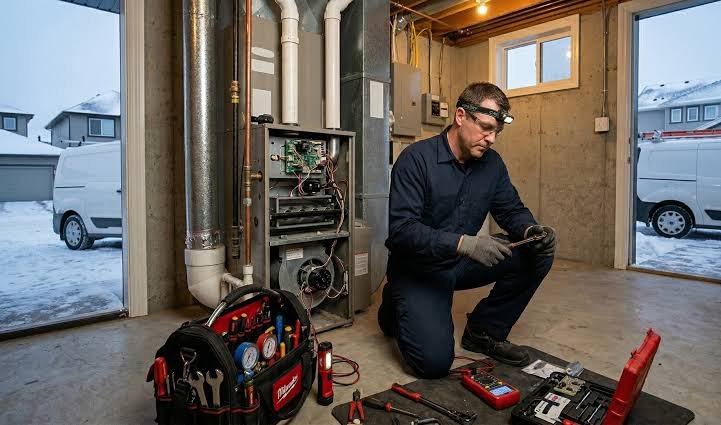
That’s where heating system repair services can be useful. A qualified professional can inspect the equipment, test components, identify the source of the problem, and determine whether a repair is appropriate.
The important word here is “source.” Replacing a failed part without understanding why it failed can lead to repeat problems. A good technician isn’t simply trying to get the system running again; they’re trying to figure out what went wrong in the first place.
Know the Difference Between a Minor Issue and a Serious One
Not every heating problem requires an emergency visit. A slightly dirty filter isn’t the same thing as a furnace producing unusual odors or making loud mechanical noises.
However, certain warning signs shouldn’t be ignored. A strong gas smell, smoke, signs of electrical damage, burning odors that don’t disappear, or repeated safety shutoffs are reasons to stop using the equipment and seek professional assistance.
Don’t try to diagnose potentially dangerous problems yourself. Heating systems can involve combustion and high-voltage electricity, and safety should always come first.
In less serious situations, scheduling heating repair services sooner rather than later may help prevent additional wear. A small component that costs relatively little to replace can sometimes cause damage to other parts if it continues malfunctioning.
Why Proper Diagnosis Matters
Imagine your car starts making a strange noise. You wouldn’t necessarily replace the battery just because it’s the easiest part to access. HVAC systems deserve the same logic.
A heating professional may check several things before identifying the actual fault. That could include thermostat operation, electrical connections, airflow, motors, sensors, ignition components, controls, or other equipment-specific parts.
Diagnosis can take a little time, particularly when the problem is intermittent. That’s not necessarily a bad sign. In fact, a technician who asks questions and performs proper testing is often doing a more thorough job than someone who immediately announces that you need a major replacement.
Choosing the Right Person for the Job
When the heating stops working, it’s tempting to call the first company that can arrive. Sometimes that’s unavoidable, especially during severe weather. But whenever possible, take a moment to consider who you’re letting into your home and work on expensive equipment.
Experienced heating repair technicians should be able to explain the problem without drowning you in technical jargon. They should also be willing to discuss repair options, expected costs, and whether the equipment is worth repairing.
Look for appropriate licensing, insurance, experience, and positive customer feedback. Clear estimates are helpful too. You don’t want to discover unexpected charges after the work is finished.
Repair or Replace?
This question comes up frequently, particularly with older heating systems.
A relatively new system with a failed sensor or motor may be an obvious repair candidate. An older unit that has required several expensive repairs in recent years is a different story.
Consider the system’s age, repair history, efficiency, warranty status, and likely future expenses. If a major component fails on equipment that’s already nearing the end of its expected service life, replacement might make more financial sense.
That doesn’t mean every old furnace should be replaced at the first sign of trouble. A trustworthy contractor should explain the reasoning behind both choices and let you make an informed decision.
Don’t Forget About Airflow
Sometimes what looks like a heating problem isn’t actually a failure of the heating equipment.
Blocked vents, dirty filters, leaking ductwork, closed dampers, or poor duct design can create uneven temperatures throughout a house. You may turn the thermostat higher and higher, but if warm air isn’t reaching the rooms effectively, the problem won’t disappear.
Airflow problems can also force equipment to work harder. That may affect comfort, energy consumption, and component life.
When a technician evaluates your system, mention specific rooms that feel uncomfortable. Details such as “the upstairs bedroom is always colder” can help narrow down the issue.
Maintenance Can Prevent Some Headaches
Repair is only one part of responsible heating ownership. Preventive care matters too.
Changing filters as recommended, keeping supply and return vents clear, and scheduling professional inspections can help identify developing problems. Maintenance won’t make equipment immortal, of course, but it can reduce avoidable issues and help the system operate more reliably.
It’s also a good opportunity to ask questions. If a technician notices a worn component that isn’t failing yet, you’ll have time to plan rather than making a rushed decision during the next cold snap.
Don’t Wait Until You’re Shivering
A broken heating system is inconvenient at any time, but it’s especially stressful when temperatures are dropping and everyone in the household is waiting for warmth.
The best approach is surprisingly simple: notice changes, take warning signs seriously, and get professional help when the problem goes beyond basic homeowner checks. Avoid quick fixes that only mask the issue, and don’t be afraid to ask a technician why a particular repair is being recommended.
A dependable heating system should fade into the background of daily life. You set the temperature, get comfortable, and carry on with your day. Keeping it that way requires some attention, but it doesn’t have to be complicated.
When something feels off, deal with it early. In the world of home heating, a little attention at the right time can save you from a very cold morning later.