You turn on the kitchen tap, fill a glass, and notice that the water looks a little different than usual. Maybe there’s a strange tint, a metallic mark around the sink, or a cloudy appearance that wasn’t there yesterday. It’s easy to shrug these things off as minor annoyances, especially when the water still seems to taste normal. But changes in water appearance can sometimes offer useful clues about what’s happening inside your plumbing or water supply.
Not every mark or change in clarity signals a serious problem. Minerals naturally occur in many water sources, and harmless air bubbles can make water look milky for a short time. Still, persistent changes deserve attention. Knowing what to look for, what might cause it, and when to seek professional testing can help you make better decisions about your home’s water.
When Stains Start Appearing Around the House
One of the most noticeable signs of a water problem is discoloration around sinks, bathtubs, toilets, and shower fixtures. The marks may appear gradually, which makes them easy to overlook until cleaning becomes a regular battle.
Orange, reddish-brown, or sometimes blue-green marks can have different causes. Rust or blue-green staining may be associated with iron, copper, corrosion in plumbing, or the chemistry of the water itself. Iron can leave rusty-looking deposits, while copper corrosion may produce blue or green discoloration around fixtures and drains.
The location of the stain can offer a clue, although it won’t confirm the cause. Marks concentrated around one faucet might point toward a localized plumbing issue. If several fixtures throughout the home develop similar discoloration, the problem may involve the water supply or a wider section of the plumbing system.
It’s tempting to reach for a stronger cleaner and call it a day. Cleaning can remove some surface deposits, but recurring stains often return because the underlying cause remains. If discoloration appears suddenly, spreads quickly, or accompanies a metallic taste or unusual odor, consider having the water tested rather than relying on appearance alone.
Why Water Sometimes Looks Cloudy
A glass of water should generally look clear, so a milky or hazy appearance can be unsettling. Fortunately, cloudiness doesn’t automatically mean contamination. One common explanation is tiny air bubbles released as pressurized water flows from a tap.
There’s a simple way to investigate this possibility. Fill a clean, transparent glass and leave it undisturbed for a minute or two. If the water gradually clears from the bottom upward, trapped air is a likely explanation. This is often harmless and may occur when water pressure or temperature changes.
Persistent cloudy water, however, deserves a closer look. Fine suspended particles, disturbed sediment, plumbing work, or changes in the supply can affect clarity. In some situations, a cloudy appearance may indicate a problem that requires professional assessment.
Pay attention to whether the change affects one faucet or every tap in the home. Check whether neighbors are experiencing the same issue, and contact your water supplier if the home receives municipal water. If cloudiness appears suddenly and doesn’t settle, particularly when accompanied by unusual color, odor, or an advisory from the supplier, avoid drinking the water until you have reliable guidance on its safety.
What Your Plumbing Can Reveal
Water travels through a network of pipes, fittings, valves, and household equipment before reaching your glass. Along the way, its interaction with plumbing materials can influence its appearance and chemistry.
Older metal pipes may corrode over time. Changes in water chemistry, plumbing age, and the condition of fittings can all affect the rate of corrosion. Renovations or maintenance work can also disturb sediment that has accumulated inside pipes, causing temporary discoloration.
If the problem occurs only with hot water, the water heater may deserve attention. Sediment can accumulate inside a tank, and corrosion affecting the heater or its connections can sometimes influence water quality. If only one fixture is affected, a clogged aerator or localized pipe section might be involved.
These observations are useful starting points, not a diagnosis. Avoid dismantling plumbing components unless you know how to handle them safely. A licensed plumber can inspect the system and help determine whether the issue comes from a fixture, the water heater, or the pipes themselves.
Water Quality Is About More Than Appearance
Clear water isn’t necessarily safe water, just as water with harmless air bubbles isn’t necessarily contaminated. Some substances that matter for health cannot be seen, smelled, or tasted. That’s why visual inspection, while helpful, should never be treated as a complete safety test.
Common water quality issues may involve excessive mineral content, iron, copper, changes in pH, or contaminants that require specific laboratory testing. Which tests make sense depends on your water source, the plumbing system, local conditions, and any symptoms you’ve noticed.
Households using private wells may need routine testing for bacteria, nitrates, and other locally relevant contaminants. Municipal water customers can review their supplier’s water quality report, but household plumbing can still introduce problems between the distribution system and the tap.
Testing is especially worthwhile after plumbing repairs, flooding, changes in a well’s condition, or repeated unexplained discoloration. If anyone in the home has a health concern that could make exposure more serious, seek advice from the relevant public health authority or a qualified water-testing professional.
Choosing a Treatment That Actually Fits the Problem
Once testing identifies the cause, choosing a solution becomes much easier. Without that information, it’s possible to spend money on equipment that doesn’t address the issue at all.
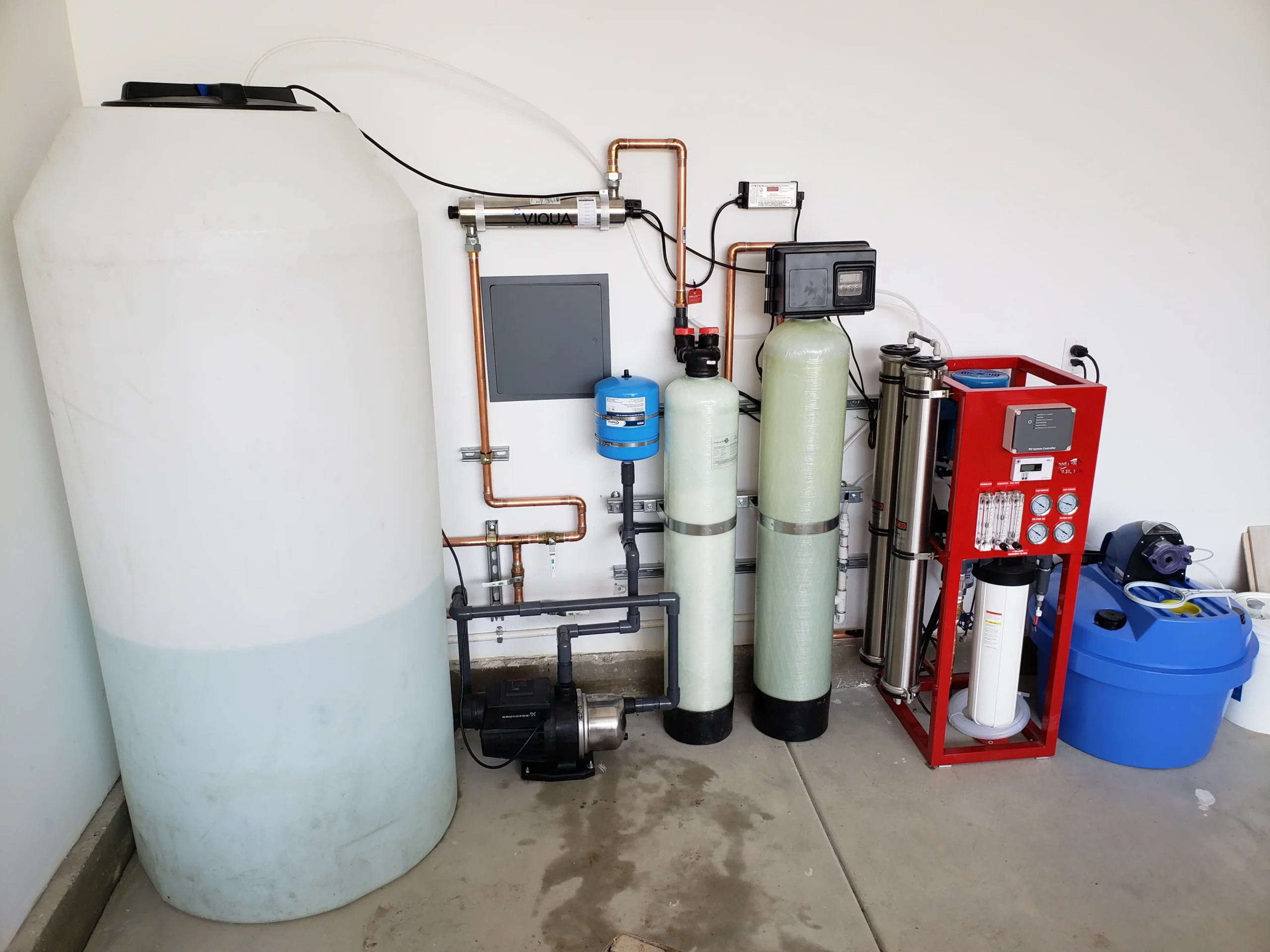
For example, a water softener is designed primarily to reduce hardness minerals such as calcium and magnesium. It may help with scale buildup and certain cleaning problems, but it isn’t a universal treatment for bacteria, dissolved metals, or every source of discoloration.
A sediment filter can capture particles within its rated filtration range, while an activated carbon filter can improve certain tastes and odors. Specialized treatment may be needed for iron, copper, or other dissolved substances. Microbial contamination requires a suitable disinfection method, selected according to the test results and local recommendations.
Reverse osmosis can reduce many dissolved substances when the system is appropriately designed and maintained. However, it isn’t automatically necessary for every household. Each technology has limitations, and performance depends on the specific equipment, installation, and upkeep.
Before buying anything, ask the provider which contaminants the system is certified to reduce, what maintenance it requires, and whether independent testing supports its claims. A clear explanation is more useful than a long list of impressive-sounding features.
Small Observations Can Prevent Bigger Headaches
You don’t need to become a water specialist to notice when something changes at home. Keep an eye on recurring stains, unusual cloudiness, shifts in taste, and differences between hot and cold taps. Write down when the issue began and whether it affects one fixture or the whole property. Those details can help a plumber or testing laboratory investigate more efficiently.
If your water suddenly becomes discolored, develops an unusual odor, or changes after a local supply interruption, contact your water provider for advice. Where contamination is possible, use an alternative known-safe water source until the concern has been assessed.
Ultimately, good water management starts with curiosity rather than guesswork. A stain may be a simple mineral deposit, and cloudy water may be nothing more than air. But persistent changes are worth investigating, because the right test can distinguish an ordinary nuisance from a genuine concern. When you understand what’s happening, you can choose a practical solution, protect your plumbing, and feel more confident about the water your household uses every day.