A home’s plumbing system doesn’t usually get much attention when everything is working as it should. You turn on the tap, take a shower, run the washing machine, and get on with your day. It’s only when something goes wrong that you realize how much you depend on those pipes, valves, drains, and appliances. A blocked sink before breakfast or a water heater that stops working on a cold morning can throw an entire household off schedule.
Fortunately, many plumbing problems can be managed with timely maintenance and the right professional help. From improving drinking water quality to repairing damaged pipes and replacing aging equipment, a little planning can prevent plenty of frustration. The trick is knowing what deserves attention now and what can safely wait.
Small Plumbing Problems Can Become Expensive
It’s tempting to ignore a dripping faucet or a drain that takes an extra minute to empty. After all, neither problem seems particularly urgent. But small plumbing faults sometimes point to larger issues developing out of sight.
A slow leak beneath a bathroom vanity, for instance, can gradually damage the cabinet and flooring. Moisture trapped in enclosed spaces may also encourage mold growth. Similarly, a recurring blockage could indicate buildup deeper inside the drainage system rather than a simple obstruction near the drain opening.
Watch for warning signs such as unexplained increases in water bills, damp patches on walls, unpleasant drain odors, or changes in water pressure. None of these symptoms automatically means you have a major plumbing failure, but they’re worth investigating.
If a pipe bursts or water begins spreading rapidly, shut off the main water supply if you can do so safely. Keep clear of electrical hazards and arrange professional assistance promptly. Acting quickly can limit damage to your home and belongings.
Better Water Quality Starts With Understanding Your Supply
Water can look perfectly clear and still contain dissolved minerals or other substances that affect its taste, odor, or suitability for particular uses. That’s why guessing which treatment system you need isn’t always the best approach.
Start by considering what you’ve noticed. Does your water leave chalky deposits on faucets? Are there unusual tastes or smells? Do you see staining around sinks or laundry fixtures? These clues can help identify possible concerns, although testing is the most reliable way to understand your water’s characteristics.
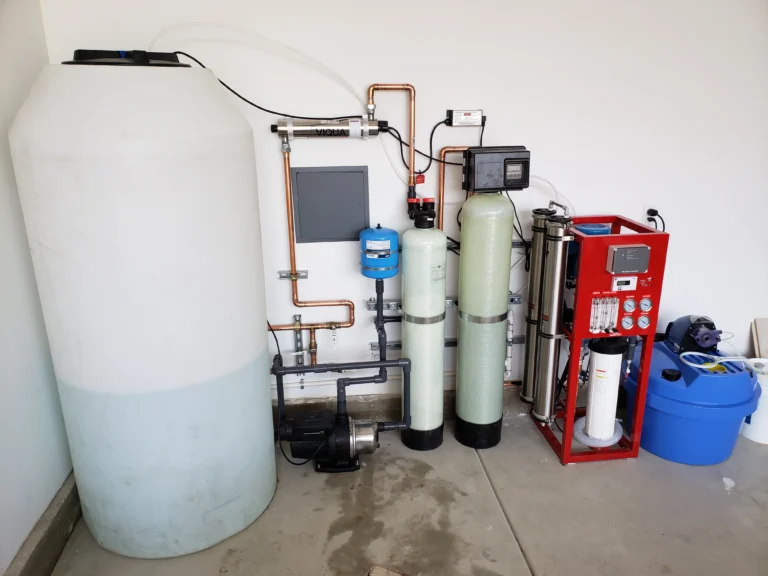
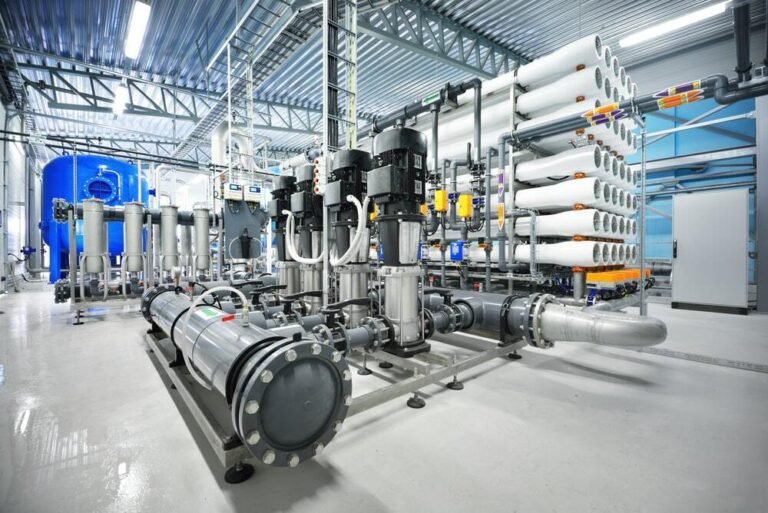
Different treatment systems serve different purposes. Sediment filters can remove suspended particles, while activated carbon filters may reduce certain compounds responsible for unpleasant tastes and odors. Other systems are designed to address specific contaminants, depending on the technology and certification involved.
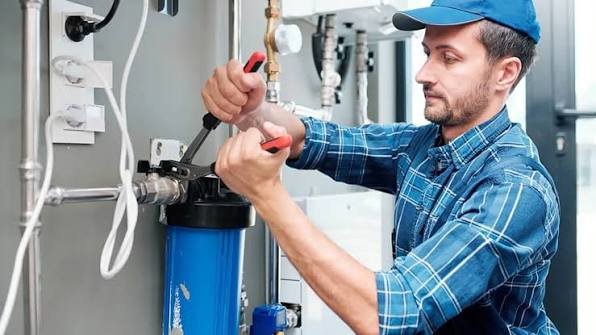
Professional water filtration system installation can help ensure that the equipment matches your water quality, household demand, and plumbing layout. Correct sizing and placement matter because even a good filter may perform poorly if it’s unsuitable for the supply or installed incorrectly.
Remember that no single filter removes every possible contaminant. Review the manufacturer’s performance claims, follow replacement schedules, and arrange appropriate testing when safety concerns exist. These steps help you get practical benefits from your system without assuming that clearer-tasting water is automatically safer water.
Why Your Drains Need More Than a Quick Fix
Drains deal with a surprising amount of daily abuse. Kitchen sinks collect food residue and grease, bathroom drains catch hair and soap deposits, and outdoor drains may become clogged with leaves, dirt, and other debris. Over time, these materials can restrict water flow.
A basic blockage close to the drain opening may respond to careful manual cleaning. However, repeatedly pouring chemical cleaners into a clogged pipe isn’t a great long-term strategy. Some products can damage certain plumbing materials, and mixing cleaning chemicals can create dangerous fumes.
When water backs up repeatedly, several fixtures drain slowly, or unpleasant odors persist despite cleaning, the problem may be farther down the line. Professional drain repair services can help identify whether the issue involves stubborn buildup, damaged pipe sections, root intrusion, or a problem with the drainage layout.
Depending on the situation, a plumber may use specialized clearing equipment or a camera inspection to see what’s happening inside the pipe. This approach can reduce guesswork and help determine whether cleaning is sufficient or an actual repair is needed.
It’s also helpful to change a few everyday habits. Dispose of cooking grease in the trash once cooled, use drain screens where practical, and avoid flushing wipes or other unsuitable materials. Even products labeled as flushable may contribute to blockages in some plumbing systems.
Water Heaters Deserve Regular Attention
Hot water is easy to take for granted until it disappears. Morning showers become uncomfortable, dishes are harder to clean, and ordinary household routines suddenly require extra planning.
Water heaters can develop problems for several reasons, including sediment buildup, worn components, thermostat faults, or leaks. In some cases, a repair will restore normal operation. In others, especially when the unit is old or badly corroded, replacement may be the more sensible option.
If you’re considering water heater installation, begin by evaluating your household’s actual hot-water needs. A household with several bathrooms and frequent simultaneous showers may require a different capacity or recovery rate from a smaller home with modest demand.
Traditional storage heaters keep a supply of hot water ready for use, while tankless models heat water as it flows through the unit. Tankless systems can save space and may reduce standby heat loss, but their performance depends on the required flow rate, incoming water temperature, fuel or electrical supply, and installation conditions.
A professional can help compare these options and explain the total cost, not just the equipment price. Installation may involve plumbing modifications, electrical work, ventilation, or gas connections, depending on the model. These details should be assessed before purchasing a unit.
Never ignore signs such as water leaking around the heater, a strong gas odor, or unusual electrical symptoms. For a suspected gas leak, leave the area and contact the appropriate emergency service from a safe location. A qualified technician should handle equipment repairs and safety checks.
Preventive Maintenance Makes a Real Difference
You don’t need a complicated maintenance schedule to keep your plumbing in better condition. A few regular checks can reveal trouble before it becomes disruptive.
Look beneath sinks for moisture, check exposed pipes for corrosion, and make sure faucets and toilets aren’t running unnecessarily. If your home has a sump pump or other specialized plumbing equipment, follow its manufacturer’s inspection guidance. Homes with older pipes may benefit from periodic professional assessments, particularly when leaks or pressure changes have occurred before.
Water pressure is another detail worth monitoring. Excessively high pressure can strain fixtures and connections, while low pressure may indicate a blockage, leak, or supply issue. A plumber can measure the pressure and determine whether an adjustment or repair is appropriate.
Keep records of major repairs and equipment installations, too. Knowing when a water heater was replaced or which filtration cartridge your system requires makes future maintenance easier. It’s a small habit, but it can save time when something needs attention.
Choosing a Plumber With Confidence
When comparing plumbing companies, don’t focus on price alone. Experience, relevant licensing, insurance where required, clear estimates, and dependable communication are all important. Ask what the proposed work includes and whether additional costs could arise if the plumber discovers hidden damage.
A trustworthy professional should explain the problem in straightforward language, outline available options, and distinguish urgent repairs from improvements that can wait. Written estimates and clear warranty terms also help you understand what you’re paying for.
Be cautious of anyone who pressures you into replacing equipment without explaining why. Sometimes replacement is the right choice, but it should follow a reasonable assessment of the equipment’s condition, repair costs, and expected remaining life.
A More Reliable Home Begins With Simple Decisions
Plumbing maintenance isn’t especially glamorous, and most people have better things to think about than pipes and drains. Still, looking after these systems protects your home, supports everyday comfort, and can help avoid unexpected expenses.
Pay attention to small changes, investigate recurring problems, and choose equipment based on your household’s real needs. When a repair requires specialized tools or technical knowledge, professional guidance is often worth the investment. With sensible maintenance and informed decisions, your plumbing system can keep doing its job quietly in the background—which, honestly, is exactly what you want.