Most homeowners don’t spend much time thinking about what happens after water disappears down a drain. Toilets flush, sinks empty, and showers drain away, so it’s easy to assume everything beneath the property is working exactly as it should. But the sewer system plays a crucial role in keeping a home clean, functional, and safe. When something goes wrong, the inconvenience can become impossible to ignore.
Sewer problems can range from minor blockages to damaged underground pipes. Some develop slowly, while others seem to appear overnight. Knowing how sewer systems work, recognizing early warning signs, and understanding the services available can help homeowners respond sensibly instead of making rushed decisions during a stressful situation.
What Does a Residential Sewer System Do?
A residential sewer system carries wastewater away from the home and directs it toward a municipal sewer network or a private septic system, depending on the property. Wastewater from toilets, sinks, showers, washing machines, and other fixtures travels through drainage pipes before leaving the property.
The system depends on proper pipe slopes, functioning connections, and clear passageways. If a pipe becomes blocked or damaged, wastewater may move slowly or stop flowing altogether. In more serious cases, it can back up into the home or collect in the yard.
Several factors can affect sewer performance, including the age of the plumbing, soil movement, tree root growth, grease buildup, and the materials used in the original installation. Understanding these possibilities is useful because not every sewer problem has the same cause—or the same solution.
Planning Sewer Line Installations Properly
New construction, home additions, property redevelopment, or the replacement of severely damaged lines may require sewer line installations. This work involves much more than digging a trench and placing a pipe in the ground. Proper planning is essential for ensuring that wastewater flows efficiently and the system meets applicable requirements.
Before installation begins, professionals typically evaluate the property layout, soil conditions, pipe routing, connection points, and required slope. They may also need to coordinate with local authorities or utility providers, particularly when the new line connects to a public sewer system.
The choice of pipe material matters, too. Different materials offer different characteristics in terms of durability, flexibility, installation requirements, and resistance to environmental conditions. A qualified contractor can recommend an appropriate option based on the property and local standards.
Good planning helps prevent problems such as poor drainage, shifting pipes, recurring blockages, or difficult future access. It may take more time at the beginning, but careful preparation often makes the entire project more predictable.
Recognizing Signs of Sewer Line Damage
Sewer line problems don’t always begin with an obvious backup. In many cases, the first clues are subtle and easy to dismiss. A toilet may gurgle after someone uses the washing machine. Several drains may become slower than usual. An unpleasant sewage smell might appear near a floor drain or in the yard.
Other warning signs include water pooling in unusual areas, unusually green or lush patches of grass above an underground line, repeated drain blockages, or wastewater backing up into tubs and sinks. When multiple fixtures show symptoms at the same time, the issue may be deeper in the drainage system rather than limited to one household drain.
It’s important not to rely on a single symptom as proof of sewer damage. A blocked vent, localized clog, or plumbing fixture problem can sometimes create similar signs. Professional diagnosis helps determine whether the problem is inside the home, in the main sewer line, or somewhere beyond the property.
When Sewer Line Repairs Are Necessary
A damaged sewer line can create sanitation concerns and cause serious property damage if wastewater escapes into the surrounding soil or backs up indoors. Depending on the issue, sewer line repairs may involve clearing an obstruction, repairing a cracked section, replacing a damaged connection, or addressing tree root intrusion.
Modern inspection methods can make this process more accurate. A sewer camera allows technicians to view the inside of a pipe and identify problems such as cracks, separated joints, blockages, or collapsed sections. This information helps determine the most suitable repair strategy.
Some situations may be addressed through targeted repairs, while others require replacement. Trenchless methods may be available in certain conditions, potentially reducing the need for extensive excavation. However, trenchless solutions are not appropriate for every property or every type of damage.
A good contractor should explain the cause of the problem, the available options, the expected lifespan of each solution, and the potential disruption involved. Homeowners should be cautious of anyone recommending major work without first identifying what has actually failed.
Why Emergency Drain Cleanings Sometimes Matter
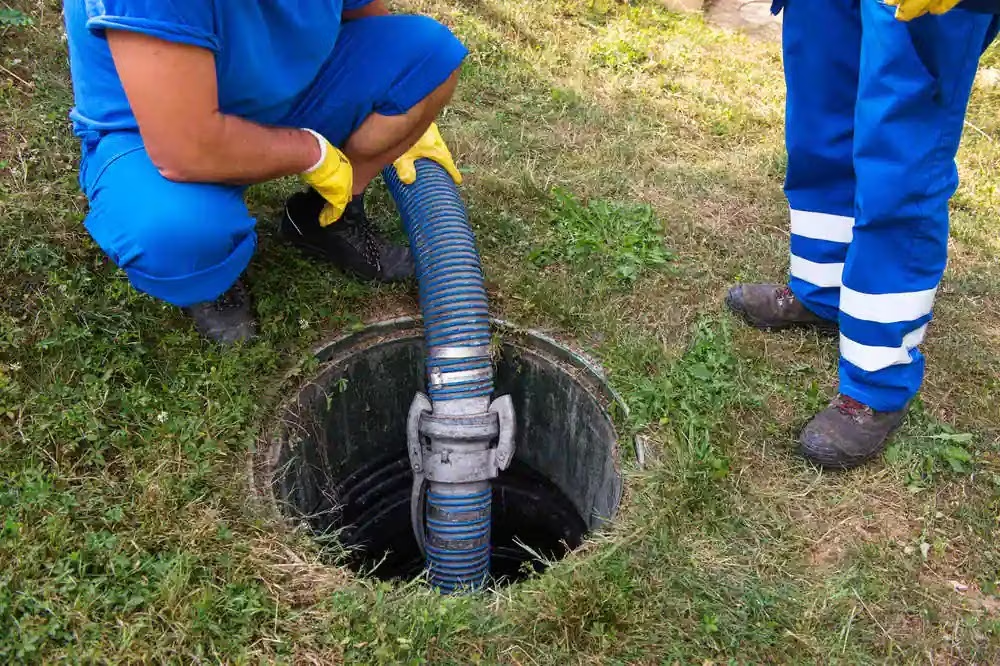
A severely blocked drain can quickly disrupt household routines. If wastewater is backing up into a sink, bathtub, or floor drain, continuing to use water may make the situation worse. In these cases, emergency drain cleanings may be needed to restore flow and prevent further overflow.
The immediate priority is to reduce water usage and avoid adding more pressure to the affected system. If sewage is present, homeowners should keep children and pets away from the area and avoid direct contact. Depending on the severity, professional cleaning may be necessary to remove the blockage safely.
Emergency cleaning can solve the immediate drainage problem, but repeated blockages deserve further investigation. If a drain keeps backing up despite cleaning, the underlying cause may involve damaged piping, root intrusion, or a structural issue in the sewer line. Treating the symptom repeatedly without addressing the cause can become expensive and frustrating.
Preventing Common Sewer Problems
Homeowners can take several practical steps to reduce the risk of sewer issues. Avoid flushing wipes, paper towels, feminine hygiene products, and other materials that do not break down easily. Even products marketed as flushable may contribute to blockages in certain systems.
Kitchen habits matter as well. Grease and cooking oil should be disposed of properly rather than poured down the sink. Over time, these substances can accumulate inside pipes and trap other debris.
Tree roots are another concern, particularly in older properties with aging clay or other vulnerable pipe materials. If a property has large trees near underground sewer lines, periodic inspection may help identify root intrusion before it causes a major blockage.
Regular attention to slow drains, unusual odors, and recurring backups can also make a difference. Early investigation is often less disruptive than waiting until wastewater enters the home.
Choosing a Qualified Sewer Service Provider
Sewer work requires specialized equipment and knowledge, especially when underground excavation or structural pipe repairs are involved. Homeowners should look for a properly licensed and insured contractor with experience in residential sewer systems.
Before approving work, ask for a clear explanation of the diagnosis, repair method, estimated cost, timeline, and cleanup responsibilities. It’s also worth confirming whether permits are required and whether the company provides a workmanship warranty.
A reliable professional should be willing to discuss alternatives when appropriate. The right solution is not always the largest or most expensive one. It should address the actual condition of the sewer system and make sense for the property.
Keeping Wastewater Systems Working as They Should
Sewer systems may be hidden from view, but their importance is felt every day. When they function properly, they help maintain sanitation, protect the home, and keep ordinary routines running smoothly. When they fail, the consequences can be unpleasant and costly.
The best approach is to pay attention to warning signs, avoid harmful disposal habits, and seek professional advice when drainage problems continue. Whether you’re planning a new installation, addressing damaged pipes, or dealing with an urgent blockage, informed decisions can help protect your property and reduce the chances of repeated sewer trouble.