Most homeowners don’t wake up excited about repairs. Usually, the first sign is something inconvenient: a dripping faucet, a strange mark on the ceiling, a door that suddenly won’t close properly, or water pooling somewhere it shouldn’t. It’s easy to think, “I’ll deal with that this weekend.” Then the weekend becomes next month.
That’s how small household problems sometimes turn into expensive ones.
A home is made up of dozens of connected systems, and a fault in one area can eventually affect another. Water can move behind walls. Poor drainage can affect foundations. A minor roof issue can become interior damage. The good news is that homeowners don’t need to become experts in every trade. They simply need to recognize warning signs, understand when professional help is appropriate, and act before a manageable issue becomes a crisis.
Don’t Dismiss the Small Warning Signs
A small problem doesn’t necessarily mean a major repair is coming. But it does mean something has changed.
Cracks that are getting larger, recurring moisture, unusual odors, damaged exterior materials, or systems that suddenly perform differently deserve some attention.
For homeowners, timely residential repairs can prevent minor defects from becoming larger projects. Fixing a damaged seal around a window, for example, may be relatively straightforward. Ignoring it while water repeatedly enters the wall assembly can lead to much more involved work.
The same idea applies throughout the house. If something repeatedly needs attention, don’t just keep treating the symptom. Find out why it keeps happening.
Water Is Usually the One to Watch
Water is incredibly useful inside a home and remarkably destructive when it gets somewhere it shouldn’t.
A slow leak under a sink may damage cabinetry and flooring. A plumbing leak behind a wall can remain hidden until stains, odors, or soft drywall finally reveal it. Poor exterior drainage can allow water to collect around the foundation.
Not every water problem is dramatic. Sometimes the earliest clue is a faint musty smell or a patch of paint that keeps bubbling.
If you’ve noticed unexplained moisture, investigate it sooner rather than later. Once water begins interacting with building materials, time isn’t always your friend.
When a Plumbing Problem Becomes Urgent
Some issues can wait for a scheduled appointment. Others can’t.
A burst pipe, major water leak, overflowing drain, failed water heater, or sewage backup can cause extensive damage in a short amount of time. In situations like these, emergency services can help limit the immediate impact while a permanent solution is arranged.
If safe to do so, shut off the relevant water supply and move valuables away from the affected area. If water is near electrical equipment or outlets, avoid contact and seek professional assistance.
The goal during an emergency isn’t to perform a perfect repair yourself. It’s to reduce damage and make the situation safe until qualified help arrives.
Finding a Leak Isn’t Always Simple
One of the frustrating things about household leaks is that the visible evidence can be far away from the actual source.
Water can travel through framing, insulation, ceilings, and flooring before it finally appears. That’s why replacing the damaged section you can see doesn’t always solve the problem.
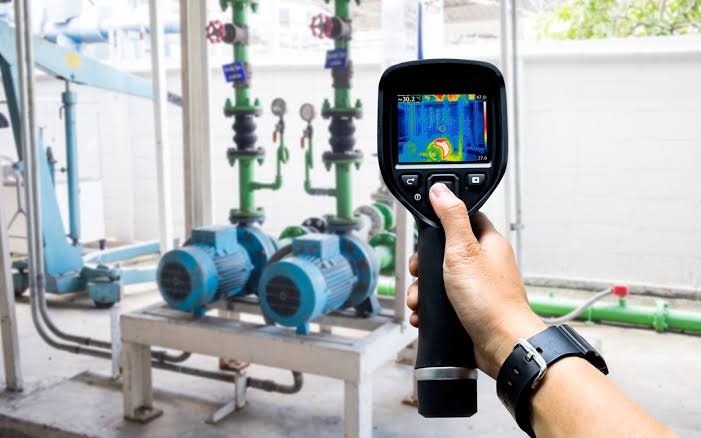
Professional leak detection and repair can involve tracing moisture back toward its source and evaluating surrounding areas for damage. Depending on the situation, professionals may use visual inspection, moisture measurements, pressure testing, or specialized equipment.
The exact approach depends on the building and the type of leak. The important part is finding the cause rather than repeatedly repairing the evidence.
Your Roof Deserves Attention Too
Roof problems often begin outside and eventually announce themselves indoors.
Missing shingles, damaged flashing, blocked drainage, or deteriorated roofing materials can allow water to enter the structure. A ceiling stain may be the first thing you notice, but the problem could have started much higher up.
After severe weather, inspect the property safely from the ground. Look for displaced materials, fallen branches, damaged gutters, and other obvious changes.
Never climb onto a wet or visibly damaged roof simply to take a closer look. A professional inspection is safer and usually provides a more useful assessment.
Keep Gutters and Downspouts Working
Gutters aren’t particularly glamorous, but they’re an important part of a home’s water-management system.
When gutters become clogged, rainwater can overflow against exterior walls or collect around the foundation. Downspouts that discharge too close to the house can create similar problems.
Cleaning gutters periodically and checking for leaks, loose sections, and poor drainage is a simple preventive step.
If water repeatedly pools in the same place after rainfall, don’t assume it will disappear permanently. Observe where the water is coming from and where it is going. That little bit of detective work can reveal a drainage problem worth addressing.
Don’t Forget What’s Happening Inside Walls
Walls can hide a surprising amount.
Plumbing lines, electrical wiring, insulation, structural components, and ventilation pathways may all be located behind finished surfaces. That’s why drilling, cutting, or opening walls without understanding what’s inside can create additional problems.
If you suspect hidden moisture, unusual electrical behavior, or structural damage, bring in the appropriate professional rather than relying on guesswork.
Sometimes the safest repair is the one that starts with a little investigation.
Maintenance Is Cheaper Than Panic
Routine maintenance isn’t particularly exciting. Nobody brags about cleaning a dryer vent or checking exterior caulking.
Still, these simple tasks can help catch problems early.
Check visible plumbing connections occasionally. Look beneath sinks for moisture. Pay attention to changes in water pressure. Inspect the attic for stains or damp insulation. Keep drainage systems clear. Watch for changes in exterior surfaces.
You don’t need a complicated maintenance calendar. A seasonal walk-through of the property can be enough to notice things that would otherwise be missed.
Know When DIY Stops Making Sense
There are plenty of household tasks homeowners can handle themselves. Replacing a basic fixture or tightening a loose cabinet handle is one thing. Working with electrical systems, gas lines, structural components, or significant water damage is another.
The danger isn’t only making the problem worse. It’s putting yourself or other people at risk.
When the job involves specialized equipment, permits, safety requirements, or hidden building systems, professional help is usually the sensible choice.
A good professional doesn’t just fix the immediate issue. They can explain what caused it and what you can do to reduce the chance of recurrence.
Ask Questions Before Work Begins
When hiring someone, don’t hesitate to ask what they found, what needs to be repaired, and why.
Request a written estimate when appropriate. Understand what materials will be used, what the expected timeline looks like, and whether additional work could become necessary if hidden damage is discovered.
Clear communication matters. A contractor who can explain a complicated problem in simple language is often much easier to work with than someone who throws technical terms at you and expects you to sign immediately.
Take your time. Urgency is sometimes real, but pressure isn’t a substitute for professionalism.
A Well-Maintained Home Feels Different
There is a certain peace of mind that comes from knowing the house is being looked after. The plumbing works. The roof keeps water out. Doors and windows seal properly. Small issues don’t sit around quietly becoming bigger ones.
You won’t prevent every problem. Homes age, storms happen, equipment fails, and sometimes things simply break.
What you can control is how quickly you respond.
Pay attention to unusual signs. Deal with water problems promptly. Keep up with basic maintenance. Call professionals when a repair goes beyond your experience or safety level.
In the long run, home care isn’t about chasing perfection. It’s about staying one step ahead of avoidable trouble. And that’s often the difference between a quick fix on an ordinary afternoon and a very expensive phone call on a very bad day.