Water is one of those everyday essentials we rarely question until something seems off. Maybe the shower leaves your skin feeling unusually dry. Perhaps your glasses come out of the dishwasher covered in cloudy spots, or the water from the kitchen tap has a strange taste. These small frustrations can be signs that your home’s water quality needs a closer look.
The good news is that improving household water doesn’t always require a complicated process. With the right testing, equipment, and ongoing care, homeowners can address common water concerns and make their water more comfortable to use. It starts with understanding what is actually happening inside your plumbing system rather than choosing a product based on guesswork.
Start by Understanding Your Water
Before installing a water treatment system, it’s important to identify the specific issues affecting your water. Different problems require different solutions, and no single system is designed to remove every contaminant or correct every concern.
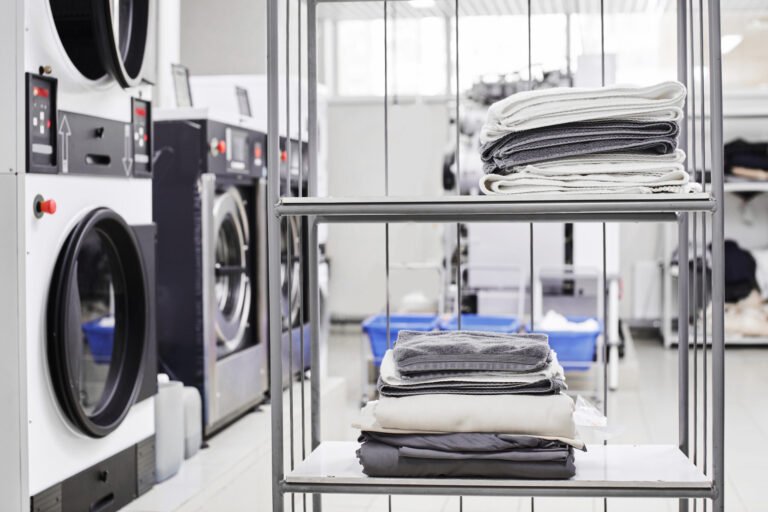
Hard water is one of the most common issues in many areas. It contains minerals such as calcium and magnesium, which can leave scale deposits on faucets, showerheads, and appliances. Hard water may also reduce soap lather, make laundry feel stiff, and cause mineral buildup inside water heaters.
Other households may notice chlorine odors, sediment, discoloration, metallic tastes, or unpleasant smells. Homes supplied by private wells can face additional concerns because groundwater quality may change over time. A professional water test can measure factors such as hardness, pH, iron, sediment, and other substances that may affect the water.
Testing gives homeowners a clearer starting point. Instead of purchasing equipment simply because it is popular, they can select a system that addresses the actual condition of their water.
Choosing the Right Water Treatment System
Once the water has been tested, the next step is deciding which type of treatment is appropriate. Water softeners, whole-house filters, reverse osmosis systems, and ultraviolet units all serve different purposes.
A water softener is primarily designed to reduce hardness minerals. It uses ion exchange to replace calcium and magnesium with sodium or potassium ions. This can help reduce scale, protect plumbing fixtures, and improve the performance of water heaters and washing machines.
Whole-house filtration systems are designed to treat water as it enters the property. Depending on the filter media, they may reduce sediment, chlorine, odors, and certain other impurities. This type of system is useful when homeowners want improved water quality throughout the house, including showers, laundry rooms, and bathroom sinks.
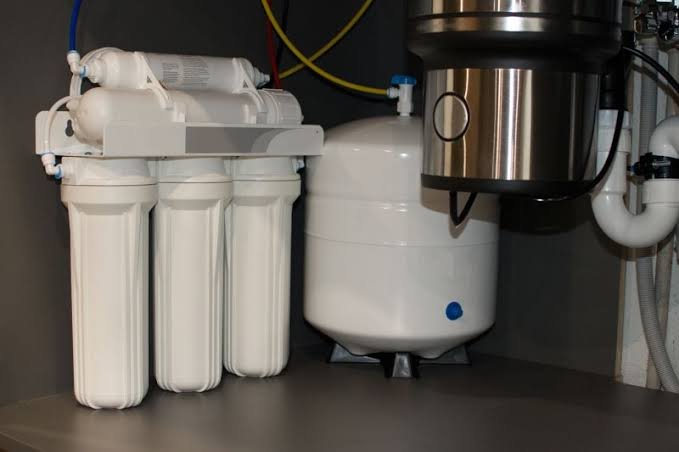
Reverse osmosis systems are commonly installed under the kitchen sink to provide filtered water for drinking and cooking. They can reduce many dissolved impurities and are often chosen by people who want a cleaner taste or an additional level of treatment for their drinking water.
Ultraviolet treatment may be useful for certain well-water applications. It works by using UV light to inactivate microorganisms, but it does not remove minerals, chemicals, or sediment. For that reason, it may need to be combined with pre-filtration.
The right choice depends on the water test, household usage, budget, and long-term expectations.
Why Better Water Can Make a Noticeable Difference
Many homeowners first become interested in water treatment because of a practical annoyance. They’re tired of scrubbing scale from faucets, replacing appliances too often, or buying bottled water for drinking. But the benefits can extend beyond convenience.
Softened water may help reduce mineral buildup in pipes and appliances. When scale is limited, water heaters and other equipment may operate more efficiently and require less frequent cleaning. Soap and shampoo can also rinse more easily, which may make showers feel more comfortable.
For drinking water, filtration can improve taste and odor, especially when chlorine or other substances affect the flavor. Some people notice that coffee, tea, soups, and even ice cubes taste different when made with filtered water. In that sense, better tastier water isn’t just a marketing phrase; it can change how a household experiences something it uses several times a day.
Still, expectations should remain realistic. A treatment system should be selected for measurable water concerns rather than vague promises. The best system is the one that solves the right problem reliably.
When to Request Professional Help
Some water issues can be difficult to identify without proper equipment. A smell may come from the water source, plumbing, or water heater. Staining could be related to iron, manganese, sediment, or corrosion. Guessing at the cause can lead to wasted money and temporary fixes.
If you notice a persistent change in taste, odor, color, or water pressure, it may be time to request service from a qualified water treatment professional. A technician can inspect the plumbing, discuss your concerns, test the water, and explain the available options.
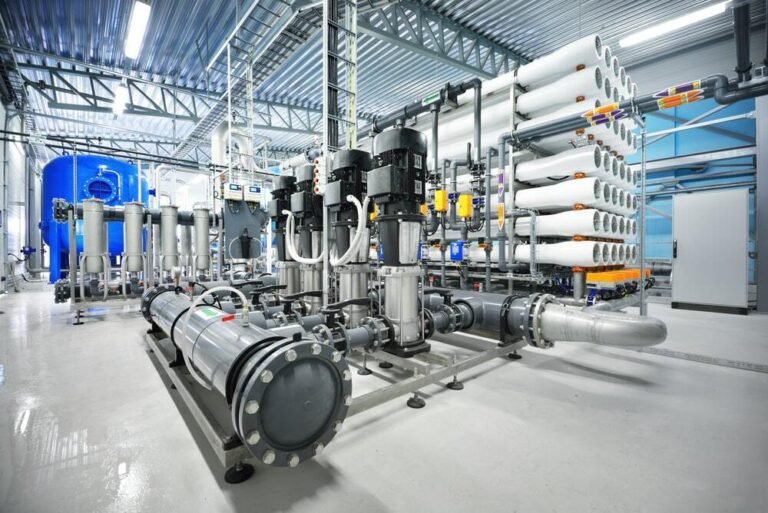
Professional guidance is particularly useful when dealing with well water, complex filtration systems, high household demand, or commercial applications. Proper sizing matters. A system that works for a small family may not be sufficient for a large home with several bathrooms or a business that uses water continuously.
A reputable provider should explain the purpose of the equipment, expected results, installation requirements, operating costs, and maintenance schedule before recommending a solution.
Installation Is Only the Beginning
A water treatment system is a long-term investment. Proper installation is important, but ongoing care is what helps preserve performance. Filters become saturated, softener salt levels drop, and membranes or UV components eventually need replacement.
Ignoring these tasks can reduce water quality and place unnecessary stress on the equipment. In some cases, an unmaintained system may perform worse than expected or allow the original water problem to return.
Homeowners should keep track of filter replacement dates and follow the manufacturer’s recommendations. Some systems require more frequent service than others, depending on water usage and contaminant levels. A household with several people may need to replace filters more often than a small apartment.
Regular maintenance also gives technicians an opportunity to inspect connections, check pressure, clean components, and identify small issues before they become expensive repairs. It’s a little like servicing a car: waiting until something fails is rarely the most affordable approach.
Think About the Whole Household
When selecting water treatment equipment, it’s easy to focus only on drinking water. However, water is used throughout the home, and different applications may require different levels of treatment.
Whole-house systems can improve water used for bathing, laundry, and cleaning, while a reverse osmosis unit can provide specialized treatment at the kitchen sink. In homes with well water, additional equipment may be needed to address iron, sulfur odors, sediment, or microbial concerns.
It’s also worth considering future needs. A growing family, a home renovation, or the addition of a water-intensive appliance may change household demand. Choosing a system with appropriate capacity can help avoid performance problems later.
A Better Approach to Everyday Water Quality
Improving your home’s water quality doesn’t have to feel overwhelming. Begin with testing, understand the results, and choose equipment based on the actual needs of your property. Avoid systems that promise to solve everything without explaining how they work.
With professional installation and consistent care, water treatment equipment can help reduce scale, improve taste, protect appliances, and make everyday tasks more pleasant. The goal isn’t simply to install another appliance in the garage or under the sink. It’s to create a water system that quietly does its job, day after day.
That kind of improvement may not seem dramatic at first. But when the water tastes better, fixtures stay cleaner, and appliances work more efficiently, the difference becomes part of daily life—and that’s often the most valuable result.