Water plays a central role in almost every part of modern life. At home, it is used for drinking, cooking, cleaning, bathing, and laundry. In commercial settings, water may be needed for food preparation, manufacturing, hospitality, healthcare, cooling systems, and equipment maintenance. When water quality is poor, the effects can extend far beyond an unpleasant taste or a stained sink.
Minerals, sediment, chemicals, and microorganisms can affect water in different ways. Some problems create visible damage, while others remain unnoticed without proper testing. Choosing the right treatment system requires more than selecting a popular product. It means understanding the water source, identifying the contaminants, and matching the treatment method to the actual need.
Why Water Treatment Matters in Different Settings
Residential and commercial properties often face different water challenges. A homeowner may be concerned about hard water, dry skin, scale buildup, or the taste of tap water. A business, on the other hand, may need consistent water quality to protect machinery, meet hygiene standards, maintain product quality, or avoid operational interruptions.
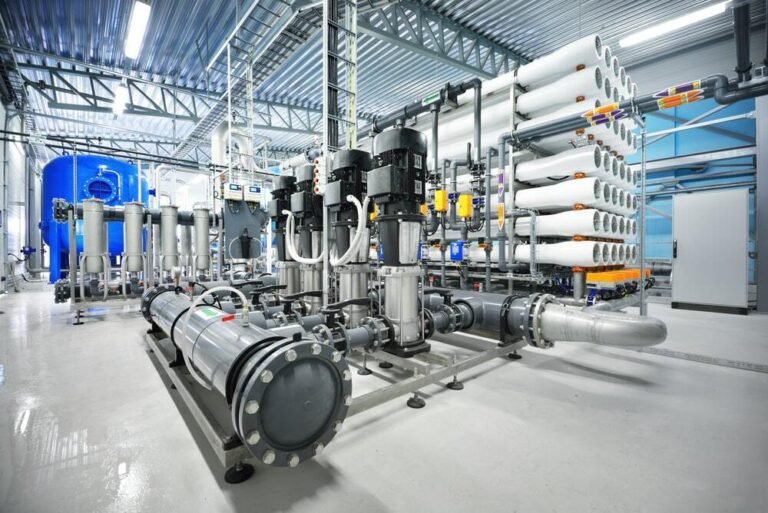
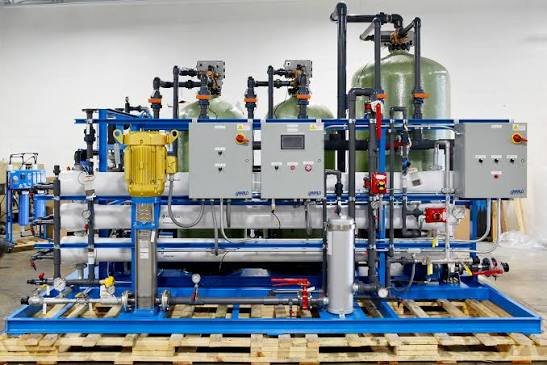
This is where commercial water treatment becomes especially important. Commercial systems are designed around higher water demand, specific performance requirements, and the consequences of inconsistent water quality. A restaurant, hotel, office building, or industrial facility may require a combination of filtration, softening, disinfection, or specialized purification.
The right system can help reduce maintenance costs, improve efficiency, and support reliable operations. But the system must be properly sized. Equipment that works well in a small home may not be suitable for a busy commercial property using thousands of litres of water each day.
Understanding the Most Common Water Problems
Before choosing treatment equipment, it helps to understand the problems that may be affecting the supply. Hard water is one of the most widespread concerns. It contains elevated levels of calcium and magnesium, which can create scale on plumbing fixtures, water heaters, dishwashers, and industrial equipment.
Iron and manganese may cause orange, brown, or black staining. Sediment can clog filters, reduce water pressure, and damage pumps or valves. Chlorine may affect taste and odour, while certain chemicals or microorganisms may create more serious concerns.
Not every problem is visible. Water can look clear and still contain contaminants that require testing. This is why a water analysis should usually come before a major treatment purchase. Without reliable information, it is easy to install a system that treats the wrong issue or fails to address the most important one.
How Water Softeners Help Manage Hardness
For properties affected by hard water, water softeners are a common and practical solution. These systems typically use an ion-exchange process to reduce calcium and magnesium in the water. In many traditional systems, the minerals are exchanged for sodium or potassium ions during treatment.
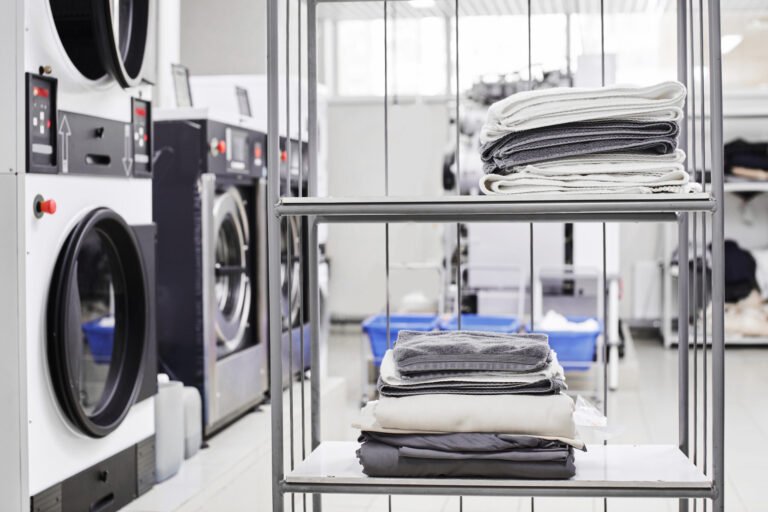
Reducing hardness can help prevent scale buildup inside pipes and appliances. Water heaters may operate more efficiently when mineral deposits are controlled, and fixtures may require less frequent scrubbing. Many people also notice that soap lathers more easily and laundry feels less stiff.
However, a water softener is not a universal filtration system. It is designed primarily for hardness, not for removing every contaminant. It may not address bacteria, sediment, certain chemicals, or unpleasant smells caused by other substances. In some cases, a softener should be installed alongside a sediment filter or another treatment stage.
Commercial properties must also consider regeneration frequency, salt use, wastewater discharge, and peak water demand. A system that is too small may struggle during busy periods, while an oversized unit may increase unnecessary operating costs.
The Role of Filtration Systems
Filtration systems are designed to reduce specific substances from water. The type of filter required depends on the contaminant. Sediment filters can remove particles such as sand, rust, and silt. Carbon filters are often used to reduce chlorine, certain organic compounds, and unpleasant tastes or odours.
Whole-house filtration can treat water as it enters a property, allowing multiple fixtures to receive filtered water. In commercial buildings, larger filtration systems may be installed at the main water entry point or at specific areas where water quality is especially important.
Filter selection should always be based on performance specifications. A filter may be effective against one contaminant but have little impact on another. Flow rate, pressure loss, replacement frequency, and maintenance costs also matter, particularly in businesses where water usage is continuous.
When Reverse Osmosis Makes Sense
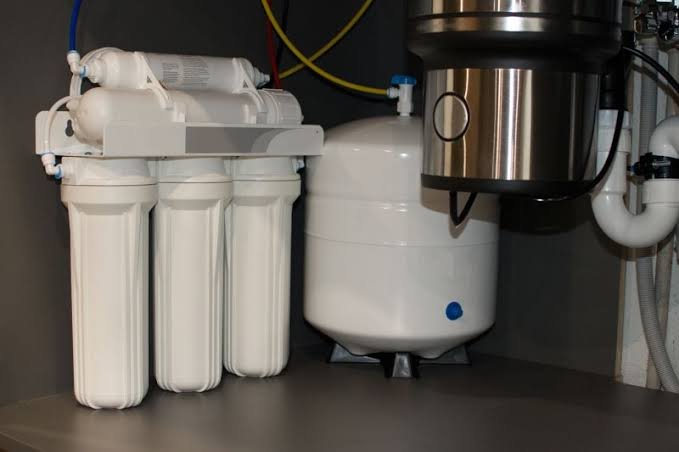
For applications requiring a higher level of purification, reverse osmosis can be a valuable option. This process pushes water through a semipermeable membrane that reduces many dissolved substances. Depending on the system and membrane quality, reverse osmosis can help lower levels of dissolved salts, certain metals, and other contaminants.
Reverse osmosis is widely used for drinking water, food service, laboratories, medical applications, and manufacturing processes. Restaurants may use it for coffee, ice production, or cooking, where water quality can influence flavour and equipment performance. Commercial operations may also use it when a specific production process requires low-mineral water.
Despite its benefits, reverse osmosis is not always necessary for every household or business. These systems can produce wastewater, require pre-filtration, and need regular membrane replacement. Water chemistry and usage patterns should be assessed before installation. In some situations, a simpler filtration method may be more economical and entirely adequate.
Disinfection and Microbial Protection
Some water supplies require treatment to control microorganisms. Bacteria, viruses, and other pathogens may enter water through damaged infrastructure, surface-water intrusion, flooding, or poorly maintained private wells. The appropriate disinfection method depends on the water source and the type of risk involved.
Ultraviolet disinfection uses UV light to inactivate many microorganisms without adding chemicals to the water. It is often used in homes, hospitality facilities, and commercial applications. However, UV systems work best when water is clear and properly pre-filtered because sediment and cloudiness can interfere with the light.
Chlorination and other chemical disinfection methods may be appropriate for larger or more complex systems. These methods require careful control, monitoring, and maintenance. A qualified water professional can help determine which approach fits the property’s needs.
Maintenance Should Be Part of the Plan
Water treatment equipment is only effective when it is maintained correctly. Filters need to be changed, softeners require salt or regeneration management, membranes must be replaced, and UV lamps need periodic servicing. Ignoring maintenance can reduce performance and may allow the original water problem to return.
Businesses should establish written maintenance schedules and assign responsibility for inspections. Commercial systems may also require performance monitoring, water testing, and service records to support operational or regulatory requirements.
Homeowners should follow manufacturer instructions and pay attention to changes in taste, pressure, odour, or water appearance. These changes may signal that a filter is exhausted or that the source water has changed.
Making a Practical Treatment Decision
The most suitable water treatment system is not necessarily the biggest, most expensive, or most technologically advanced option. It is the one that addresses the actual water problem, fits the property’s usage, and can be maintained over time.
Start with testing. Review the results with a qualified professional, compare treatment options, and consider both installation and long-term operating costs. Ask what each system removes, what it does not remove, how often it needs maintenance, and whether replacement parts are readily available.
Clean, reliable water supports comfort, health, efficiency, and productivity. Whether the goal is protecting a family home or keeping a commercial operation running smoothly, informed treatment decisions can prevent avoidable problems and provide dependable water quality for years to come.