Water treatment is one of those things people rarely think about until something starts to feel wrong. A tap may release cloudy water, a showerhead may develop white scale, or a glass of drinking water may carry an unusual taste. In commercial settings, the signs can be more costly: clogged equipment, inconsistent production, damaged plumbing, or frequent maintenance interruptions.
The good news is that modern water treatment offers practical ways to address many of these concerns. The challenge is knowing which technology suits the water source, the intended use, and the property’s daily demands. A drinking-water system, swimming pool, private well, and industrial facility all require different considerations. Choosing carefully at the beginning can save money, time, and plenty of frustration later.
Start by Understanding the Water
Before investing in treatment equipment, it is important to understand what is actually present in the water. Water may contain sediment, chlorine, hardness minerals, iron, sulfur, dissolved salts, or microorganisms. Some issues are visible, while others require proper testing to identify.
A water quality test can provide useful information about pH, hardness, total dissolved solids, chlorine, iron, nitrates, and bacteria, depending on the test selected. Municipal water users may be concerned about taste, odor, or aging household plumbing. Private well owners may need to pay closer attention to seasonal changes, mineral content, and microbial risks.
Testing helps prevent a common mistake: buying a system based on a general promise rather than a specific need. A filter designed to capture dirt and rust, for example, will not necessarily remove dissolved minerals. Likewise, a softener is not a complete purifier, and a UV unit cannot remove chemical contaminants.
The more clearly the problem is understood, the easier it becomes to choose equipment that genuinely helps.
The Role of Cartridge Filtration
For many water systems, cartridge filtration is a practical starting point. Cartridge filters are designed to capture suspended particles as water passes through a replaceable filter element. Depending on the cartridge type and micron rating, they may reduce sediment, sand, rust, silt, and other unwanted particles.
These filters are used in homes, offices, pools, food-service settings, and commercial applications. Their popularity comes partly from their straightforward design. They are usually easy to inspect and replace, and different cartridge materials are available for different purposes.
However, cartridge selection matters. A coarse sediment cartridge may be suitable for larger particles, while a finer filter can capture smaller debris but may clog more quickly. Some cartridges are made from pleated materials, while others use spun polypropylene, carbon, or specialized media.
Flow rate is another important consideration. A filter that works well under a kitchen sink may not be suitable for an entire building. If the cartridge is too small for the water demand, it can restrict flow and require frequent replacement. Proper sizing should account for peak usage, pressure, water quality, and the manufacturer’s recommendations.
Managing Water Chemistry with Chemical Feed Systems
Filtration is not always enough, especially in applications where water chemistry must be carefully controlled. Swimming pools, cooling towers, industrial processes, agricultural systems, and some treatment facilities may require measured chemical dosing to maintain safe and stable conditions.
This is where chemical feed systems become valuable. These systems introduce controlled amounts of treatment chemicals into a water stream. Depending on the application, they may be used for disinfection, pH adjustment, corrosion control, scale prevention, or algae management.
One major advantage is consistency. Manual chemical dosing can be inaccurate, particularly in larger systems where water conditions change throughout the day. A properly calibrated dosing pump or feeder can deliver chemicals at a controlled rate, helping maintain more predictable water chemistry.
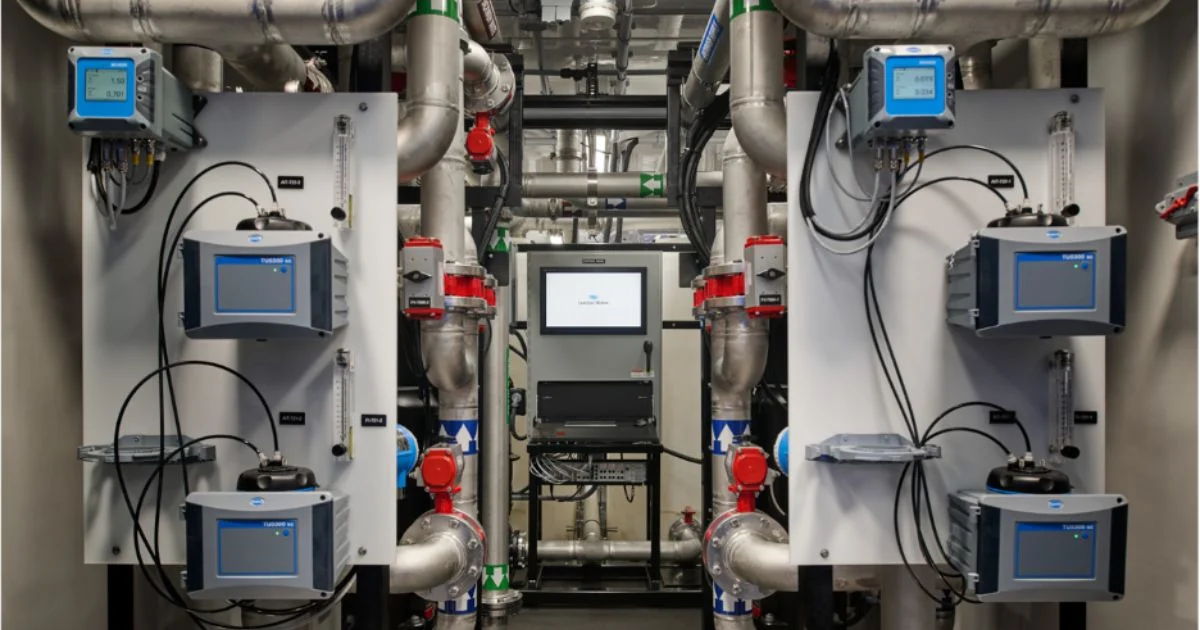
Still, chemical feed equipment should never be treated as a set-it-and-forget-it solution. Operators need to monitor water conditions, inspect tubing and injection points, check chemical levels, and calibrate equipment as required. Chemicals must also be stored safely and kept away from incompatible substances.
Using too little treatment may leave water inadequately managed, while excessive dosing can damage equipment or create safety concerns. Accurate testing and responsible handling are essential parts of the process.
Understanding Reverse Osmosis Technology
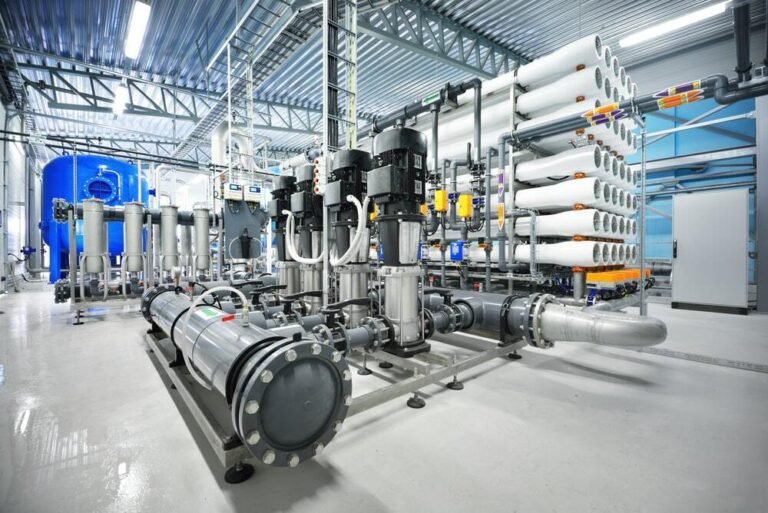
When the main concern involves dissolved substances rather than visible particles, reverse osmosis may be worth considering. Reverse osmosis (RO) systems use pressure to push water through a semipermeable membrane. The membrane allows water molecules to pass while reducing many dissolved salts, minerals, and other contaminants.
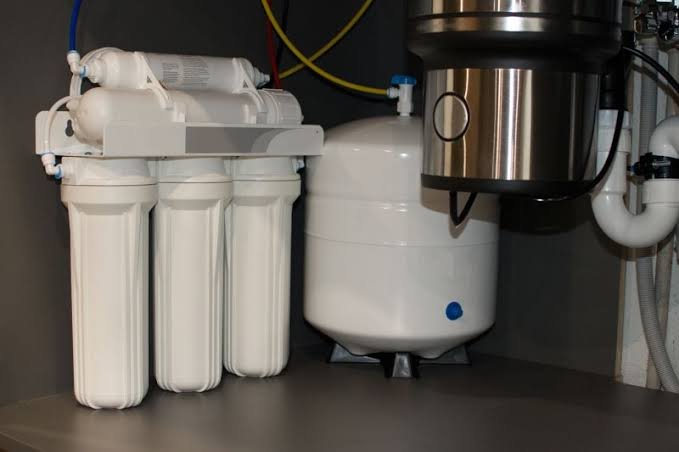
RO systems are commonly used for drinking water, food and beverage production, laboratories, hospitality facilities, and other applications where lower dissolved-solids levels are desired. In homes, they are often installed beneath a kitchen sink or integrated into a dedicated drinking-water setup.
Most RO systems include several stages. A sediment filter helps protect the equipment from particles, while carbon filters may reduce chlorine and compounds that could damage the membrane. The RO membrane performs the primary separation, and a final filter may improve taste before the water reaches the outlet.
There are a few practical details buyers should understand. RO systems generally produce some wastewater, although newer designs may improve water efficiency. They also require regular filter and membrane replacement. Storage tanks, water pressure, installation space, and daily water demand should be considered before choosing a unit.
RO is powerful, but it is not always necessary for every household. If the main issue is sediment or chlorine taste, a simpler filtration method may be more appropriate.
Combining Technologies for Better Results
Many water treatment systems work best when several technologies are arranged in a logical sequence. Each component can focus on a particular task instead of forcing one device to handle every problem.
For example, a private well system may begin with a sediment filter to remove sand and rust. A carbon filter might follow to improve taste and odor, while a softener could address hardness. If microbial concerns are present, a UV unit may be added after adequate pre-filtration. A separate RO system could then provide additional treatment for drinking water at a specific tap.
The order of equipment matters. Sediment filtration is often placed before sensitive components to protect them from particles. Carbon filtration may be used before reverse osmosis to protect the membrane from chlorine. Chemical dosing may require specific injection points, contact time, and monitoring equipment.
A professional assessment can be helpful when water conditions are complex or the system serves a large property. The goal is not to install the most equipment possible. It is to create a balanced treatment process that is effective, manageable, and properly sized.
Maintenance Keeps Equipment Working
Even the best water treatment technology needs routine care. Filters become loaded, membranes lose efficiency, chemical pumps require inspection, and fittings can wear over time. Ignoring maintenance can reduce water quality and increase operating costs.
Create a simple service schedule based on water usage and manufacturer guidance. Record filter changes, membrane replacements, chemical checks, and water test results. Watch for changes in pressure, taste, odor, or flow, as these may signal a developing problem.
It is also worth checking replacement-part availability before purchasing equipment. A system may perform well, but if its cartridges, seals, pumps, or membranes are difficult to source, maintenance can become unnecessarily stressful.
Making the Right Long-Term Choice
Choosing water treatment equipment is ultimately about matching technology to need. Cartridge filtration can handle many common particle-related problems, chemical feed systems support controlled water chemistry, and reverse osmosis can reduce a wide range of dissolved contaminants. Each has a place, but none should be selected without considering the water conditions and intended application.
Start with testing, compare system specifications, and think beyond the initial purchase price. Installation, energy use, replacement parts, maintenance, wastewater, and technical support all affect the true cost of ownership.
Clean water is not achieved through a single product alone. It comes from thoughtful system design, responsible operation, and regular care. With the right approach, water treatment equipment can protect plumbing, support safer water use, improve efficiency, and provide dependable performance for years to come.