Water is such a normal part of home life that it’s easy to forget how much we depend on it. We drink it first thing in the morning, cook with it, shower in it, wash clothes with it and use it to keep the house running. So when the water starts tasting strange, leaving spots on fixtures, or causing problems with appliances, it can feel like a small issue that somehow keeps getting bigger.
The good news is that improving household water quality doesn’t have to be complicated. There are different treatment options for different concerns, and the smartest approach is usually to understand the water first instead of immediately buying equipment.
Start With a Simple Water Assessment
Before choosing a filtration system, take a closer look at the water coming into your home. Where does it come from? Is it supplied by a municipal utility or a private well? Have you noticed changes in taste, smell, color or mineral buildup?
Testing can answer questions that your eyes and nose can’t. Depending on the situation, testing may look at hardness, pH, iron, sediment, chlorine and other characteristics. If you’re concerned about a particular contaminant, targeted testing may be appropriate as well.
This first step can save a surprising amount of money. There’s no sense installing a sophisticated system to solve a problem your home doesn’t actually have.
What Drinking Water Filtration Can Do
For many households, the main concern is simply making tap water more pleasant to drink. Maybe there’s a chlorine taste, an unusual odor or a lingering flavor that makes bottled water seem more appealing.
A properly selected drinking water filtration system can address certain taste, odor and contaminant concerns, depending on its filtration technology. Activated carbon, for example, is commonly used to improve taste and reduce certain compounds, while other technologies target dissolved substances.
The important word here is “selected.” Filters aren’t interchangeable. A filter designed for chlorine reduction isn’t automatically designed for lead, PFAS, bacteria or every other substance that could potentially be present in water.
Think About What You Actually Want to Improve
Not every water problem is a health concern. Some are simply annoying.
Hard water can leave white deposits on faucets and shower doors. Iron can create orange staining. Sediment may make water appear cloudy. Certain naturally occurring compounds can produce unpleasant odors.
These issues can affect daily life without necessarily making the water unsafe.
That’s why a water-quality conversation should begin with a clear goal. Do you want better-tasting drinking water? Less scale? Fewer stains? Protection for appliances? Or reduction of a specific contaminant?
Once the goal is clear, treatment choices become much easier to understand.
When Reverse Osmosis Makes Sense
Some homeowners want more than basic filtration for their drinking and cooking water. Reverse osmosis is one option worth considering when the objective involves reducing many dissolved substances.
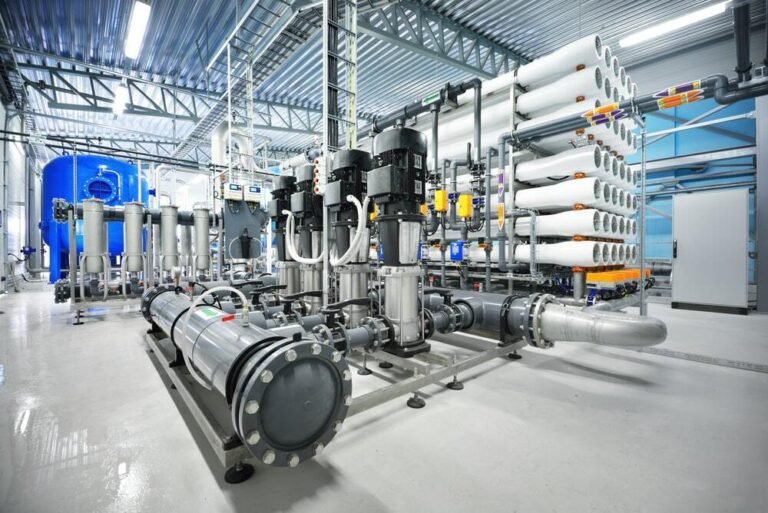
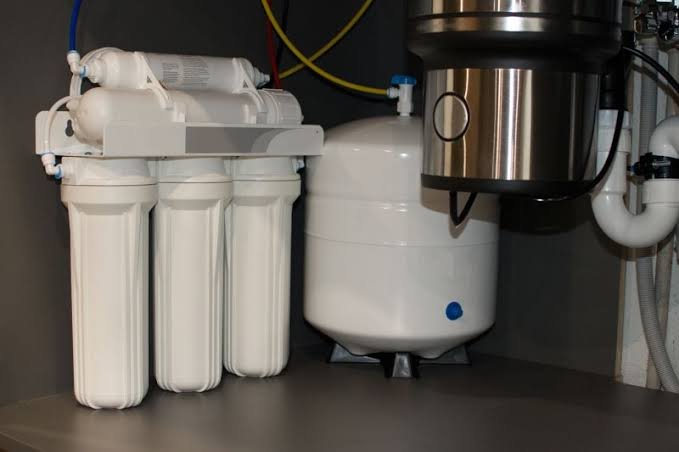
reverse osmosis & tankless ro systems use a semipermeable membrane to separate water from many dissolved materials. Tankless designs are especially appealing in modern kitchens because they can provide treated water without the traditional storage tank taking up as much cabinet space.
That doesn’t mean reverse osmosis is automatically the best option. The system can produce wastewater, requires filter and membrane replacement, and may perform differently depending on incoming water pressure and chemistry.
Good installation and appropriate pretreatment can make a major difference.
Whole-Home Problems Need a Different Perspective
A kitchen filter can be excellent at providing better drinking water, but it won’t necessarily solve problems affecting every faucet in the house.
If hard water is creating scale in showers, laundry equipment and water heaters, for example, treatment at the point where water enters the property may be more practical.
The same applies to certain odors, sediment issues or other water-quality concerns that affect the entire plumbing system. In these cases, whole-house treatment can provide a more consistent solution.
It comes down to location. Treat the water where the problem actually matters.
Understanding Water Conditioning
Water conditioning is a broad term, and that can sometimes create confusion. Different conditioning systems may address hardness, scale, taste, odor or other characteristics, depending on their design.
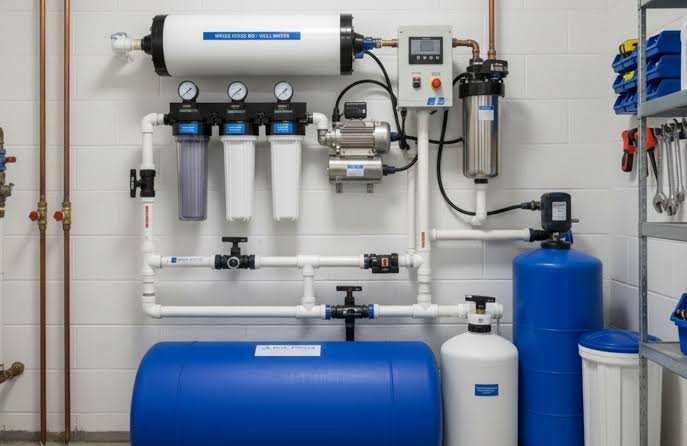
For households dealing with several concerns, water conditioning & refining may involve combining different treatment technologies rather than relying on one piece of equipment.
For example, a system might include sediment filtration followed by treatment for hardness and then a separate drinking-water filter in the kitchen. The exact configuration should come from the water test and household requirements, not from a one-size-fits-all package.
A good treatment plan is often less about having more equipment and more about having the right equipment.
Don’t Overlook Hard Water
Hard water deserves attention because its effects can accumulate slowly.
Calcium and magnesium can form scale inside pipes and appliances. Water heaters may become less efficient when mineral deposits build up. Shower fixtures can become difficult to clean, and laundry may not feel as soft.
A conventional water softener can reduce hardness minerals through ion exchange. Other systems may focus on reducing scale formation without removing hardness in the same way.
Neither approach is automatically right for every home. The water chemistry and homeowner’s goals should guide the decision.
Maintenance Matters More Than People Think
Buying a water-treatment system is only part of the process.
Filters need replacement. Membranes eventually wear out. Softening systems may require salt replenishment. Certain systems need cleaning, sanitization or periodic inspections.
Ignoring maintenance can gradually reduce performance. And because the equipment is usually tucked away in a basement, garage or cabinet, it’s easy to forget about it.
Before purchasing, ask about the maintenance schedule and ongoing costs. Find out which components need replacement and whether those parts are readily available.
A system that’s easy to maintain is much more likely to keep doing its job.
Don’t Let Marketing Make the Decision
Water-treatment advertising can be persuasive. Words like “pure,” “advanced,” “complete” and “maximum protection” sound reassuring, but they don’t tell you exactly what a system removes.
Look for specific performance claims. If a system is intended to reduce a particular contaminant, check whether there is credible testing or certification supporting that claim.
Also ask what the system does not remove. That’s often just as important.
A reputable professional should be willing to explain the limitations rather than promising that one machine can solve every possible water problem.
A Good System Should Fit Into Real Life
The best treatment system isn’t necessarily the largest, newest or most expensive one.
It should fit your household’s water usage, available space, plumbing configuration and budget. It should address the actual water-quality issues you’ve identified, and its maintenance requirements should be realistic for your routine.
If you have a growing family, are renovating the kitchen or planning to add another bathroom, those plans should be considered before installation. A little foresight can prevent expensive changes later.
Better Water Starts With Better Information
There is no need to turn water treatment into a guessing game.
Test the water when appropriate. Identify the problem. Decide where treatment is needed. Then choose technology based on evidence rather than marketing promises.
For one household, a simple carbon filter may be enough. Another may benefit from whole-home treatment, a softener or a reverse osmosis system. Some homes may need a combination.
The goal isn’t to create laboratory-perfect water. It’s to make your home’s water more suitable for the way you live.
When the right system is installed and maintained properly, the improvement can become almost invisible. The coffee tastes better. The shower glass stays cleaner. Appliances have less mineral buildup. The water simply feels more pleasant.
And that’s often the best kind of home improvement—the kind you notice every day without having to think about it.