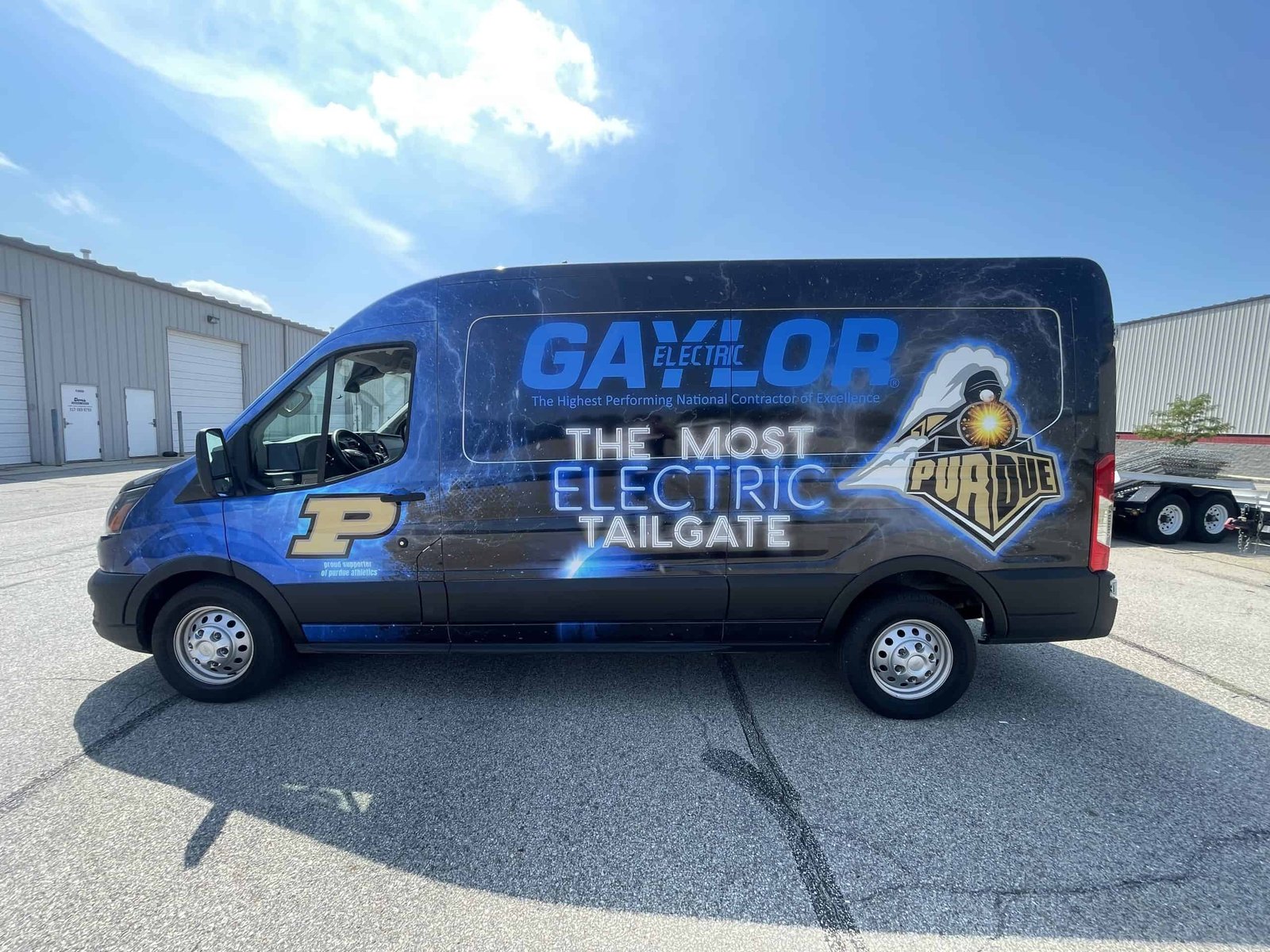
Good branding isn’t always about having the biggest sign or the flashiest design. Often, it comes down to the small details—how cleanly something is installed, how easy it is to read, and whether the finished result actually looks like it belongs to the business.
That’s why professional installation deserves more attention than it usually gets. A great design can lose its impact when it’s applied poorly. Wrinkles, bubbles, uneven edges, crooked lettering or badly positioned graphics can make an otherwise polished business look rushed. Nobody wants that, especially when the branding is one of the first things customers see.
Whether you’re branding a vehicle, storefront, office, trailer or retail space, the installation process can make a surprisingly big difference.
Good Design Needs a Good Finish
It’s easy to focus on the artwork. Colors, fonts, logos and images are fun parts of the process, after all. But once the design is printed, the real work begins.
Different surfaces behave differently. Glass, painted metal, textured walls and curved vehicle panels each have their own challenges. A graphic that works beautifully on a flat surface may need adjustments when it’s installed around corners, handles or seams.
An experienced installer understands those details.
They also know how to prepare the surface properly. Dust, grease, moisture and old residue can affect adhesion and create problems later. Taking a little extra time before installation can prevent a lot of headaches.
Custom Decals Can Add Personality
Not every business needs a complete visual makeover. Sometimes a smaller branding element can make the right impression.
Custom decals are useful for businesses that want to add logos, service information, promotional messages or creative graphics without covering an entire surface. They can be applied to vehicles, windows, doors, equipment and other suitable areas.
For example, a local electrician might place a simple logo and phone number on a work van. A café could use window lettering to highlight opening hours or a seasonal promotion. A small retailer might add a logo to delivery vehicles.
The possibilities are broad, and that’s part of the appeal.
The important thing is to keep the design readable. A decal isn’t helpful if customers need to stand three feet away and squint at it.
Choosing the Right Material Matters
A graphic may look fantastic when it is first installed, but branding is expected to survive real-world conditions.
Outdoor applications have to deal with sunlight, rain, dust, temperature changes and regular cleaning. Vehicles face even more abuse from road grime, pressure washing and everyday wear.
That makes material selection important.
A professional provider should be able to explain which material is suitable for the intended surface and environment. Sometimes paying a little more for a durable option makes financial sense because it reduces the need for early replacement.
It’s not always about buying the most expensive material. It’s about buying the right one.
Branding Should Be Easy to Understand
People don’t spend much time looking at business graphics. A passing driver may have only a couple of seconds to notice a vehicle. A pedestrian walking past a storefront might glance at a sign and keep moving.
This is why simplicity works.
A strong design usually makes the most important information obvious. The business name, logo and primary service should stand out. Contact information should be easy to find without overcrowding the design.
Trying to communicate everything at once can actually weaken the message.
Think of branding like a short conversation. You want people to understand the important part before they walk away.
Consistency Builds Recognition
A business becomes easier to remember when its visual identity stays consistent.
That doesn’t mean every surface needs to look identical. Instead, the same colors, typography, logo treatment and general style can appear across different customer touchpoints.
This is where physical branding can connect with broader marketing materials.
A company might use the same visual identity on business cards, brochures, packaging, vehicles, storefront graphics and social media. When customers encounter those elements repeatedly, the brand begins to feel familiar.
And familiarity matters. People naturally tend to feel more comfortable with businesses they recognize.
Installation Is About More Than Appearance
There’s another benefit to hiring an experienced installer: problem prevention.
Poor installation can cause peeling edges, trapped air, lifting corners and premature wear. In some cases, removing and replacing a badly installed graphic can cost more than having it installed correctly in the first place.
A skilled installer also knows how to work around difficult areas. Door handles, rivets, curves, seams and irregular surfaces can all affect the final result.
These aren’t glamorous details, but they’re exactly the kind of things that separate a professional finish from an average one.
Don’t Forget Maintenance
Once branding is installed, it still needs a little care.
Regular cleaning can help keep graphics looking fresh, particularly on vehicles and storefronts exposed to dirt and pollution. However, aggressive chemicals, abrasive tools and improper washing techniques can damage certain finishes.
Businesses should ask about recommended cleaning methods and maintenance requirements before installation.
It’s a small step, but it helps protect the investment.
Think About the Customer’s Perspective
Before approving a design, step outside the business mindset for a moment.
Imagine you’re a customer seeing the graphic for the first time. What do you notice first? Can you tell what the company does? Is the phone number readable? Does the design feel trustworthy? Is anything confusing or unnecessary?
Sometimes getting another person’s opinion is useful. The business owner knows every detail of the company, so they may not notice that a particular message is unclear to someone seeing it for the first time.
Fresh eyes can catch things.
Quality Branding Is an Investment
Good business branding isn’t simply an expense. When done well, it can work for the company every day.
A branded vehicle can advertise while driving through town. A storefront graphic can greet customers before they enter. A cleanly installed decal can reinforce a company’s identity every time someone sees it.
But none of this works quite as well when the execution feels careless.
The best results come from combining thoughtful design, appropriate materials, careful preparation and skilled installation. You don’t necessarily need something extravagant. You just need something that feels intentional.
In the end, professional branding should make a business look like it takes pride in what it does. And that impression—quiet, visual and sometimes almost subconscious—can be worth far more than a flashy advertisement that people forget five minutes later.