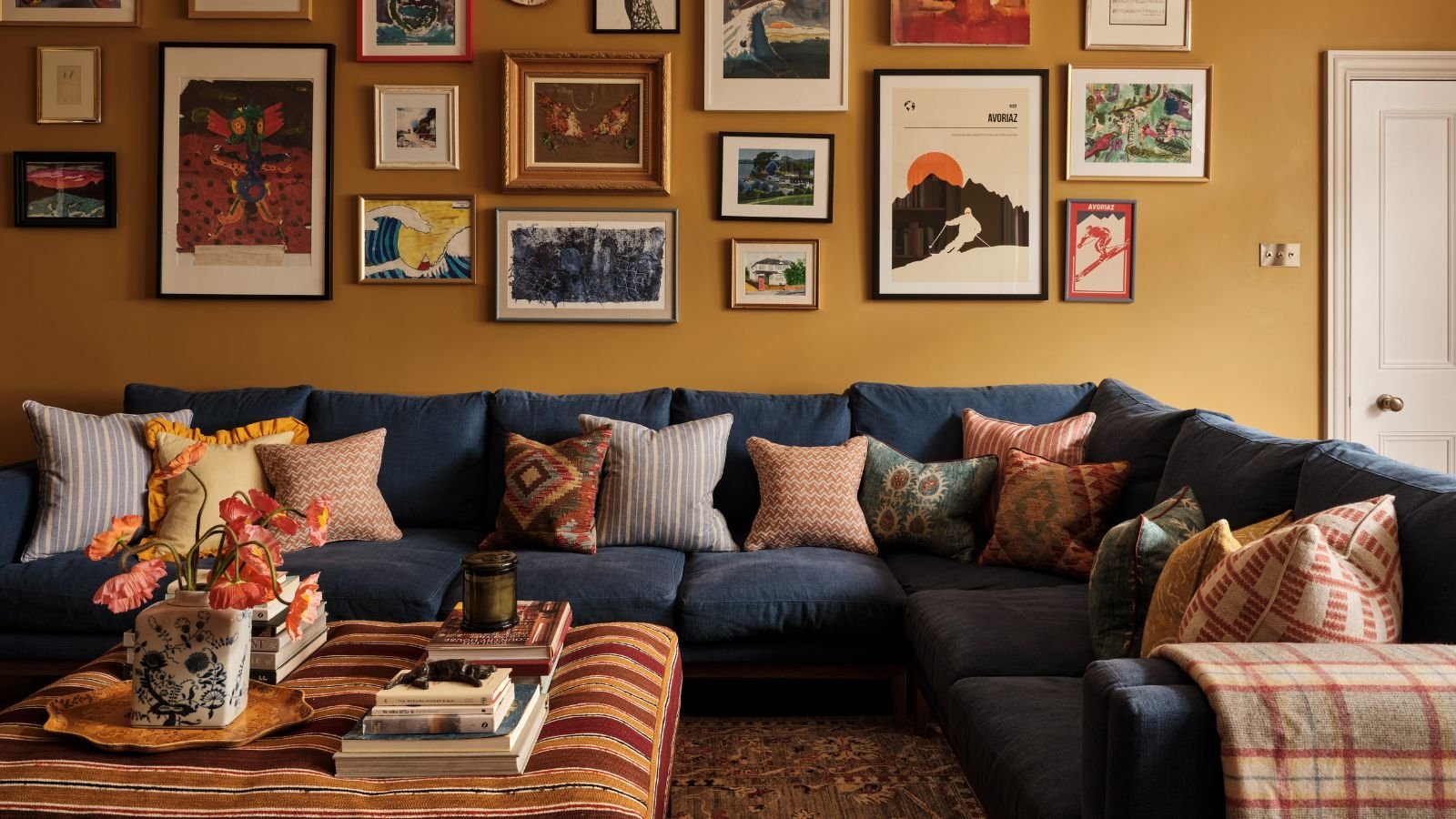
There’s a funny moment that happens in many home projects. The construction is finished, the walls are painted, the floors are spotless, and everyone takes a breath. Technically, the house is done.
Yet somehow, it doesn’t quite feel finished.
The rooms may be beautiful, but they can still feel a little too empty, too quiet, almost like a showroom waiting for someone to arrive. That final sense of warmth usually comes from the things that bring scale, texture, personality, and comfort into the space. Furniture, fabrics, artwork, lighting, rugs, and accessories are not simply decorative extras. They’re what help a carefully planned interior become somewhere people actually want to spend time.
A well-designed room needs an atmosphere, not just a floor plan.
Furniture Gives a Room Its Character
Architecture creates the bones of a home, but furniture determines much of how those bones are experienced. A room with tall ceilings and beautiful windows can still feel cold if the furniture is too small or arranged without much thought.
The right sofa can make a large living room feel inviting. A generous dining table can encourage long dinners and conversations that somehow stretch well past dessert. A comfortable chair in a quiet corner can turn an overlooked space into a favorite reading spot.
This is where proportion becomes important.
Furniture should relate to the scale of the room and to the people using it. A petite chair may look elegant in a photograph but become surprisingly uncomfortable for everyday use. On the other hand, an enormous sectional might swallow a smaller room. There’s no magic measurement that works everywhere. Context matters.
And sometimes, the best arrangement isn’t the one that looks most symmetrical. Real homes have movement. People walk through them, gather in corners, pull chairs closer, and shift things around.
The Pieces You Live With Matter
It’s easy to underestimate how much furniture affects daily life.
A sofa isn’t just a visual anchor. It’s where someone may drink morning coffee, answer emails, watch a movie, read a book, or take an accidental Sunday afternoon nap. Dining chairs need to be comfortable enough for a long meal. Bedroom furnishings should encourage rest rather than simply fill empty space.
When selected thoughtfully, furnishings complete a space by giving it function as well as visual balance. They establish scale, create conversation areas, soften hard architectural surfaces, and introduce textures that make rooms feel less formal.
That doesn’t mean everything has to match. In fact, perfectly coordinated furniture can sometimes make a room feel strangely impersonal.
A little contrast is usually more interesting.
Upholstery Can Change the Entire Mood
Fabric is one of those details that can quietly transform an interior.
A linen sofa has a different personality from a velvet one. A textured wool chair feels different from a smooth leather piece. Even subtle differences in weave, weight, and color can affect how a room feels.
For homeowners who want something particularly tailored, custom upholstery offers room to make furniture more personal. The choice of fabric, piping, cushion density, dimensions, and finish can all be considered together. A bench can be made to fit an unusually narrow hallway. A window seat can be designed around a specific cushion depth. An old chair with good bones can sometimes be reupholstered instead of replaced.
There’s also a practical benefit. Custom work allows homeowners to think about how a piece will actually be used.
A beautiful fabric isn’t necessarily a good choice for every household. High-traffic rooms may need durable textiles, while a quieter sitting room can handle something more delicate. The best choice is usually the one that balances beauty with real life.
Texture Keeps Rooms From Feeling Flat
Color gets a lot of attention in interior design, but texture deserves just as much.
Imagine a room with painted walls, smooth flooring, polished cabinetry, and glossy surfaces everywhere. Even if the color palette is lovely, the space might feel a little sterile.
Now introduce a woven rug, a linen curtain, a rough stone surface, a wooden table, and a soft upholstered chair. Suddenly there’s variation. Light behaves differently across each material. The room becomes more interesting without needing louder colors.
Texture is especially useful in neutral interiors. Cream, beige, taupe, gray, and soft white can look sophisticated when different materials are layered thoughtfully. Otherwise, they can quickly become monotonous.
The trick is to let the textures support one another rather than compete.
Accent Pieces Tell the Personal Story
A home shouldn’t feel as though every object was purchased from the same showroom on the same afternoon.
The most memorable interiors usually have a sense of discovery. Maybe there’s an antique mirror picked up while traveling. A piece of pottery from a local artist. An inherited painting. A strange little sculpture that doesn’t quite match anything else but somehow makes the room better.
These one-of-a-kind accent pieces bring personality into a space because they carry a story. They give guests something to ask about and homeowners something to remember.
Not every accessory needs to be valuable, either. Meaning matters more than price. A framed handwritten recipe, an old photograph, or a collection of books can say far more about a household than a perfectly styled decorative object ever could.
Don’t Forget the Walls
Once furniture is installed, walls can suddenly seem much larger than expected.
Artwork helps bring visual weight upward and can establish the mood of a room. But hanging art isn’t simply a matter of filling empty wall space.
Scale matters. A tiny frame above a large sofa can disappear, while an oversized piece may overwhelm a narrow wall. Groups of smaller works can create a collected feeling, especially when the frames share some visual relationship.
Mirrors can also be useful, particularly in darker or smaller areas. They reflect light and can make a space feel more open without physically changing its dimensions.
And then there are shelves. Bookshelves, built-ins, and open niches offer opportunities for displaying objects that make the home feel lived in rather than staged.
Lighting Brings Everything Together
Even the most carefully selected furnishings can lose their impact under poor lighting.
Layered illumination tends to work best. Overhead lighting provides general brightness, while floor lamps, table lamps, sconces, and accent lighting create softer pools of light throughout the room.
This becomes especially important in the evening.
A home that looks beautiful in natural daylight can feel completely different after sunset. Warm, lower-level lighting can make upholstered furniture, wood finishes, artwork, and textured surfaces feel richer and more intimate.
Dimmer controls are helpful, too. After all, you don’t need the same amount of light for cleaning the kitchen as you do for having a quiet dinner.
Let the Room Breathe
There’s one mistake that can happen when people get excited about decorating: adding too much.
Every shelf doesn’t need an object. Every wall doesn’t need artwork. Every corner doesn’t require a chair, lamp, plant, or basket.
Negative space is part of the design.
Leaving some breathing room allows the pieces that really matter to stand out. It also makes the home easier to live in. There’s a difference between a richly layered room and a cluttered one, and that difference often comes down to restraint.
Sometimes taking one thing away makes the whole room work better.
A Finished Home Should Still Feel Like Yours
The goal of furnishings and accessories isn’t to create a picture-perfect interior that nobody wants to touch. A successful home should feel comfortable enough for ordinary life and distinctive enough to reflect the people living there.
That might mean a beautifully tailored sofa beside a scratched coffee table that has been in the family for years. It might mean expensive artwork hanging near children’s drawings. It might mean a formal dining room that gets used for homework three days a week.
That’s the good stuff.
The final layers of design should make a home feel more personal, not less. They should add comfort, history, texture, and a sense of belonging.
Because once the last piece is placed, the real test isn’t whether the room looks finished.
It’s whether you want to stay there a little longer.