Introduction
Some leaders can recite every management framework and still struggle to get their team to trust them. Others, without any formal training, seem to instinctively know how to defuse tension, motivate a discouraged employee, or handle criticism gracefully. The difference often comes down to emotional intelligence in leadership — the ability to recognize, understand, and manage both your own emotions and those of the people around you. This guide breaks down what that actually looks like in practice and how any leader can develop it deliberately, regardless of natural personality.
What Emotional Intelligence Actually Means for Leaders
Emotional intelligence isn’t about being endlessly nice or avoiding hard conversations — it’s about being aware of emotional dynamics and using that awareness to make better decisions and build stronger relationships.
Quick answer: Emotional intelligence in leadership means recognizing your own emotional reactions and understanding others’ emotions, then using that awareness to communicate, decide, and lead more effectively.
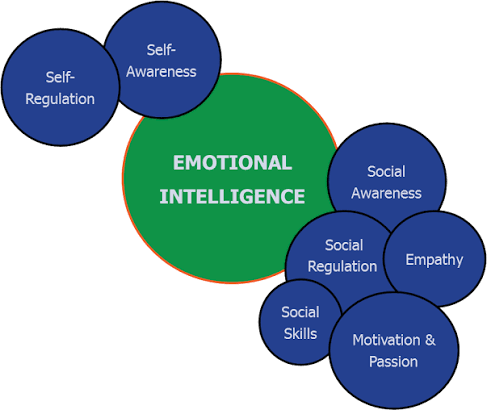
It typically breaks down into four core skills: self-awareness, self-regulation, empathy, and social skill — each of which can be deliberately practiced and improved.
Building Self-Awareness as a Leader
Self-awareness means recognizing your own emotional triggers and patterns before they influence a decision or reaction, especially under pressure.
[link to related guide on leadership styles here]
Practical ways to build this:
- Journal briefly after difficult meetings, noting your emotional reaction and why
- Ask trusted colleagues for honest feedback on how you come across under stress
- Pause before responding to frustrating situations, rather than reacting immediately
Practicing Self-Regulation Under Pressure
Leaders face pressure constantly — missed targets, difficult conversations, unexpected crises. Self-regulation is the ability to manage your emotional response so it doesn’t drive poor decisions.
- Notice physical signs of rising frustration (tense shoulders, faster speech) as early warning signals
- Take a brief pause before responding to an emotionally charged message or situation
- Reframe the situation by asking what outcome you actually want, not just what you feel like saying
- Revisit heated decisions after a cooling-off period whenever possible
Developing Genuine Empathy for Your Team
Empathy means genuinely understanding what a team member is experiencing, not just acknowledging it as a formality before moving on to your own agenda.
Quick answer: Empathy in leadership means genuinely understanding a team member’s perspective and challenges, which builds trust and leads to better, more informed management decisions.
This requires actively listening without immediately jumping to solutions or judgment — sometimes an employee simply needs to feel heard before they’re ready to problem-solve.
Reading Team Dynamics and Unspoken Signals
Emotionally intelligent leaders notice shifts in team morale or tension before they escalate into open conflict or disengagement, often through subtle, unspoken cues.
Signals worth paying attention to:
- Sudden drop in participation from a normally vocal team member
- Increased tension or short responses in team communications
- Reduced collaboration between team members who previously worked well together
Handling Conflict With Emotional Intelligence
Conflict is inevitable in any team, but emotionally intelligent leaders address it directly and constructively rather than avoiding it or letting it fester.
A practical approach to team conflict:
- Address the issue privately and promptly, not weeks later
- Focus on specific behaviors and impact, not character judgments
- Listen to all sides before forming a conclusion
- Agree on a clear resolution or next step, not just a vague truce
Giving and Receiving Feedback With Emotional Intelligence
Feedback delivered without emotional awareness often triggers defensiveness rather than genuine improvement, undermining its intended purpose.
Effective feedback typically:
- Is specific and tied to observable behavior, not vague generalizations
- Balances honest critique with genuine acknowledgment of effort or strengths
- Is delivered privately for sensitive matters, publicly only for genuine recognition
- Invites the other person’s perspective rather than being one-directional
Building Emotional Intelligence Through Consistent Practice
Emotional intelligence isn’t developed through a single workshop — it’s built through consistent, deliberate practice over months and years of real interactions.
Leaders who improve fastest typically seek regular feedback from their teams, reflect honestly on their own reactions, and treat mistakes as learning opportunities rather than failures to hide.
FAQ
Can emotional intelligence be developed, or is it a fixed trait? It can absolutely be developed through deliberate practice — self-awareness, empathy, and regulation are skills that improve with consistent effort, regardless of natural starting point.
How does emotional intelligence differ from being a “nice” leader? Emotional intelligence includes the ability to have direct, honest conversations when needed — it’s not about avoiding conflict, but handling it thoughtfully and constructively.
What’s the fastest way to start improving emotional intelligence as a leader? Start with self-awareness — simply noticing your emotional reactions in real time during meetings or difficult conversations builds the foundation for the other skills.
Does emotional intelligence matter more for certain leadership roles? It matters across all leadership roles, though it becomes especially critical in roles involving significant team management, conflict resolution, or organizational change.
How can I get honest feedback about my emotional intelligence as a leader? Ask trusted colleagues or direct reports specific questions about how you handle stress or feedback, and create a safe space for honest answers without defensiveness.
Is emotional intelligence more important than technical skill in leadership? Both matter, but as leaders take on more people-management responsibility, emotional intelligence often becomes the differentiating factor in team performance and retention.
Conclusion
Emotional intelligence in leadership isn’t a soft, optional skill — it directly shapes how well a leader handles conflict, builds trust, and makes decisions under pressure. Building it starts with honest self-awareness, followed by consistent practice in regulation, empathy, and constructive feedback. Pick one area from this guide — perhaps self-regulation under pressure or giving more specific feedback — and focus on practicing it deliberately over the next month.