You’ve got a great product, a small budget, and honestly, no clue where to spend your next rupee on marketing. Sound familiar? Most small business owners jump straight into running ads or posting on Instagram without a real plan — and end up wasting money on things that don’t work. Learning how to create a marketing plan for a small business doesn’t require an MBA or a huge budget. It just requires a clear, honest look at who your customer is and where to reach them, which is exactly what this guide will walk you through.
Why Most Small Businesses Skip Planning (And Regret It)
How to create a marketing plan for a small business starts with understanding why most owners avoid this step in the first place — usually because it feels time-consuming or overly corporate.
Quick Answer: Small businesses often skip marketing plans because they seem complicated or unnecessary for a “small” operation. But without one, most owners end up guessing which platforms or campaigns to invest in, wasting time and money on channels that don’t reach their actual customers.
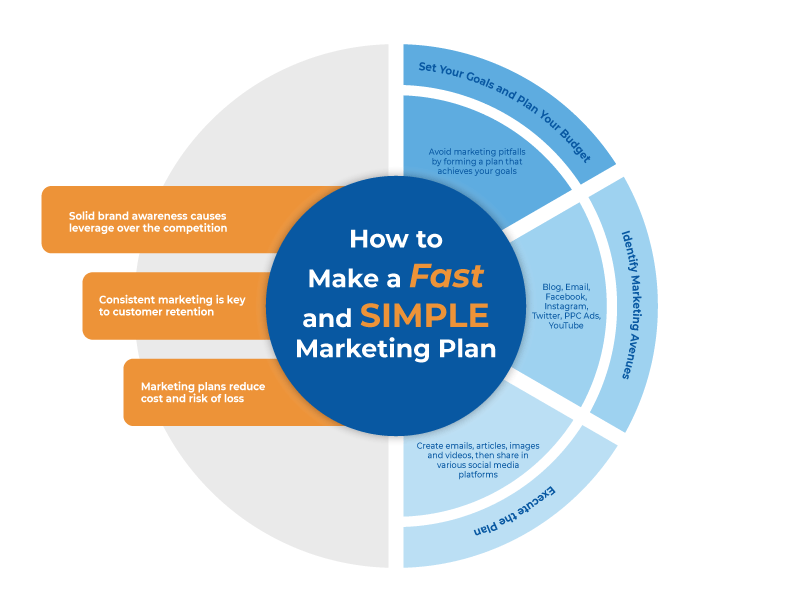
A basic plan doesn’t need to be a 40-page document. For most small businesses, a single page covering your target customer, goals, channels, and budget is genuinely enough to get started and stay focused.
Step 1: Define Your Target Customer Clearly
Before choosing any marketing channel, you need absolute clarity on who you’re selling to. “Everyone” is not a target customer — it’s a recipe for wasted ad spend.
Ask yourself:
- What age group and income level does my ideal customer fall into?
- What problem does my product/service solve for them specifically?
- Where do they spend time online — Instagram, WhatsApp groups, Google search?
- What convinces them to buy — price, quality, convenience, trust?
A boutique clothing store in Jaipur targeting college students will need a completely different plan than one targeting working professionals — even if the products look similar.
Step 2: Set Specific, Measurable Goals
Vague goals like “get more customers” don’t help you plan anything concrete. Specific goals shape your entire strategy.
Examples of measurable marketing goals:
- Get 500 new Instagram followers in 60 days
- Generate 50 qualified leads per month through Google Ads
- Increase website traffic by 30% in one quarter
- Convert 10% of email subscribers into paying customers
Each of these goals naturally points toward specific tactics — which is exactly the point.
Step 3: Choose the Right Marketing Channels
Not every business needs to be on every platform. Trying to do Instagram, Facebook, Google Ads, email, and YouTube simultaneously with a small team usually results in doing all of them poorly.
Quick Answer: Choose channels based on where your target customer actually spends time, not where every business “should” be. A B2B service business likely needs LinkedIn and Google Ads more than Instagram Reels, while a local café benefits more from Instagram and Google My Business.
Quick channel guide by business type:
- Local retail/food business: Google My Business, Instagram, local WhatsApp groups
- B2B services: LinkedIn, email marketing, Google Ads
- E-commerce products: Instagram, Facebook Ads, influencer partnerships
- Professional services (consultants, coaches): LinkedIn, content marketing, referrals
Step 4: Set a Realistic Budget
Marketing doesn’t have to mean thousands of rupees on ads immediately. Many successful small businesses start with organic content and small test budgets before scaling.
A simple starting allocation for a small business (example ₹15,000/month budget):
- ₹5,000 – Social media ads (test campaigns)
- ₹4,000 – Content creation (photos/videos/graphics)
- ₹3,000 – Google Ads (local search)
- ₹3,000 – Buffer for testing new channels
Track what’s working monthly and shift budget toward the channels delivering real results, not just impressions.
Step 5: Plan Your Content Calendar
Consistency beats intensity in marketing. Posting sporadically confuses your audience and hurts algorithm visibility on platforms like Instagram.
Basic content plan structure:
- 2-3 posts per week on your primary platform
- Mix of content types: product showcases, behind-the-scenes, customer testimonials, educational tips
- Plan content a week or two in advance instead of scrambling daily
[link to related guide about content calendar templates here]
Even a simple Google Sheet with dates and post ideas is enough to stay organized.
Step 6: Track Results and Adjust Monthly
A marketing plan isn’t a “set it and forget it” document — it needs regular review to stay effective.
Monthly review checklist:
- Which channel drove the most inquiries or sales?
- What was your cost per lead/customer on each platform?
- Which content types got the most engagement?
- What should be dropped, and what should get more budget?
Businesses that review and adjust monthly typically see significantly better ROI than those running the same campaigns blindly for months.
Frequently Asked Questions
What should a small business marketing plan include?
At minimum, it should define your target customer, specific goals, chosen marketing channels, a realistic budget, and a way to track results. It doesn’t need to be lengthy — a one-page plan is often enough to start.
How much should a small business spend on marketing?
A common guideline is 5-10% of revenue, though many small businesses start smaller and scale up as they see results. The key is starting with a testable budget rather than guessing a large amount upfront.
What is the cheapest way to market a small business?
Organic social media content, Google My Business optimization, and word-of-mouth/referral programs are among the most cost-effective options, especially for local businesses.
How often should I update my marketing plan?
A quarterly review works well for most small businesses, with monthly check-ins on performance metrics like leads and engagement to make smaller adjustments.
Do I need a website for small business marketing?
Yes, even a simple one-page website builds credibility and gives you a place to direct traffic from social media or ads, rather than relying solely on third-party platforms.
Can I create a marketing plan without any experience?
Absolutely — this guide’s step-by-step structure is designed exactly for that. Start simple, track what works, and refine your approach as you learn more about your audience.
Conclusion
A solid marketing plan for a small business doesn’t need to be complicated — it just needs to be clear, specific, and reviewed regularly. Start by defining exactly who you’re selling to, pick two or three channels where they actually spend time, and set a realistic budget you can track. The businesses that grow steadily aren’t the ones with the biggest budgets — they’re the ones who plan deliberately and adjust based on real results. Take 30 minutes this week to draft your one-page plan using the steps above, and revisit it every month.