
A car can feel dependable right up until the moment it doesn’t start, pulls strangely to one side, or leaves you waiting on the side of the road. Most vehicle problems don’t appear out of nowhere, though. They often begin with small warning signs or maintenance tasks that were postponed because everything seemed fine.
Taking care of a vehicle doesn’t always require advanced mechanical knowledge. A few practical habits, regular inspections, and a willingness to address minor issues early can protect both the car and the people inside it. From learning how to respond during an emergency to checking essential components, responsible vehicle ownership is mostly about consistency.
Why Basic Car Knowledge Matters
Drivers don’t need to become professional mechanics, but understanding a few essential systems can make everyday driving safer. Knowing how to identify a warning light, check fluid levels, inspect tires, or recognize unusual sounds helps prevent small concerns from becoming expensive repairs.
It also makes roadside situations less stressful. A driver who understands what a flat tire, weak battery, or overheating engine might indicate is more likely to respond calmly and make a sensible decision. Even when professional help is required, basic knowledge helps the driver explain the problem clearly.
Learning What to Do During a Roadside Emergency
A breakdown can happen in a familiar neighborhood or on a busy highway. The first priority should always be safety. If the vehicle is still moving, try to steer toward a safe location away from active traffic. Turn on the hazard lights, especially when visibility is poor or the vehicle is stopped unexpectedly.
Drivers should avoid standing directly beside the vehicle on a busy road. If it is safer to remain inside with the doors locked, do so while waiting for assistance. On highways, getting out of the vehicle may expose people to fast-moving traffic, so the situation should be assessed carefully.
A road side lesson can be useful for drivers who want to understand how to respond to common vehicle problems in real-world conditions. These lessons may cover emergency stops, tire issues, vehicle safety checks, and what to do while waiting for roadside assistance. The goal isn’t to encourage inexperienced drivers to attempt complicated repairs. It’s to help them make safer decisions when something goes wrong.
Tire Care Begins with the Right Pressure
Tires are among the most important safety components on any vehicle. They provide contact with the road, affect braking, influence handling, and contribute to fuel efficiency. Yet tire care is often overlooked until a warning light appears or a tire becomes visibly damaged.
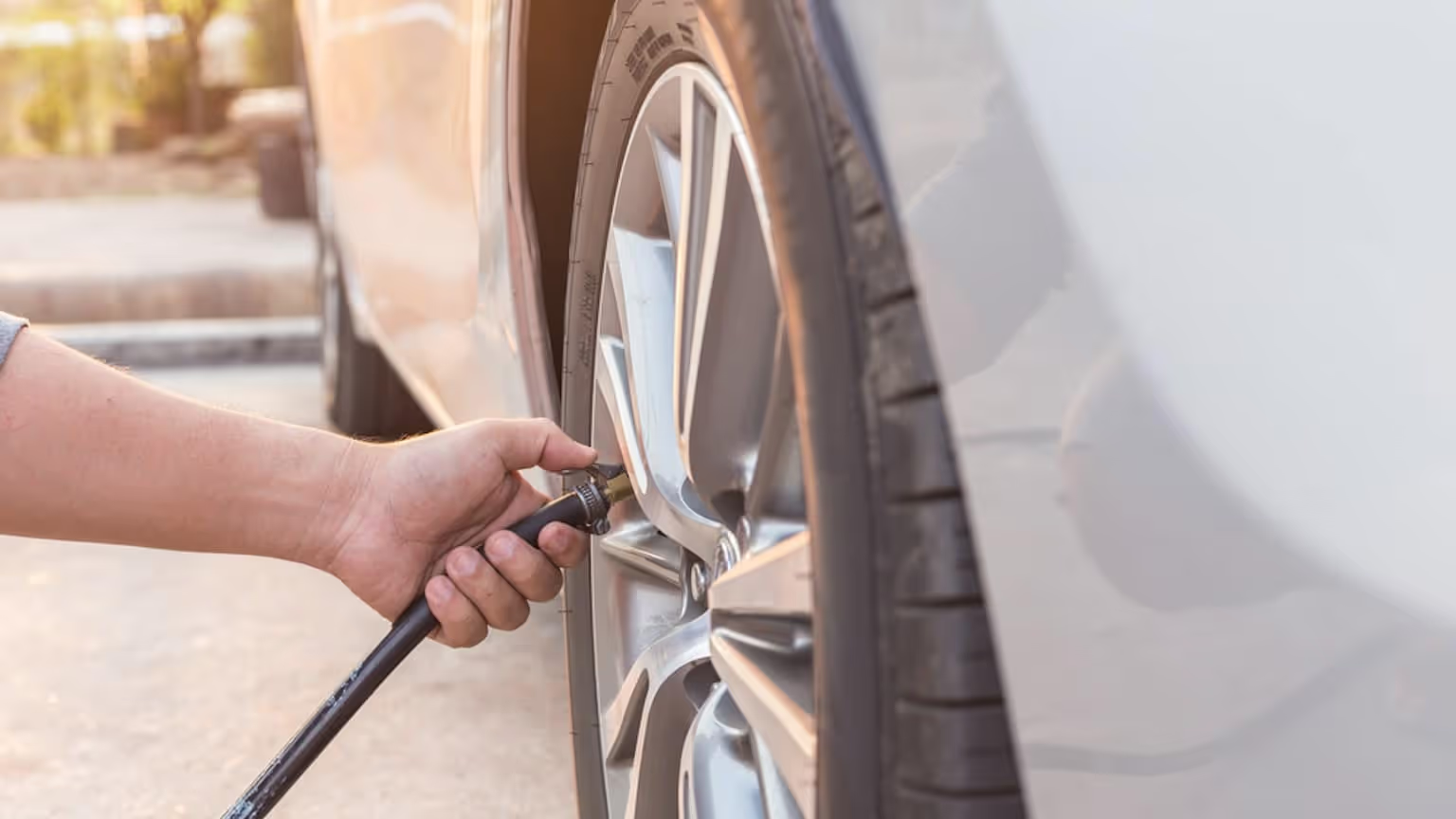
Checking tire pressures regularly is one of the simplest maintenance habits a driver can develop. The correct pressure is usually listed in the vehicle owner’s manual or on a label inside the driver’s door frame. It may not match the maximum pressure printed on the tire itself.
Tire pressure should ideally be checked when the tires are cold, because driving creates heat and temporarily changes the reading. Underinflated tires can increase rolling resistance, reduce handling stability, and cause uneven wear. Overinflated tires may reduce grip and make the ride less comfortable.
It’s also worth inspecting the tires for cracks, bulges, embedded objects, or uneven tread wear. If something looks unusual, have it checked by a qualified tire professional. A tire that appears acceptable at a glance may still have internal damage.
Understanding the Importance of Tire Rotation and Alignment
Even with proper inflation, tires can wear unevenly. Front tires often experience different forces than rear tires, particularly on vehicles where the front wheels handle steering and power delivery. Tire rotation, when recommended by the manufacturer, can help promote more even wear.
Wheel alignment is another important consideration. If the vehicle pulls to one side, the steering wheel is off-center while driving straight, or the tires wear more heavily on one edge, alignment may need to be checked. Ignoring these signs can shorten tire life and affect vehicle control.
Drivers should also remember that tread depth matters. Tires with worn tread may struggle to channel water away from the road, increasing the risk of losing traction in wet conditions. Replacing worn tires is not simply a cosmetic upgrade. It is a safety decision.
Battery Care and Warning Signs
A vehicle battery does more than start the engine. It supplies electrical power for lights, electronics, safety systems, and other components. Batteries gradually lose performance over time, and extreme temperatures can make existing weaknesses more noticeable.
Signs of a struggling battery may include slow engine cranking, dim headlights, electrical glitches, or the need for repeated jump-starts. Sometimes, a battery warning light may indicate a charging-system problem rather than a battery problem alone.
Routine battery maintenance and replacement should be handled according to the vehicle manufacturer’s recommendations and the battery’s condition. Maintenance may involve checking terminals for corrosion, ensuring connections are secure, and testing battery health when starting problems appear.
Drivers should not ignore corrosion around battery terminals or assume that a jump-start solves the underlying issue. A weak battery may fail again without warning. If replacement is necessary, the new battery should match the vehicle’s specifications, including size, capacity, and terminal configuration.
Modern vehicles may also require battery registration or electronic system resets after replacement. This is especially common in vehicles with advanced energy-management systems. A qualified technician can confirm whether such procedures are needed.
Fluids, Belts, and Warning Lights
Engine oil, coolant, brake fluid, transmission fluid, and windshield washer fluid all play different roles in vehicle operation. Not every driver needs to change fluids independently, but they should understand why fluid levels and condition matter.
Low engine oil can increase friction and cause serious engine damage. Coolant problems can lead to overheating. Low brake fluid may indicate a leak or worn components, and that should never be ignored. Drivers should use only the fluids recommended for their vehicle.
Belts and hoses also deserve attention. Cracks, fraying, swelling, or unusual squealing may indicate a developing issue. Some belt failures can leave a vehicle stranded or cause damage to other components.
Warning lights should never be treated as background decoration. Some indicate routine reminders, while others signal urgent problems. If a red warning light appears, stop safely and consult the owner’s manual or a professional as soon as possible.
Keeping an Emergency Kit in the Vehicle
A basic emergency kit can be helpful during unexpected delays. Depending on the climate and driving environment, it may include a flashlight, reflective warning triangle, first-aid supplies, drinking water, gloves, a phone charger, basic tools, and a tire pressure gauge.
Drivers should also know where the spare tire, jack, and wheel-lock key are located, if the vehicle has them. However, changing a tire beside fast-moving traffic can be dangerous. If the location is unsafe, calling roadside assistance is usually the better choice.
Maintenance Is Cheaper Than Neglect
Regular vehicle care may seem like another expense, especially when the car appears to be running normally. But preventive maintenance often costs less than emergency repairs, towing, or damage caused by neglected components.
A simple maintenance schedule can help. Record oil changes, tire inspections, battery tests, brake checks, and other recommended services. Pay attention to changes in sound, handling, starting performance, or fuel economy.
A reliable vehicle is not created by luck. It is maintained through small, repeated actions. By learning basic roadside safety, checking tire pressures, watching battery condition, and responding promptly to warning signs, drivers can reduce avoidable problems and enjoy greater confidence every time they get behind the wheel.