Introduction
When a company hits a scandal, missed earnings target, or sudden leadership exit, the root cause often traces back to one overlooked area: corporate governance. It’s easy to dismiss governance as a box-ticking exercise for large corporations, but the reality is that how a company is directed and controlled shapes everything from investor confidence to employee retention. This guide explains how corporate governance actually influences business growth, not just compliance, and what practical steps companies of any size can take to strengthen it.
What Corporate Governance Really Means in Practice
Corporate governance refers to the system of rules, practices, and processes by which a company is directed and controlled — covering everything from board structure to financial transparency and accountability.
Quick answer: Corporate governance is the framework of rules and oversight that determines how a company is run and held accountable, directly influencing investor trust and long-term stability.
It’s not just for publicly listed giants — even growing private companies benefit from clear governance as they add investors, employees, and complexity.
The Link Between Governance and Investor Confidence
Investors, particularly institutional ones, scrutinize corporate governance closely before committing capital, since weak governance signals higher risk of mismanagement or fraud.
Key governance signals investors look for:
- Clear separation between ownership and management decision-making
- Independent board members who can challenge management decisions
- Transparent, regularly audited financial reporting
- Clear conflict-of-interest policies for leadership
[link to related guide on business plans that attract investors here]
Companies with strong governance often secure funding at better terms, since investors price in lower perceived risk.
Board Structure and Its Role in Growth
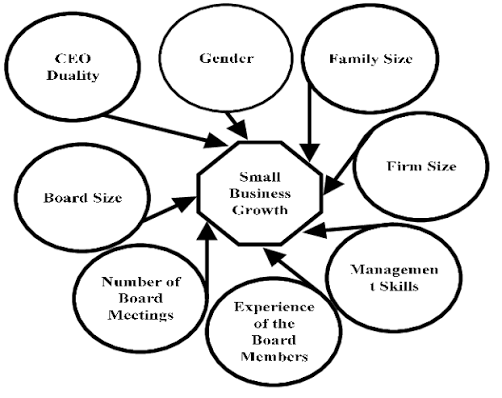
A well-structured board isn’t just a formality — it provides strategic oversight, challenges management assumptions, and brings outside expertise that founders or executives may lack.
- Include board members with complementary expertise (finance, industry, legal)
- Set clear decision-making authority between board and management
- Hold regular structured meetings with documented minutes and action items
- Rotate or refresh board composition periodically as the company evolves
Governance’s Impact on Risk Management
Strong corporate governance builds in checks that catch risks — financial, operational, or reputational — before they escalate into crises that damage growth.
Quick answer: Good corporate governance creates internal checks and oversight that catch financial or operational risks early, preventing small issues from becoming business-threatening crises.
Companies with weak oversight often discover problems — like unauthorized spending or compliance gaps — only after significant damage has already occurred.
Transparency and Its Effect on Stakeholder Trust
Transparent reporting — to investors, employees, and regulators — builds a foundation of trust that supports smoother fundraising, partnerships, and talent acquisition.
Practical transparency practices include:
- Regular, honest updates to stakeholders, including bad news, not just wins
- Clear, documented financial reporting processes
- Accessible channels for employees or partners to raise concerns
Governance’s Role in Attracting and Retaining Talent
Skilled professionals, especially at senior levels, increasingly evaluate a company’s governance practices before joining, since it signals stability and ethical operating standards.
A company with clear accountability structures and fair decision-making processes tends to retain leadership talent longer, since employees trust that decisions are made transparently rather than arbitrarily.
Common Governance Failures That Stunt Growth
Several recurring governance failures directly limit growth potential:
- Concentrated decision-making with no checks or dissenting voices
- Lack of clear financial controls, leading to mismanagement
- Ignoring compliance requirements until forced by regulators
- No clear succession planning for key leadership roles
Addressing these proactively, rather than reactively after a crisis, protects both reputation and growth trajectory.
Building Governance Practices as a Growing Company
Smaller or growing companies don’t need the full governance apparatus of a public giant, but adopting foundational practices early prevents costly restructuring later.
Practical starting steps:
- Formalize a basic board or advisory structure, even informally at first
- Separate personal and business finances completely
- Document key policies (conflict of interest, spending authority) even if simple
- Bring in outside expertise or advisors as complexity grows
FAQ
Does corporate governance only matter for large public companies? No, even small and growing private companies benefit from basic governance practices, especially once they take on investors or scale past a small founding team.
How does poor governance affect a company’s valuation? Investors typically apply a risk discount to companies with weak governance, since it signals higher chances of mismanagement or unexpected liabilities.
What’s the difference between corporate governance and company culture? Governance refers to formal structures and accountability systems, while culture reflects the informal values and behaviors within a company — though strong governance often reinforces good culture.
Can a startup have effective governance without a formal board? Yes, even an informal advisory group with clear decision-making guidelines can provide meaningful oversight before a company is ready for a formal board structure.
How often should governance practices be reviewed? Most companies benefit from reviewing governance structures annually, or whenever there’s a significant change like new investors, leadership changes, or rapid growth.
Does strong governance slow down decision-making? Well-designed governance actually speeds up good decisions by providing clear authority and processes, while primarily slowing down decisions that genuinely need more scrutiny.
Conclusion
Corporate governance isn’t just a compliance checkbox — it’s a direct driver of investor trust, risk management, and talent retention, all of which shape long-term business growth. Companies that build clear, transparent governance practices early tend to scale more smoothly and attract better funding terms than those that treat governance as an afterthought. Review your company’s current decision-making structure this week, and identify at least one gap — like unclear financial authority or missing documentation — worth fixing before it becomes a bigger problem.