With so many freelancing platforms out there, picking the right one as a beginner can feel overwhelming — do you go with the popular giant everyone talks about, or a smaller platform where competition might be lower? Choosing from the best freelancing websites for beginners isn’t about picking the “best” platform overall — it’s about finding the one that matches your skill, budget expectations, and comfort level as someone just starting out. This guide breaks down the top options and exactly who each one suits best.
What Makes a Platform “Beginner-Friendly”?
Before diving into specific platforms, it helps to understand what actually makes a site good for beginners versus experienced freelancers.
Quick Answer: Beginner-friendly freelancing platforms typically have lower barriers to entry, allow gig-based or fixed-price listings (rather than requiring extensive bidding), and have algorithms that give newer profiles fair visibility rather than favoring only established freelancers.
Look for platforms with straightforward onboarding, reasonable competition levels, and a structure that doesn’t require you to win against hundreds of experienced freelancers for every single project.
Fiverr: Best for Service-Based Beginners
Fiverr’s gig-based model — where you create specific service listings rather than bidding on jobs — makes it particularly accessible for beginners.
Why it works for beginners:
- You create the offer, clients come to you instead of you competing in bids
- Clear, specific gig titles help you stand out in a niche
- Buyer requests feature lets you actively pitch for relevant projects
Best for: Graphic design, writing, voiceover work, video editing, and other clearly deliverable services.
Tip: Create 3-4 specific gig variations (e.g., “I will write SEO blog posts” and “I will write product descriptions”) rather than one broad, generic listing.
Upwork: Best for Long-Term Client Relationships
Upwork tends to attract more serious, higher-budget clients, though competition for beginners can be steeper due to bidding against experienced freelancers.
Quick Answer: Upwork works well for beginners who are patient and strategic, focusing on smaller, less competitive job categories initially to build reviews before competing for larger, more competitive projects.
Tips for beginners on Upwork:
- Start with smaller, lower-competition job postings to build initial reviews
- Write highly personalized proposals rather than generic templates
- Use free connects wisely — quality pitches matter more than quantity
Best for: Writing, virtual assistance, web development, and ongoing project-based work.
Freelancer.com: Good for a Wide Variety of Skills
This platform supports a huge range of categories, from writing to programming to data entry, making it a flexible starting point for many beginners.
- Contests feature allows beginners to showcase skills without upfront bidding competition
- Wide variety of project types means more opportunities to find your niche
- Slightly older platform interface, but consistently active client base
Best for: Beginners still exploring which specific freelance niche suits them best.
LinkedIn: Best for Building Professional Credibility
While not a traditional freelancing marketplace, LinkedIn has become increasingly powerful for beginners to find clients directly, especially for B2B services.
- Optimize your profile specifically around your freelance service, not just as a “job seeker”
- Share sample work and insights related to your niche consistently
- Directly message potential clients or business owners with a specific, relevant pitch
[link to related guide about how to start freelancing in india here]
Best for: Consultants, writers, marketers, and designers targeting business clients specifically, rather than individual consumers.
Truelancer and WorkNHire: India-Focused Platforms
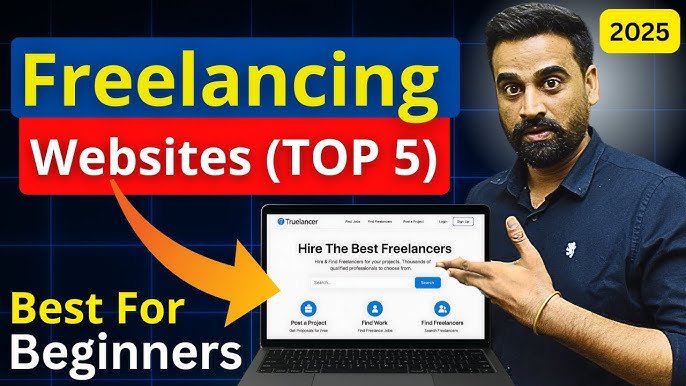
These India-specific platforms often have lower competition compared to global giants like Upwork, making them worth exploring for beginners targeting Indian clients specifically.
- Generally lower fees compared to international platforms
- Clients often more familiar with Indian pricing expectations
- Smaller talent pool means less competition for visibility
Best for: Beginners preferring to work with Indian clients and INR-based pricing initially.
Contra: Best for a Portfolio-First Approach
Contra is a newer platform that emphasizes portfolio and work samples over bidding, appealing especially to creative freelancers.
- No platform fees on transactions, unlike most competitors
- Strong visual portfolio display, ideal for designers and content creators
- Growing user base means less saturated competition currently
Best for: Designers, writers, and creators who want their actual work to speak for itself rather than competing purely on price.
How to Choose the Right Platform for You
Quick Answer: Choose a freelancing platform based on your specific skill type and comfort with competition — service-based gig platforms like Fiverr suit beginners wanting inbound inquiries, while proposal-based platforms like Upwork suit those comfortable actively pitching for projects.
Quick decision guide:
- Want clients to come to you? → Fiverr
- Comfortable actively pitching and building long-term relationships? → Upwork
- Prefer targeting Indian clients specifically? → Truelancer, WorkNHire
- Focused on B2B or consulting services? → LinkedIn
- Want a portfolio-first, low-fee approach? → Contra
Many freelancers eventually use 2-3 platforms simultaneously once they understand which delivers the best return for their specific skill and niche.
Frequently Asked Questions
Which freelancing website is best for complete beginners in India?
Fiverr is often recommended first due to its beginner-friendly, gig-based structure that doesn’t require competing directly in bidding wars against experienced freelancers.
Are freelancing websites free to join?
Most platforms are free to create a profile, though they typically charge a commission (10-20%) on completed projects rather than upfront fees.
Which platform has the least competition for beginners?
India-focused platforms like Truelancer and newer platforms like Contra generally have less competition compared to saturated global platforms like Upwork.
Can I use multiple freelancing websites at once?
Yes, and many successful freelancers do exactly this once established, though beginners often benefit from focusing deeply on one platform first to build initial momentum and reviews.
How do I avoid freelance scams on these platforms?
Stick to established platforms with built-in payment protection, avoid clients asking you to communicate or pay entirely outside the platform, and be cautious of unusually high-paying offers with vague project details.
Do these platforms take a commission from freelancers?
Yes, most charge a percentage commission per project, ranging typically from 5-20% depending on the platform and your membership tier.
Conclusion
Choosing the right freelancing platform as a beginner comes down to matching your specific skill and personality to the platform’s structure — whether that’s Fiverr’s inbound gig model or Upwork’s proposal-based approach. Start with just one platform from this guide rather than spreading yourself across all of them at once, build a handful of strong reviews, and expand once you’ve found your footing. The freelancers who grow fastest usually aren’t chasing every platform simultaneously — they’re mastering one before adding the next. Pick your platform today and set up your first complete profile.