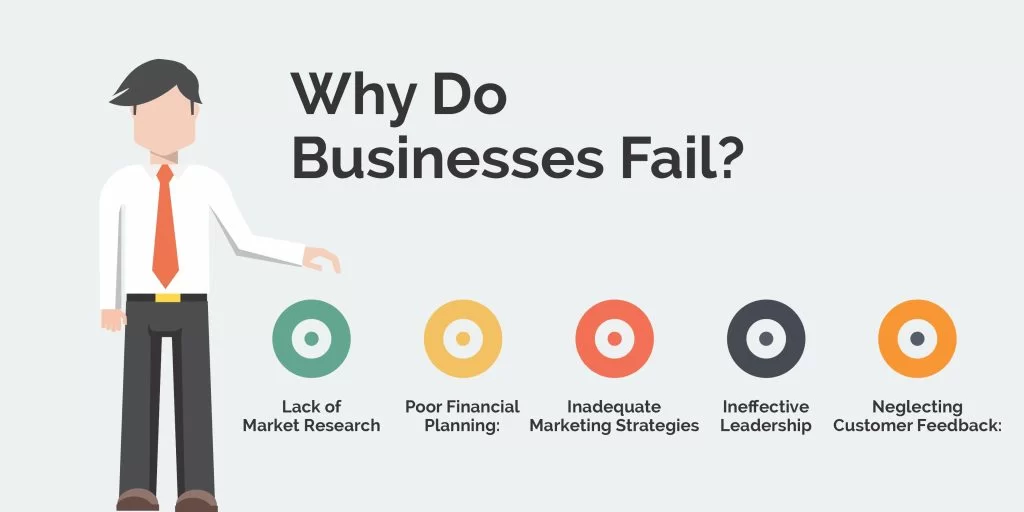
The first year of running a business is equal parts exciting and terrifying — every decision feels high-stakes, and it’s easy to make mistakes you simply didn’t see coming. The good news is that most small business mistakes to avoid in year one are actually predictable and well-documented, meaning you can sidestep them entirely just by knowing what to watch for. This guide covers the ten most common missteps new business owners make, along with practical ways to avoid each one.
Why the First Year Is So Critical
Small business mistakes to avoid matter disproportionately in year one because early missteps often compound — a cash flow error in month 2 can snowball into a much bigger crisis by month 8 if not caught early.
Quick Answer: The first year is critical because new businesses have limited financial cushion and no established track record to fall back on. Small mistakes in pricing, cash flow, or hiring can have outsized consequences before a business has built enough stability to absorb them.
Understanding these common patterns in advance gives you a real advantage over business owners who learn everything the hard way.
Mistake 1: Underestimating Startup Costs
Many new business owners budget only for obvious expenses (rent, inventory) while forgetting less visible costs like licenses, software subscriptions, and unexpected repairs.
How to avoid it: Add a 20-30% buffer to your initial cost estimates, and track actual expenses closely against your budget for the first few months to catch surprises early.
Mistake 2: Pricing Products Too Low
New business owners often underprice out of fear that “no one will buy” at a fair price, not realizing this makes the business unsustainable long-term and signals lower quality to customers.
How to avoid it: Calculate your true costs (including your own time) before setting prices, and research competitor pricing rather than guessing based on what feels comfortable.
Mistake 3: Ignoring Cash Flow (Focusing Only on Profit)
A business can be “profitable on paper” but still run out of cash if customers pay late or expenses come due before revenue arrives — this catches many first-year owners off guard.
Quick Answer: Profit and cash flow are different things — profit is revenue minus expenses on paper, while cash flow is the actual timing of money coming in and going out. A profitable business can still fail if it runs out of cash to cover immediate expenses.
How to avoid it: Maintain a simple weekly cash flow tracker, and keep at least 2-3 months of operating expenses as a buffer wherever possible.
Mistake 4: Trying to Do Everything Alone
Many first-year owners try to handle accounting, marketing, sales, and operations single-handedly to save money — often leading to burnout and mistakes in areas outside their expertise.
How to avoid it: Identify which tasks genuinely require your specific expertise, and outsource or delegate the rest — even hiring a part-time accountant early on often prevents costly financial errors.
Mistake 5: Skipping Proper Business Registration and Compliance
Some new owners delay formal registration, GST compliance, or licensing to “save time,” which often creates bigger legal and financial headaches later.
How to avoid it: Complete all necessary registrations (business structure, GST if applicable, relevant licenses) before actively operating, even if it feels like an unnecessary early expense.
Mistake 6: Not Defining a Clear Target Customer
Trying to appeal to “everyone” often means resonating with no one — generic marketing and product decisions rarely convert as well as those built around a specific customer profile.
How to avoid it: Spend real time defining exactly who your ideal customer is — their age, needs, budget, and buying behavior — before making major marketing or product decisions.
[link to related guide about how to create a marketing plan for small business here]
Mistake 7: Neglecting Digital Presence
Even local, offline-focused businesses lose potential customers by not having at least a basic online presence — many customers research businesses online before ever visiting in person.
How to avoid it: Set up a free Google My Business listing and basic social media presence at minimum, even if a full website comes later.
Mistake 8: Poor Record-Keeping From Day One
Disorganized financial records make it nearly impossible to understand your actual business performance, and create major headaches during tax season or when applying for loans later.
How to avoid it: Use simple accounting software (even a well-organized spreadsheet) from your very first transaction, rather than trying to reconstruct records months later.
Mistake 9: Scaling Too Fast, Too Soon
Early success can tempt owners to expand rapidly — more inventory, more staff, a bigger space — before the business model is truly proven stable.
How to avoid it: Validate consistent profitability and demand over several months before making major scaling investments, and grow incrementally rather than all at once.
Mistake 10: Not Asking for Help or Feedback
Many first-time owners try to figure everything out alone, missing valuable insights that mentors, industry peers, or even customers could easily provide.
How to avoid it: Actively seek feedback from customers, join local business communities or industry groups, and consider finding a mentor with relevant experience.
Frequently Asked Questions
What is the most common reason small businesses fail in the first year?
Cash flow problems are consistently cited as one of the leading causes — even profitable businesses can fail if they run out of cash to cover immediate expenses like rent or payroll.
How can I avoid running out of money in my first year of business?
Maintain a cash flow buffer of 2-3 months of expenses, track spending weekly rather than monthly, and avoid overestimating how quickly revenue will come in.
Should I hire employees in my first year of business?
This depends on workload and cash flow — many successful businesses start with freelancers or part-time help before committing to full-time employees, reducing financial risk early on.
How important is a business plan for a small business?
Very important, even if informal — a basic plan covering target customers, pricing, and cash flow projections helps avoid several of the mistakes covered in this guide.
What percentage of small businesses fail in the first year?
Estimates vary, but a significant percentage of small businesses face serious challenges within the first year, often due to preventable issues like cash flow mismanagement or unclear target markets.
Is it normal to make mistakes in your first year of business?
Yes, completely normal — the goal isn’t avoiding all mistakes, but avoiding the predictable, well-documented ones that can seriously damage a business’s stability early on.
Conclusion
Every business owner makes some mistakes in their first year — that’s simply part of the learning process. But the ten mistakes covered here are largely avoidable once you know what to watch for, from cash flow management to realistic pricing and proper compliance. Review this list against your current business practices this week, and identify the one or two areas where you’re most at risk right now. The businesses that survive and thrive past year one aren’t the ones that avoided every single misstep — they’re the ones that caught and corrected the big ones early.